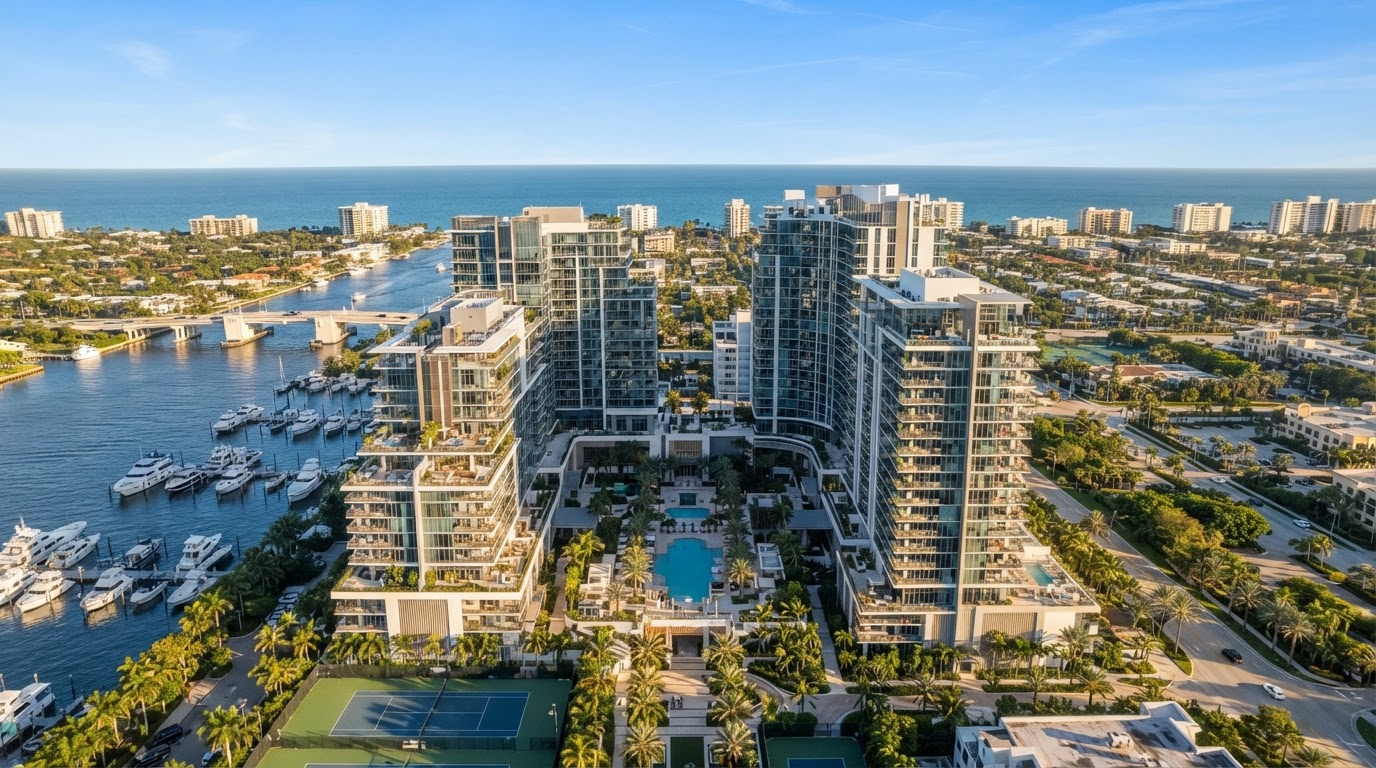
Cardone Capital founder Grant Cardone is leveraging a commercial real estate reset driven by 6.4% interest rates to accumulate Bitcoin, pursuing a dual-asset strategy aimed at holding 25,000 apartments and 25,000 BTC. Speaking on Bitcoin Magazine, Cardone detailed how buying properties below replacement value provides a cash-flowing base to fund treasury reserves of BTC.
Key Takeaways:
- Cardone Capital is scaling its balance sheet reserves from 3,000 BTC toward a target of 25,000 BTC alongside 25,000 apartments.
- High interest rates near 6.4% are driving property valuations below replacement costs, enabling acquisitions such as a $335 million deal in Boca Raton.
- Cardone considers commercial real estate a "Trojan horse" to onboard capital into digital asset reserves.
Commercial Real Estate Reset and Treasury Strategy
Cardone explained that elevated borrowing costs near 6.4% have caused a historic reset across commercial real estate, creating opportunities to buy distressed assets at steep discounts. While single-family residential prices remain firm, commercial operators facing debt renewals are forced to sell properties below replacement costs.
Cardone Capital integrates Bitcoin into its treasury to capitalize on this valuation gap. Featured in key operations such as a $335 million property transaction in Boca Raton, the firm uses income generated from apartment units to fund recurring BTC purchases. Cardone described real estate as a "Trojan horse" that allows real-world asset investors to gain exposure to digital currencies while maintaining real property cash flows.
Institutional Real Estate Moats and Corporate Bitcoin Models
According to Cardone, traditional Real Estate Investment Trusts (REITs) face structural constraints that prevent them from holding digital assets directly, creating a competitive moat for flexible private funds. This multi-asset model aligns with broader corporate treasury strategies, such as Michael Saylor's proposed US bank Bitcoin custody framework.
While some institutional players have exited crypto holdings—such as when Sequans Communications liquidated its final 34 BTC—Cardone Capital intends to expand its holdings significantly from its current base of 3,000 BTC to 25,000 BTC.
Why It Matters
Combining physical real estate cash flows with Bitcoin treasury reserves represents an emerging hybrid model for private capital funds attempting to hedge fiat inflation while exploiting commercial property distress. If Cardone's strategy yields superior risk-adjusted returns, it could encourage other private fund managers to incorporate digital asset allocations into property acquisitions. Market participants will be watching whether continued high borrowing costs accelerate commercial property distress and corporate balance sheet diversification through 2025.