U.S.-Iran Hostilities Push Bitcoin Lower Despite ETF Demand on July 13, 2026
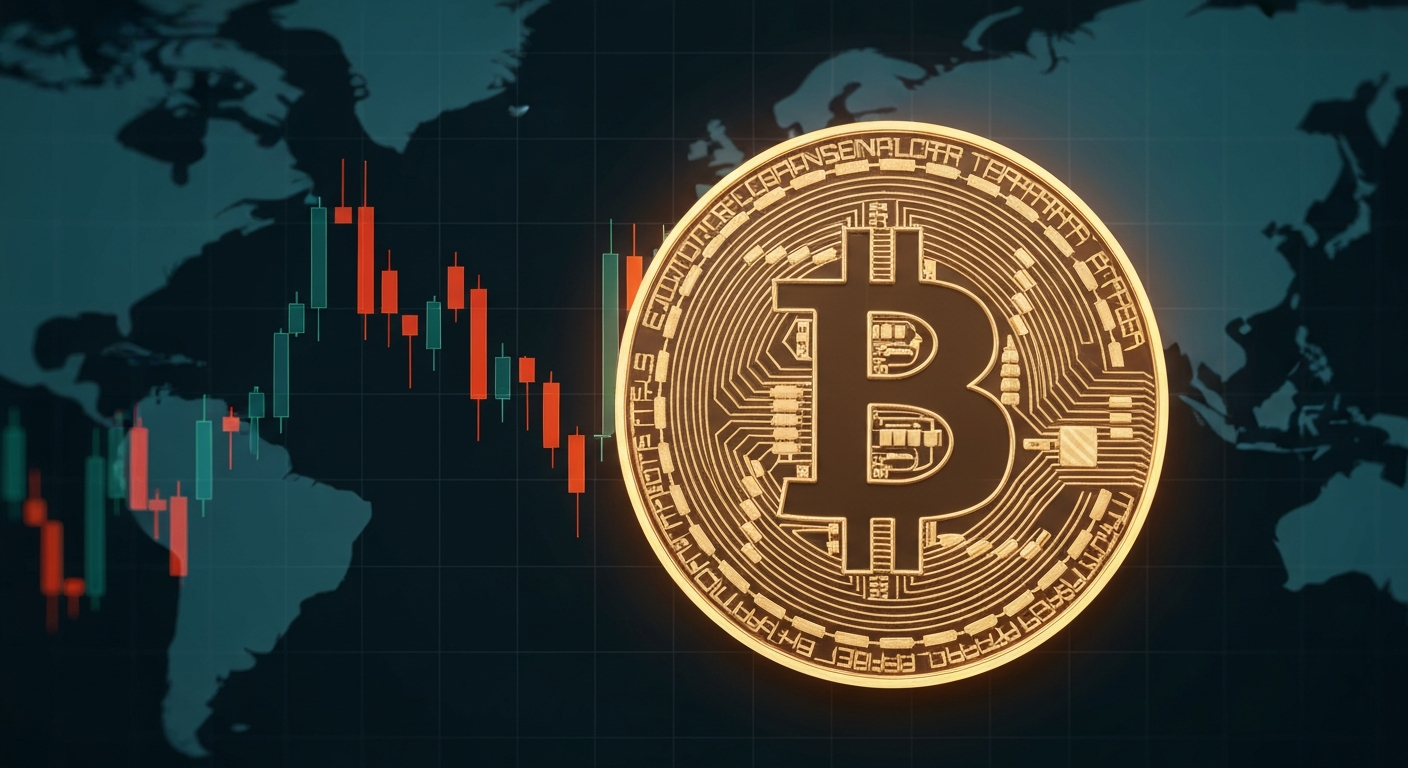
Renewed U.S.-Iran hostilities sent Bitcoin's price lower on July 13, 2026, even as Bitcoin ETF flows continued to show demand.

Renewed U.S.-Iran hostilities sent Bitcoin's price lower on July 13, 2026, even as Bitcoin ETF flows continued to show demand.

Bitcoin held near $63,800 despite traditional markets' sharp reaction to the fourth round of U.S. strikes on Iran.

Bitcoin and Ether prices remained largely stable despite the U.S. launching its third strike on Iran this week and reports of the Strait of Hormuz closure.

Bitcoin's price surpassed **$63,000** after former US President **Donald Trump** commented that **Iran** "wants to make a deal."

Bitcoin surged 1.2% to $63,000, with Nasdaq futures also up 2.6%, demonstrating market resilience despite recent U.S. airstrikes on Iran.

Bitcoin is trading near $62,000 as escalating geopolitical tensions in Iran, surging oil prices, and anticipation of a Federal Reserve policy update prompt risk-off sentiment.

Bitcoin is under pressure, approaching the **$61,000** level, as the breakdown of the **US-Iran ceasefire** pushes oil prices higher amid **Hormuz blockade** threats.

Bitcoin and altcoins tumbled after former President Trump declared the ceasefire with Iran 'over' amidst reports of U.S. and Iran trading airstrikes.

Major cryptocurrencies, including Bitcoin, are trading in the red as renewed U.S.-Iran airstrikes push oil prices higher.

Blockchain analytics firm TRM Labs claims CoinEx facilitated over £3.8 billion in transactions with sanctioned Iranian crypto entities, a claim CoinEx disputes.

Bitcoin recovered towards $64,000 over the weekend, even as Iran's order to close the Strait of Hormuz revived geopolitical risks.

Cryptocurrency markets are experiencing heightened volatility as investors react to new signals from Fed Chair Kevin Warsh and geopolitical developments concerning Iran.

Bitcoin's price stability remains precarious, with analysts highlighting a fragile US-Iran peace deal as a key factor influencing its future volatility.

A newly announced peace deal between the US and Iran has positively impacted traditional markets, yet cryptocurrency traders show a notable degree of skepticism.

Bitcoin's price trajectory is drawing attention this week, with analysts pointing to a potential rebound towards the **$69,000** mark.

Bitcoin's value surged towards $66,000 following former President Donald Trump's announcement of a potential peace deal between the US and Iran.

Bitcoin surged towards the $66,000 mark following former President Trump's announcement of a peace deal between the US and Iran.

Bitcoin's price continues to react sharply to US-Iran tensions, with recent gains erased by new strikes and warnings of further military action adding to market uncertainty.

Bitcoin reached a two-week high, climbing above $65,500, following a peace agreement between the US and Iran that eased geopolitical tensions and boosted risk assets.

Geopolitical developments, specifically a potential Iran peace deal, could usher in a new wave of liquidity for risk-on assets like cryptocurrencies.

An Iran-linked hacking collective claims to have accessed sensitive FBI drone footage and issued a direct threat to World Cup teams.

Bitcoin and the broader cryptocurrency market saw a positive shift, recovering from a volatile week as geopolitical tensions in the Middle East appeared to ease.

A novel theory circulating on social media suggests that recent Bitcoin price instability, including its re-testing of February lows, could be linked to Iranian sanctions rather than typical institutional selling.

The US Treasury Department has sanctioned four Iranian crypto exchanges, intensifying its efforts to combat illicit finance after recent seizures of nearly $1 billion in digital assets.

The US Treasury has imposed sanctions on several Iranian cryptocurrency exchanges, including Nobitex, citing their role in facilitating illicit financial operations and terrorist financing.

The U.S. Treasury has blacklisted four Iranian cryptocurrency exchanges, including Nobitex, and several executives, citing links to terror financing and other illicit activities.
U.S. Treasury sanctions Iran's largest crypto exchange, Nobitex, and its executives, escalating efforts against alleged illicit financial activities and sanctions evasion.

Bitcoin's price experienced a downturn, falling below $72,000, amid escalating geopolitical tensions involving Iran and a statement from former President Trump.

US Treasury Secretary Scott Bessent announced the seizure of approximately $1 billion in cryptocurrency assets linked to Iran, underscoring efforts against illicit digital finance.
The U.S. Treasury has revealed it seized almost $1 billion in cryptocurrency tied to Iran, intensifying economic pressure amid ongoing geopolitical tensions.