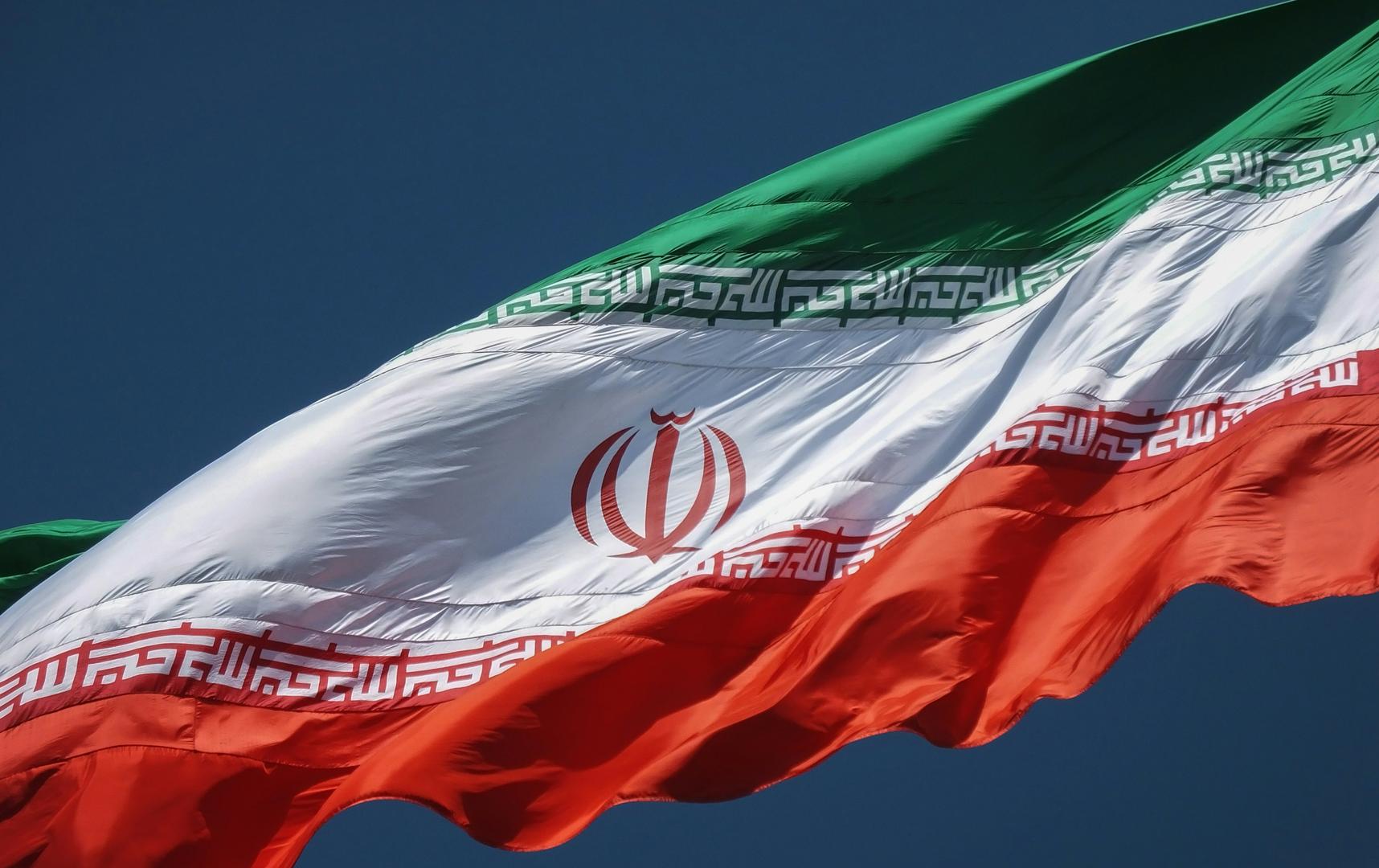
The U.S. government has escalated its crackdown on illicit financial activities within the cryptocurrency sector, specifically targeting entities in Iran. The Office of Foreign Assets Control (OFAC), a division of the U.S. Department of the Treasury, recently announced sanctions against four Iranian cryptocurrency exchanges and a number of their executives.
This decisive action underscores the ongoing efforts by global regulators to monitor and control the use of digital assets for purposes deemed harmful to international security. The exchanges, including prominent platform Nobitex, are accused of facilitating transactions linked to terrorist organizations and engaging in other serious financial crimes, thereby undermining international sanctions regimes.
Intensified Regulatory Scrutiny
OFAC's latest move highlights a persistent concern among U.S. authorities regarding the potential for digital currencies to be exploited by hostile state actors and criminal networks. By blacklisting these entities, the U.S. aims to sever their access to the global financial system and prevent the movement of funds that could support illicit operations. This action sends a clear message that involvement in such activities, even through decentralized platforms, carries significant consequences.
The sanctioned individuals and exchanges are now prohibited from engaging in transactions with U.S. persons, and any assets they hold under U.S. jurisdiction are frozen. This type of regulatory intervention is becoming increasingly common as governments worldwide grapple with the complexities of digital asset supervision. For instance, discussions around broader frameworks like those concerning global stablecoin regulation demonstrate a widespread push for more oversight.
Implications for Iran's Crypto Landscape
These sanctions will undoubtedly have a profound impact on Iran's cryptocurrency ecosystem. Exchanges like Nobitex have served as vital gateways for Iranians to access digital assets, often used to circumvent economic sanctions imposed by the U.S. and its allies. By targeting these platforms, the U.S. aims to limit Iran's ability to leverage cryptocurrencies for international trade or to fund proxy groups.
Such measures could lead to increased operational difficulties for other Iranian crypto businesses, potentially pushing transactions further underground or into less regulated channels. It also places greater pressure on international crypto service providers to enhance their compliance protocols to avoid inadvertently facilitating sanctioned activities. The U.S. government has consistently expressed concerns over the use of crypto in various illicit contexts, from money laundering to cybercrime, driving a broader regulatory agenda that sometimes includes debates on topics such as the inclusion of crypto in 401(k) retirement plans.
Key Takeaways from the Sanctions:
- Four Iranian crypto exchanges, including Nobitex, were blacklisted.
- Several executives linked to these exchanges were also sanctioned.
- Reasons cited include terror financing and other financial crimes.
- The action aims to disrupt Iran's access to global financial systems via crypto.
- It signals continued U.S. government vigilance over illicit crypto use.
This action is part of a larger, ongoing strategy by the U.S. Treasury to combat financial crime and terrorism globally, adapting its tools to address the evolving landscape of digital finance. It reinforces the notion that while cryptocurrencies offer innovation, they also present new challenges for law enforcement and national security agencies seeking to maintain financial integrity.