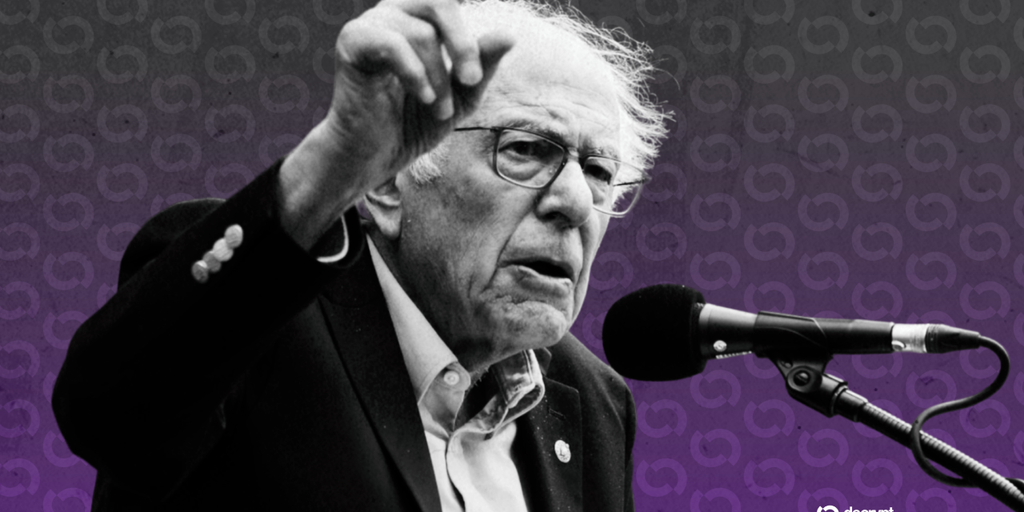
Senators Bernie Sanders and Elizabeth Warren are strongly urging the U.S. Department of Labor to rethink its policy regarding the inclusion of cryptocurrencies and other high-risk investments in 401(k) retirement plans. The two prominent lawmakers express significant apprehension that such offerings could jeopardize the financial security of American retirees.
Call to Protect Retirement Savings
In a joint letter addressed to the Labor Department, the senators emphasized their concerns about allowing plan fiduciaries to provide exposure to volatile assets like cryptocurrencies and private equity. They argue that these investments, known for their considerable price fluctuations and speculative nature, are ill-suited for the long-term, stable growth typically expected from retirement funds. The core of their argument rests on the principle of fiduciary duty, which mandates that those managing retirement accounts act solely in the best interests of plan participants and beneficiaries. Introducing speculative assets, they contend, could be seen as a breach of this fundamental responsibility, potentially exposing workers to undue risk just as they approach retirement.
The letter highlights the inherent volatility and lack of robust regulatory frameworks surrounding many digital assets. They point out that the nascent and often unpredictable nature of the crypto market makes it an unsuitable vehicle for the conservative investment strategies crucial for retirement planning. This cautious stance contrasts with some traditional financial institutions that are exploring ways to integrate digital assets, as seen with Charles Schwab targeting mid-2027 for advisor spot crypto services.
Political and Economic Ramifications
Beyond the direct financial risks to retirees, the senators also touched upon broader political and economic implications. They asserted that allowing such investments in 401(k) plans could disproportionately benefit specific individuals, including former President Donald Trump. This claim frames the debate not just as a financial prudence issue but also as one with potential political favoritism. The senators suggest that policies favoring high-risk investments could create avenues for personal gain rather than widespread benefit for the average American worker saving for retirement.
Key Takeaways from Senators' Stance:
- High-risk assets like crypto are inappropriate for 401(k) plans.
- Concerns about fiduciary duty and protecting retirees' savings.
- Highlighting the volatility and regulatory gaps in the crypto market.
- Allegations of potential personal benefit for political figures.
The Department of Labor's Role
The Department of Labor has previously issued guidance cautioning against including cryptocurrencies in 401(k) plans, citing similar concerns about volatility and investor protection. However, the senators' letter pushes for a stronger, more definitive stance, perhaps even a ban, rather than just cautionary advice. This ongoing discussion underscores the challenges regulators face in adapting existing financial frameworks to rapidly evolving digital asset markets. The growing focus on digital asset regulation, as evidenced by initiatives like the NYDFS and EBA forming an alliance for global stablecoin regulation, indicates a broader trend toward increased scrutiny in the crypto space. The outcome of this appeal could significantly impact how digital assets are perceived and integrated into mainstream financial products in the United States.