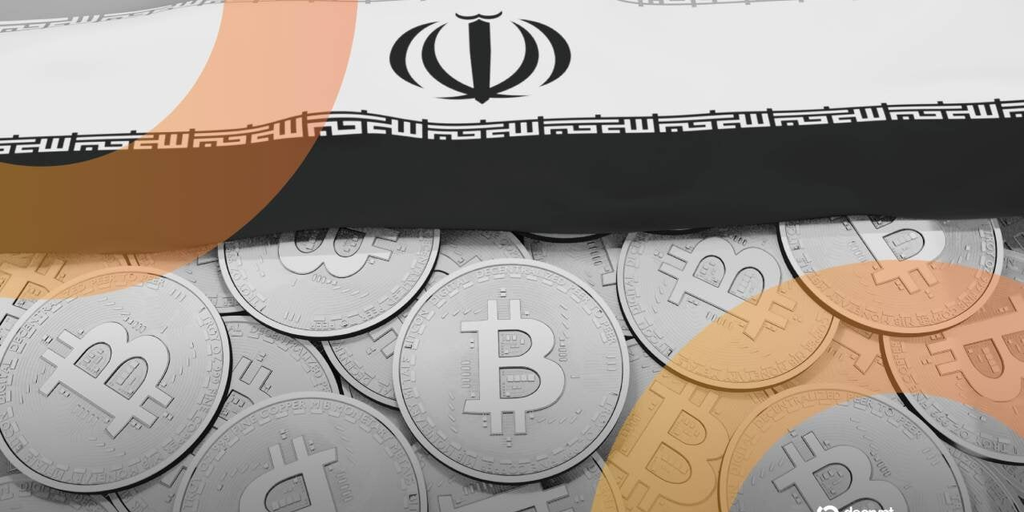
The United States Treasury Department has announced sanctions against multiple cryptocurrency exchanges operating in Iran, including the prominent platform Nobitex. These measures target entities accused of enabling illicit financial activities, specifically terrorist financing, within Iran's digital asset ecosystem.
This action, spearheaded by the Treasury's Office of Foreign Assets Control (OFAC), underscores the US government's ongoing commitment to combating the use of digital currencies for illegal purposes. The sanctions aim to disrupt financial flows that could support destabilizing regional activities or evade international restrictions.
Targeting Illicit Financial Networks
OFAC identified these Iranian crypto exchanges as critical components in a network that allows for the movement of funds outside of traditional financial systems, thereby circumventing sanctions. Nobitex, reportedly one of the largest cryptocurrency exchanges in Iran, was explicitly named for its alleged involvement in these operations. The Treasury Department asserts that such platforms provide avenues for entities to convert local currency into digital assets, which can then be transferred globally with reduced oversight.
The broader implication is that these exchanges were facilitating transactions that ultimately supported groups or activities deemed a threat to international security. By cutting off access to these digital financial services, the US Treasury seeks to limit Iran's capacity to fund such endeavors and maintain its financial stability under sanctions.
OFAC's Broader Mandate and Enforcement
This move by the US Treasury is consistent with its broader strategy to address risks associated with digital assets. OFAC's mandate involves preventing sanctioned individuals and entities from exploiting the global financial system, including emerging technologies like cryptocurrencies. The department has a history of targeting crypto entities linked to illicit finance, signaling a robust stance on compliance within the digital asset space.
Previous actions have seen the Treasury sanction other crypto platforms and addresses involved in ransomware attacks, cybercrime, and state-sponsored illicit activities. For instance, the U.S. Treasury Imposes Sanctions on Iran's Largest Crypto Exchange, Nobitex, and Key Executives in a related past event, demonstrating a persistent focus on this region. This latest action further solidifies the US government's position that all financial institutions, regardless of their technological basis, must adhere to anti-money laundering (AML) and counter-terrorist financing (CTF) regulations. The SEC has also unveiled a five-year strategy prioritizing digital assets and clearer crypto rules, indicating a concerted effort across US regulatory bodies.
Key Takeaways from the Sanctions:
- The US Treasury sanctioned Iranian crypto exchanges, including Nobitex.
- The primary reason cited is the facilitation of illicit financial activities and terrorist financing.
- This action is part of OFAC's ongoing efforts to combat sanctions evasion.
- It highlights the growing scrutiny on crypto compliance and AML/CTF measures globally.
Implications for the Crypto Landscape
The sanctions send a clear message to cryptocurrency platforms worldwide: compliance with international financial regulations is paramount. Exchanges are expected to implement robust Know Your Customer (KYC) and Anti-Money Laundering (AML) procedures to prevent their services from being exploited by malicious actors. Failure to do so can result in significant penalties and reputational damage.
For the broader cryptocurrency market, such actions reinforce the narrative that regulatory oversight is an undeniable and growing force. While the industry often champions decentralization and permissionless innovation, governments are increasingly asserting their authority to ensure digital assets do not become tools for criminal enterprise. This ongoing tension between innovation and regulation will continue to shape the future of the global crypto landscape.