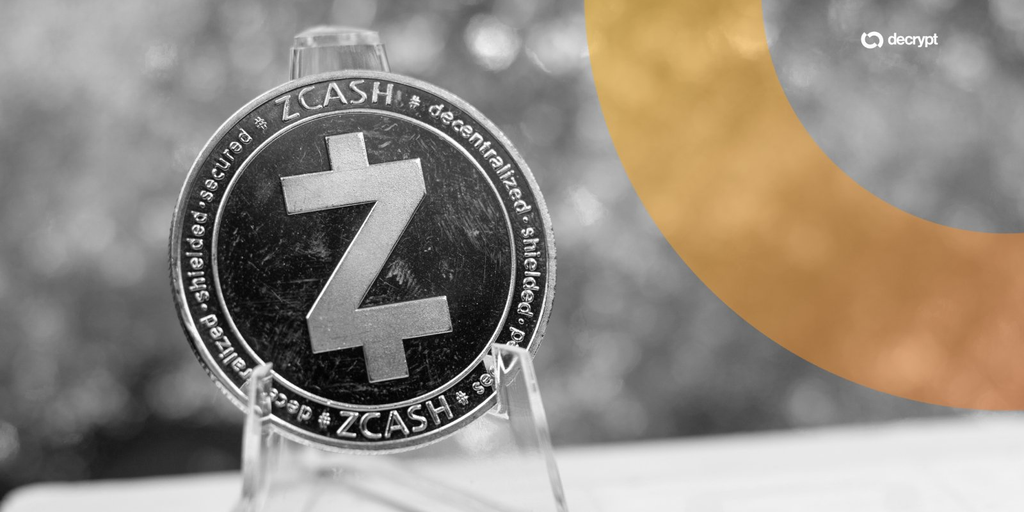
A significant security vulnerability has been uncovered in the privacy-focused cryptocurrency Zcash, a flaw that remained undetected for an alarming four years. This critical bug, capable of allowing illicit token creation, was brought to light by a hired ethical hacker utilizing an artificial intelligence assistant, Claude. The full extent of any potential exploitation during this period remains unclear, casting a shadow of uncertainty over the project and raising concerns across the crypto community.
AI Uncovers Long-Standing Flaw
The discovery originated from an initiative by the Zcash team to proactively identify weaknesses within its protocol. They engaged a security researcher, who, with the aid of Anthropic's Claude AI, meticulously analyzed the codebase. This collaboration proved highly effective, as the AI-assisted audit pinpointed a sophisticated counterfeiting vulnerability. The bug's existence for such a prolonged period, dating back four years, raises serious questions about the robustness of prior audits and the potential for malicious actors to have exploited it. The disclosure of this AI-discovered flaw underscores the evolving role of artificial intelligence in enhancing cybersecurity measures within the blockchain space.
Implications for Zcash and Its Users
A counterfeiting bug is among the most severe vulnerabilities a cryptocurrency can face, as it directly undermines the fundamental principle of scarcity and trust in its monetary supply. If exploited, it could allow attackers to mint new Zcash tokens out of thin air, devaluing existing holdings and eroding confidence in the network's integrity. While the Zcash team has not yet confirmed any evidence of exploitation, the mere possibility of such a long-standing bug being active for four years is a significant concern for investors and users alike. The market's reaction was swift and negative, with Zcash experiencing a notable price drop shortly after the news broke. Zcash's price plummeted over 30% following the disclosure of this critical flaw, reflecting investor apprehension. Notably, some prominent figures like Arthur Hayes have already divested Zcash holdings due to similar vulnerability concerns.
The Road Ahead for Zcash
The Zcash team has acknowledged the issue and is actively working to address it, emphasizing their commitment to transparency and security. The situation underscores the constant need for rigorous security audits, even for established privacy coins. Moving forward, regaining full investor confidence will depend heavily on the team's ability to thoroughly investigate the bug's history, assure the community of the network's integrity, and implement robust preventative measures for the future. The involvement of AI in its discovery also opens new avenues for security research, suggesting that AI tools may become an indispensable part of future blockchain security protocols, helping to identify vulnerabilities that human auditors might miss.
Key Takeaways:
- A four-year-old counterfeiting bug was found in Zcash.
- The flaw was discovered by a hired hacker using Anthropic's Claude AI.
- The bug could allow for the illicit creation of Zcash tokens.
- The extent of past exploitation is currently unknown.
- Zcash experienced a significant price decline following the news.
- This highlights the critical role of continuous security audits and emerging AI tools in blockchain security.