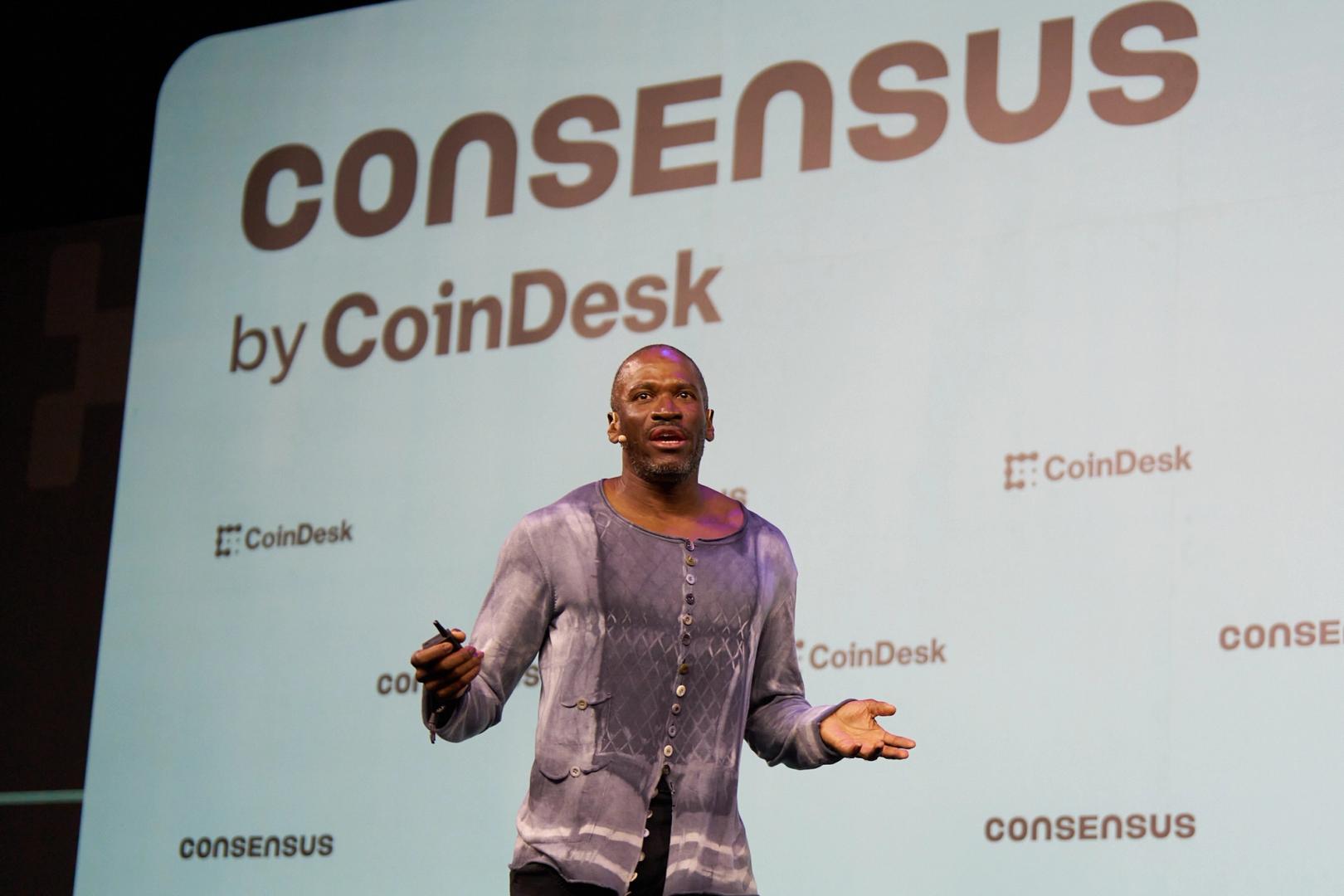
Noted cryptocurrency investor and BitMEX co-founder Arthur Hayes has announced the complete divestment of his Zcash (ZEC) holdings. This significant move comes in response to the recent disclosure of a potential vulnerability affecting Zcash's Orchard shielded pool, a core component of its privacy features.
Hayes, known for his outspoken views and market insights, indicated his decision was driven by assumptions that a potential exploit related to this vulnerability remains a credible threat. He explicitly stated that he would reconsider his position only if these assumptions about the exploit's possibility were proven incorrect, highlighting the severity of his concerns regarding the network's integrity.
Understanding Zcash and the Orchard Pool
Zcash is a privacy-focused cryptocurrency designed to protect user transaction details through advanced cryptographic techniques. Unlike Bitcoin, which primarily uses transparent transactions, Zcash offers both transparent and shielded transactions. Shielded transactions leverage zero-knowledge proofs (zk-SNARKs) to allow users to send and receive funds without revealing the sender, recipient, or transaction amount, making it a favorite among privacy advocates.
The Orchard shielded pool is the latest and most advanced iteration of Zcash's privacy technology, introduced with the Halo 2 proving system. It was designed to enhance efficiency and security for shielded transactions. A vulnerability within such a critical component could potentially undermine the very foundation of Zcash's value proposition: privacy and fungibility. Past incidents involving critical flaws in privacy coins have led to significant market reactions, as seen when Zcash Price Plummets Over 40% Following Disclosure of Long-Undetected Critical Bug.
Implications of the Vulnerability
While specific details of the Orchard Pool vulnerability were not extensively detailed in Hayes's statement, any flaw that could compromise the integrity of shielded transactions, or worse, enable counterfeiting, would be catastrophic for a privacy coin. Such vulnerabilities can erode user trust, impact the coin's fungibility, and lead to substantial price depreciation. The market has historically reacted sharply to such news, with previous Zcash vulnerabilities causing considerable price drops, such as when Zcash Plummets 30% Following Disclosure of AI-Discovered Counterfeiting Bug.
Key Takeaways from Hayes's Move:
- Arthur Hayes has sold all his Zcash (ZEC) holdings.
- The decision is based on concerns over a newly revealed vulnerability in the Orchard shielded pool.
- Hayes's primary worry is the potential for an exploit to be possible.
- He maintains he would only reverse his stance if his assumptions about the exploit's viability are disproven.
- The incident underscores the critical importance of cryptographic security for privacy-focused cryptocurrencies.
This development highlights the ongoing challenges and risks inherent in the rapidly evolving cryptocurrency landscape, particularly for projects at the forefront of privacy technology. The market will be watching closely for further updates from the Zcash development team regarding the nature of the vulnerability and its remediation.