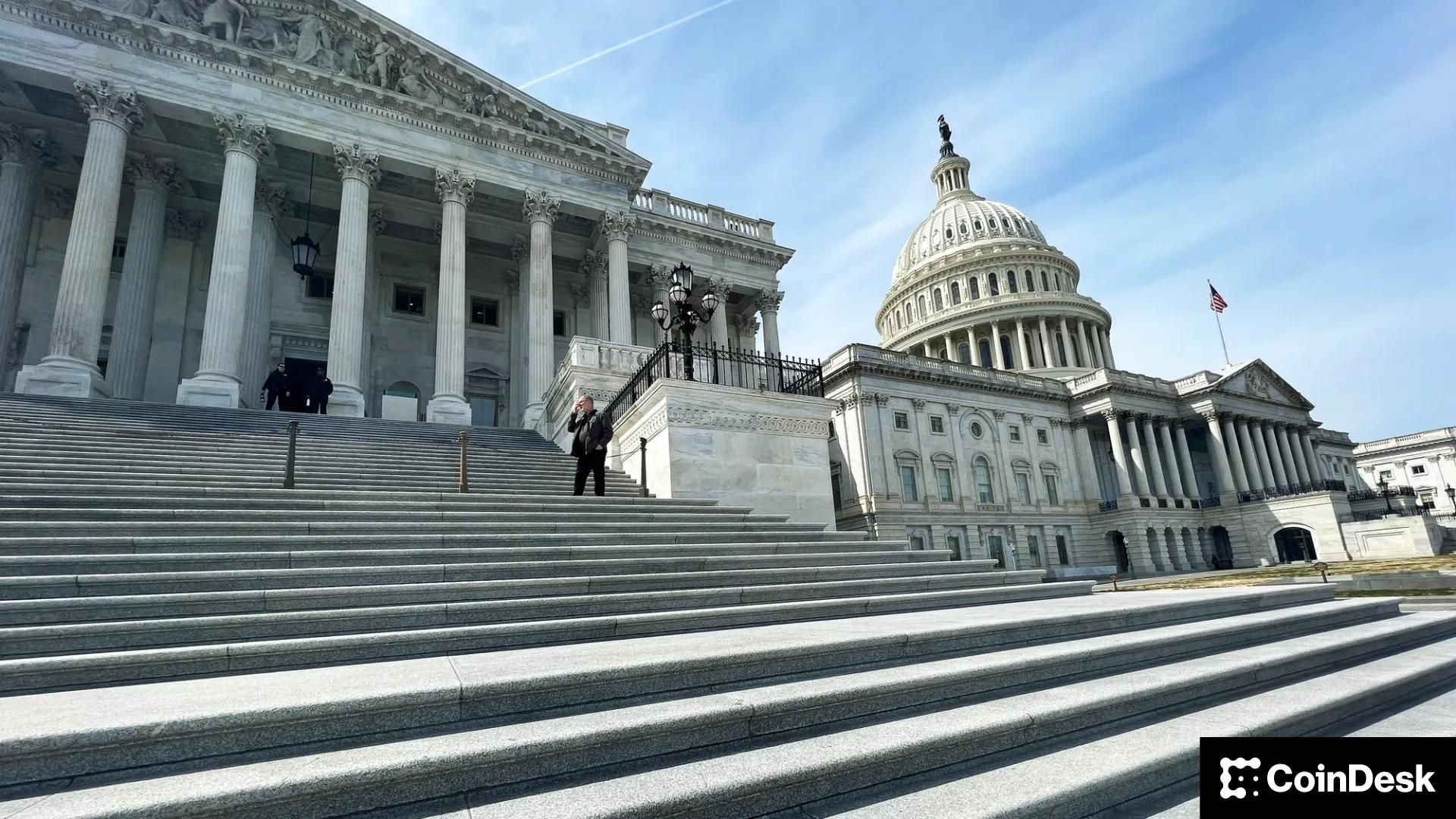
The United States House of Representatives is currently grappling with the complex task of establishing clear tax guidelines for the burgeoning cryptocurrency sector. While the legislative push involves several proposed bills, aiming for a bipartisan consensus, lawmakers are reportedly encountering various challenges and points of disagreement regarding the specifics of these measures.
The Push for Crypto Tax Clarity
The rapid expansion of digital assets has created a pressing need for comprehensive and understandable tax regulations. For years, investors and businesses operating within the crypto space have faced ambiguity, often relying on outdated guidance from agencies like the Internal Revenue Service (IRS). This lack of clarity can lead to compliance difficulties for individuals and hinder the growth of legitimate crypto enterprises. The current legislative effort seeks to address these gaps, providing a framework that defines digital assets for tax purposes, clarifies reporting obligations, and ultimately aims to bring the crypto economy more fully into the existing financial system.
Seven distinct bills are reportedly under consideration, each designed to tackle different facets of cryptocurrency taxation. The sheer number of proposals underscores the multifaceted nature of the challenge, ranging from how to classify various tokens to the appropriate mechanisms for reporting capital gains and losses. Establishing clear rules is crucial not only for tax collection but also for fostering confidence and stability within the digital asset market.
Navigating Bipartisan Concerns
Despite the shared goal of creating a functional tax framework, the path to bipartisan agreement is proving to be intricate. Lawmakers from both sides of the aisle are expressing reservations about specific provisions within the proposed legislation. These concerns often revolve around the practical implementation of new rules, potential impacts on technological innovation, and the balance between robust oversight and individual privacy. For instance, discussions around the "Clarity Act," a separate legislative effort, have highlighted concerns over potential loopholes that critics argue could be exploited.
Different political factions may hold varying philosophies on how heavily the crypto industry should be regulated, influencing their stance on tax requirements. Some may advocate for stricter reporting to prevent illicit finance, while others prioritize fostering a competitive environment for blockchain development. Finding common ground on issues like defining "broker" for crypto transactions or the tax treatment of staking rewards and airdrops requires careful negotiation and a deep understanding of the technology. The industry itself has been vocal, with crypto industry leaders calling for key developer protections to ensure that innovation isn't stifled by overly broad or complex regulations.
Implications for the Crypto Ecosystem
The outcome of these legislative discussions will have significant ramifications for everyone involved in the cryptocurrency ecosystem. For individual investors, clearer rules could simplify tax filing, reducing the burden of navigating complex and often contradictory guidance. For businesses, a well-defined regulatory landscape could unlock new opportunities for growth and investment, attracting more traditional financial institutions into the digital asset space.
Conversely, overly burdensome or poorly designed tax legislation could inadvertently push innovation offshore or create undue compliance costs for startups. The goal is to strike a delicate balance that ensures fair taxation and consumer protection without stifling the nascent technology's potential.
Key Takeaways:
- The U.S. House is reviewing seven proposed bills for cryptocurrency taxation.
- The effort aims for bipartisan support but faces detailed disagreements.
- Legislators seek to bring clarity to crypto tax rules for investors and businesses.
- Concerns include implementation challenges, impact on innovation, and privacy.
- The outcome will significantly shape the future of crypto in the U.S.
The ongoing debates underscore the inherent challenges of integrating a rapidly evolving digital economy into traditional legal and financial frameworks. The final shape of these tax bills will determine how the U.S. approaches digital asset taxation for years to come.