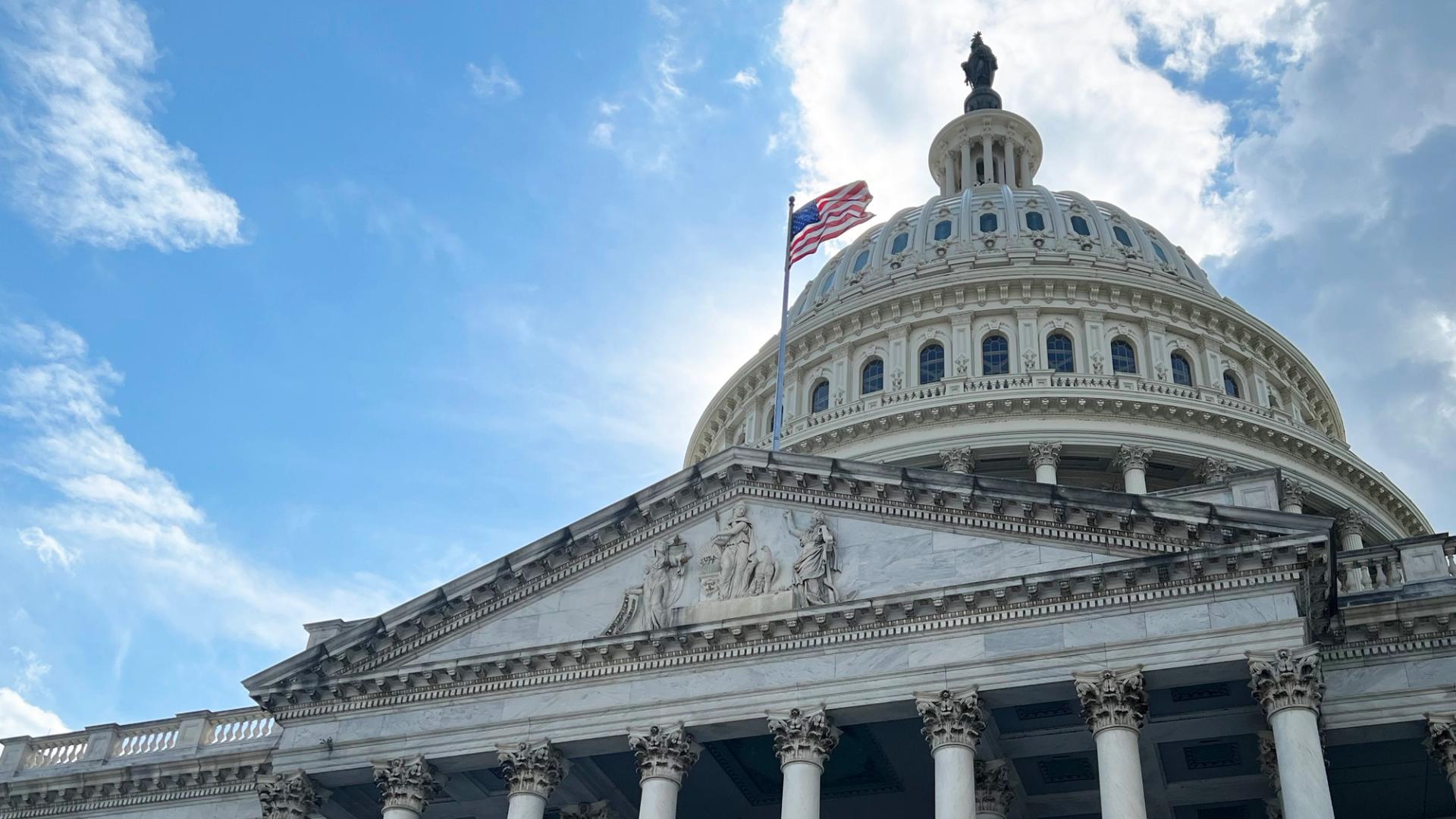
The United States Senate is currently advancing a significant piece of cryptocurrency legislation known as the Clarity Act. While intended to provide much-needed regulatory structure for the digital asset space, experts are raising alarms about potential vulnerabilities within its current wording. One prominent critic, Greytak, argues that the bill, as it stands, could inadvertently expose the U.S. to serious risks, including money laundering, sanctions evasion, and conflicts of interest at the highest levels of government.
This legislation is considered one of the most impactful crypto bills globally, given the U.S.'s role in the global financial system. Its passage could set a precedent for how digital assets are regulated, not just domestically, but internationally. However, the concerns voiced suggest that a rushed or insufficiently detailed approach could have lasting negative consequences, undermining the very stability and security it aims to create.
Unaddressed Risks in Regulatory Framework
The primary criticisms revolve around specific areas where the Clarity Act is perceived to fall short. The first concern is the potential for money laundering. Critics suggest that the bill might not provide sufficiently clear definitions or robust mechanisms to prevent illicit funds from flowing through crypto channels. Without precise guidelines on asset classification and reporting requirements, bad actors could exploit ambiguities, making it challenging for law enforcement to track and seize illegally obtained digital assets.
Secondly, the issue of sanctions evasion is a major point of contention. The current geopolitical landscape makes effective sanctions enforcement critical for national security. If the Clarity Act does not adequately address how crypto transactions comply with existing sanctions regimes, it could create loopholes that allow sanctioned entities or individuals to bypass restrictions, potentially fueling nefarious activities or supporting hostile state actors. This aspect is particularly sensitive, as digital assets offer new methods for value transfer that traditional financial systems are still adapting to monitor.
Conflicts of Interest and Key Takeaways
A third significant area of concern highlighted by Greytak involves conflicts of interest. This could pertain to individuals in positions of power, including lawmakers or government officials, who might hold substantial investments in the very digital assets or companies they are tasked with regulating. Without stringent disclosure requirements and ethical guidelines, there's a risk that legislative decisions could be influenced by personal financial gains rather than public good. Ensuring transparency and accountability in this regard is crucial for maintaining public trust in the regulatory process.
The push for regulatory clarity has been a long-standing demand from the crypto industry itself, with many firms urging the Senate to pass the CLARITY Act for greater certainty. However, the current debate underscores the complexity of crafting effective legislation in a rapidly evolving sector.
Key takeaways from the current debate include:
- The Clarity Act is a landmark U.S. crypto bill with global implications.
- Concerns exist regarding money laundering, sanctions evasion, and conflicts of interest.
- Critics argue the bill’s current form may not adequately address these risks.
- Robust definitions and strong enforcement mechanisms are vital for effective regulation.
The detailed scrutiny of the Clarity Act suggests that while the desire for regulatory certainty is strong, the need for comprehensive and airtight safeguards against financial crime and ethical breaches remains paramount. The ongoing discussions in the Senate will likely focus on refining these critical areas to ensure the legislation achieves its goals without creating unintended vulnerabilities. As other jurisdictions, like the EU with MiCA, move forward with their own frameworks, the U.S. approach will be closely watched. For more information on calls for regulatory certainty, see our previous coverage: Crypto Firms Urge Senate to Pass CLARITY Act for Regulatory Certainty.