Block CEO Jack Dorsey sparked widespread debate across the technology and cryptocurrency sectors on October 24, 2026, after posting "there is no moat" on X, a message that quickly generated over 3.5 million views. The statement, referencing investor Warren Buffett's famous term for durable competitive advantages, drew high-profile responses from Strategy executive chairman Michael Saylor and Tesla CEO Elon Musk.
Block's Voice AI Model Dessa Sparks Industry Debate
Dorsey’s comment coincided with the introduction of Dessa, a lightweight voice AI model developed by an internal research lab at Block. Trained exclusively on human conversation without relying on text inputs or pretrained models, Dessa was built using just a single Nvidia GB200 NVL72 rack and can run locally on a MacBook. Block has granted early access to a select group of AI safety researchers prior to a broader release.
The breakthrough follows significant restructuring at Block, where Dorsey reduced headcount by approximately 40% in February, arguing that advanced AI tools allow smaller teams to operate far more efficiently. The rapid advancement of open-source AI mirrors a leaked 2023 Google memo that warned proprietary models would lose their technical lead as accessible technology improves, highlighting shifting dynamics amid rising corporate tech investments.
Saylor and Musk Counter with Bitcoin and Spartan Principles
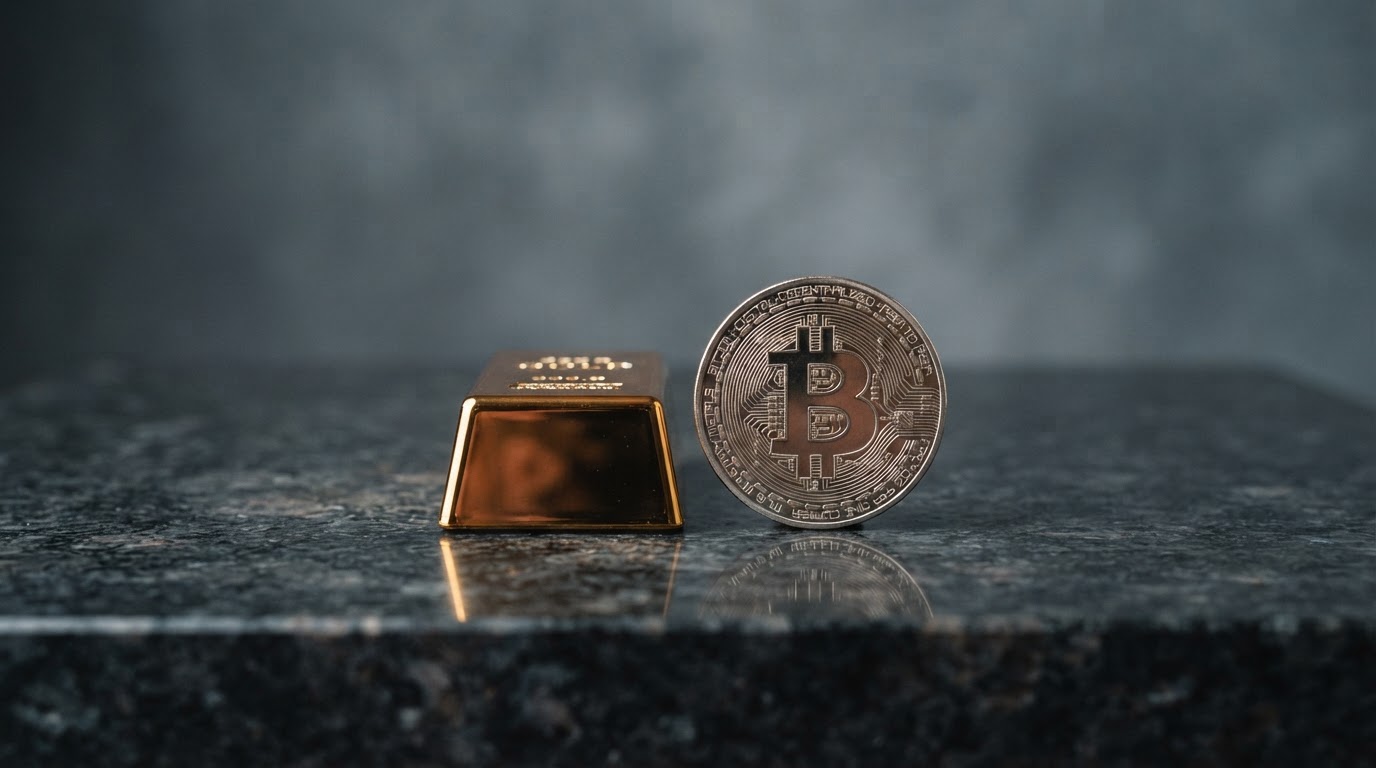
Responding on October 25, 2026, Michael Saylor countered Dorsey's premise by posting "bitcoin is the moat." As leader of the firm holding the world's largest corporate Bitcoin treasury following recent corporate disclosures, Saylor maintains that scarce monetary network assets provide the ultimate defensive barrier against capital debasement. Saylor previously noted earlier in October that aggressive AI infrastructure spending had temporarily weighed on Bitcoin markets alongside shifting trade policies and rising treasury yields.
Conversely, Elon Musk pushed back against the concept of defensive barriers entirely, stating that "Sparta never had a moat," emphasizing operational strength and execution over static defenses. Musk has previously praised Bitcoin's decentralized structure, remarking that the network has "no throat to choke." Meanwhile, Dorsey's own firm remains deeply tied to digital assets, having conducted a $1 million Bitcoin giveaway through Cash App in April.
- Jack Dorsey's post reached 3.5 million views following Block's reveal of the Dessa voice AI model.
- Dessa was trained without text or pretrained models using a single Nvidia GB200 NVL72 rack.
- Michael Saylor claimed "bitcoin is the moat," emphasizing its fixed supply as the ultimate corporate hedge.
- Elon Musk rejected traditional moats, invoking ancient Sparta's reliance on physical strength rather than walls.
Why It Matters
The debate highlights a growing convergence between artificial intelligence and digital assets. As artificial intelligence drastically lowers the cost of software development and erodes traditional intellectual property moats, fixed-supply financial assets like Bitcoin emerge as unique stores of value that cannot be copied or inflated away. For corporate treasuries navigating technological disruption, holding scarce network-based capital may prove to be the most resilient strategy against rapid software margin compression.