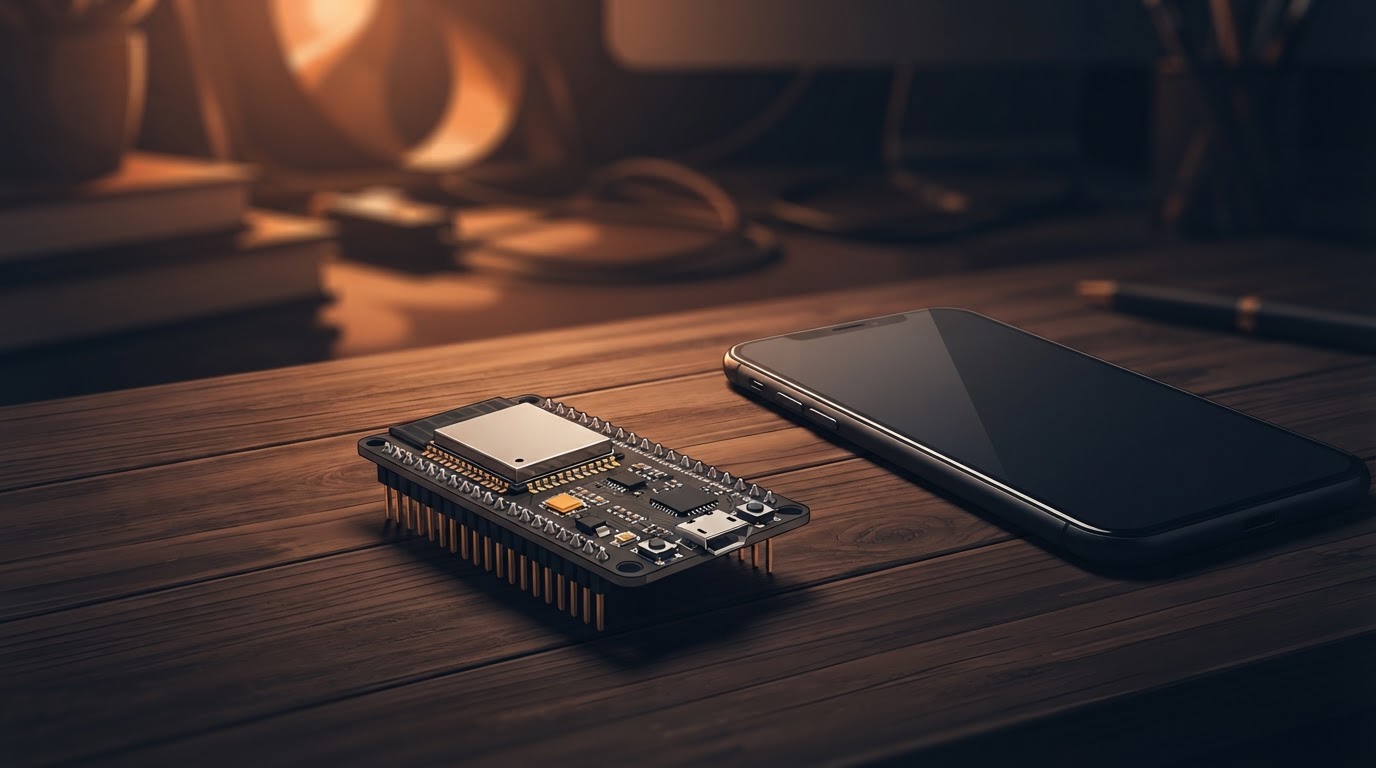
A developer known as Calle has demonstrated an experimental proof-of-concept that transmits Bitcoin via Apple's Find My network using low-cost hardware and Cashu ecash tokens. Announced on Sept. 30, 2026, the system enables an offline sender device to broadcast payment data through nearby iPhones without requiring a direct internet connection.
How Bitcoin Moves Over Apple's Mesh Network
The open-source project, published on GitHub, relies on ESP32 microcontroller boards to execute offline transfers. Cashu operates as an ecash protocol designed to preserve privacy by issuing cryptographic bearer tokens through central mints.
To initiate a transfer, the ESP32 board embeds fragments of a Cashu token into Bluetooth low-energy signals configured to mimic lost-item location beacons. Passing iPhones automatically detect these signals and forward the data to Apple's Find My network, functioning in the same manner as an AirTag. The recipient then accesses the network through an unofficial Apple interface and executes a Python script to reconstruct the token piece by piece.
Because each individual beacon signal conveys only two bits of data, transmitting a standard token requires well over 1,000 broadcasts, making the delivery process exceptionally slow.
Security Risks and Technical Limitations
The project developer emphasized that the transmission method is strictly an educational novelty rather than a commercial payment tool. The data payload lacks encryption, and the identification keys required to locate the broadcasts are entirely public.
Key risks and constraints identified in the protocol notes include:
- Public Interception: Because Cashu tokens function as digital cash bearer assets, anyone who monitors the broadcast channels can intercept and redeem the funds.
- Micro-Transfers Only: The developer strongly advises utilizing the method solely for negligible giveaway amounts due to the security risks.
- Infrastructure Dependency: The system relies on an unofficial Find My interface and will break completely if Apple updates its proprietary network software.
While developers continue advancing alternative base-layer privacy and transaction mechanisms like BIP461 ECDSA signature updates, this experiment demonstrates the adaptability of mesh routing.
Why It Matters
This experiment underscores how decentralized payment protocols can leverage non-traditional, ubiquitous physical infrastructure to bypass internet censorship or severe connectivity blackouts. By co-opting consumer hardware networks designed for tracking lost items, developers show that value transfer can occur even under complete network restrictions.
However, strict throughput limitations and unencrypted bearer risks mean mesh-based transfers will remain confined to extreme edge cases or micro-donations rather than daily commerce.