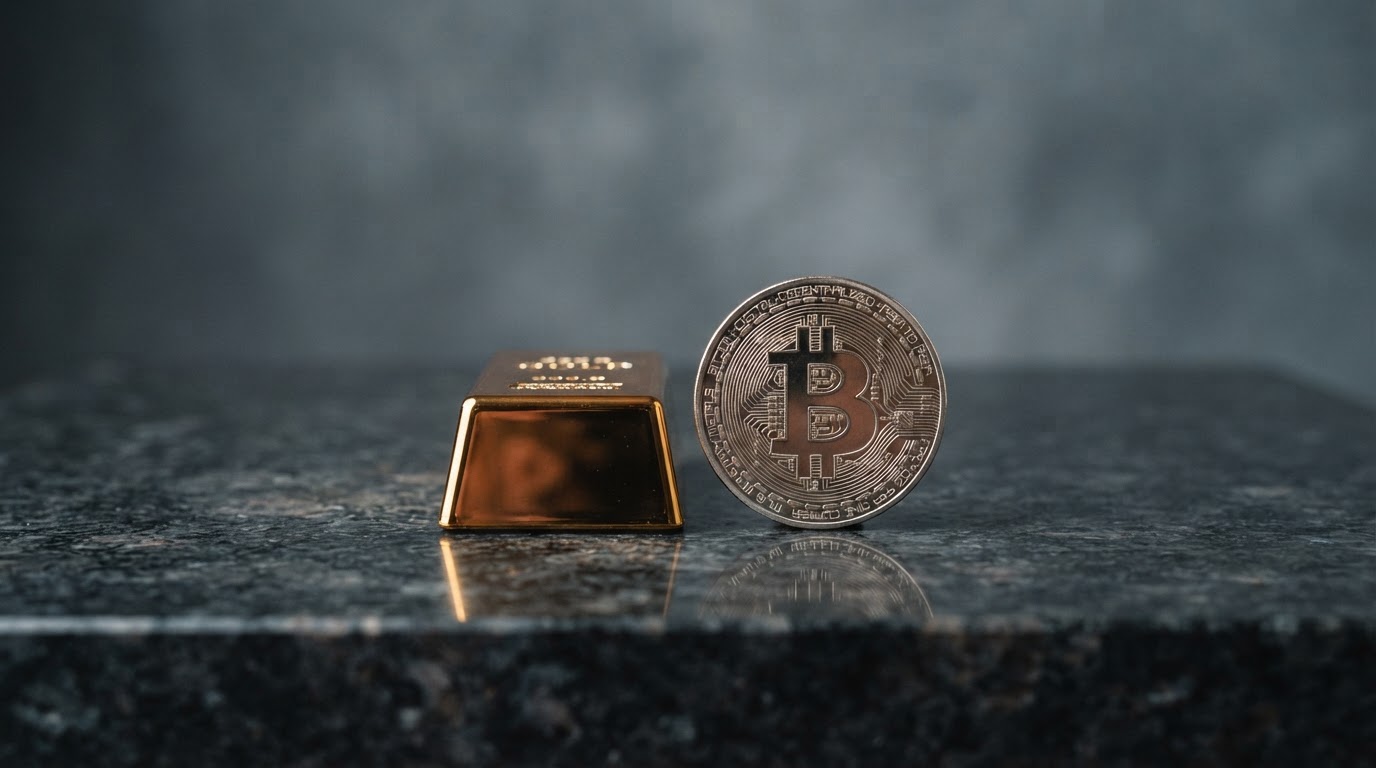
Bitcoin (BTC) and spot gold have emerged as the two worst-performing major asset classes of 2026 through October 23, declining 7.3% and 7.5% respectively. According to data compiled by Creative Planning strategist Charlie Bilello, this marks the first time since his tracking began in 2011 that both traditional and digital safe-haven assets have occupied the bottom two spots simultaneously.
Macro Pressures and Interest Rate Headwinds
Neither asset generates yield, making them sensitive to interest rate expectations. Energy market volatility has reignited inflation concerns, with Brent crude touching $116 per barrel on Friday following escalating US-Iran tensions. Rising oil prices increase the likelihood of monetary tightening by central banks.
According to CME FedWatch data, market participants are pricing in a 68% probability of a December rate hike ahead of the upcoming Fed interest rate decision. Analysts at ING highlighted that gold failed to benefit from a recent tech stock retreat as traders remained focused on energy-driven inflation risks.
Currently, Bitcoin trades at $80,472, which is approximately 35% below its peak of over $126,000 set last October. The asset is heading toward a second consecutive annual drop after a 6.3% decline in 2025. Spot gold closed at $3,995.81 on Friday, falling below $4,000 for the first time since July after reaching a high above $5,400 per ounce earlier in 2026 following a 63.7% gain in 2025.
Performance Breakdown Across Major Markets
Only 57% of the 21 tracked asset classes show positive returns in 2026. The performance metrics illustrate a sharp divergence across financial markets:
- Commodities Basket: +52.5%
- US Large-Cap Stocks: +12.3%
- Short-Term Treasury Bills: +2.9%
- Bitcoin (BTC): -7.3%
- Gold: -7.5%
Despite the recent downturn, long-term historical data shows substantial growth. Since 2011, Bitcoin has achieved an annualized average return of 120.6%—the highest in Bilello's 21-asset table—compared to 6.3% for gold.
Why It Matters
The simultaneous decline of Bitcoin and gold highlights how persistent high interest rates and energy-led inflation undermine non-yielding assets, regardless of their status as safe havens or inflation hedges. When cash yields remain attractive and oil spikes elevate broader market stress, capital shifts toward income-generating or direct commodity positions. Market participants should monitor incoming central bank rate guidance and energy supply dynamics to see if safe-haven demand recovers before the end of the year.