Solana Institute CEO Urges Senate to Protect Open-Source Developers in CLARITY Act
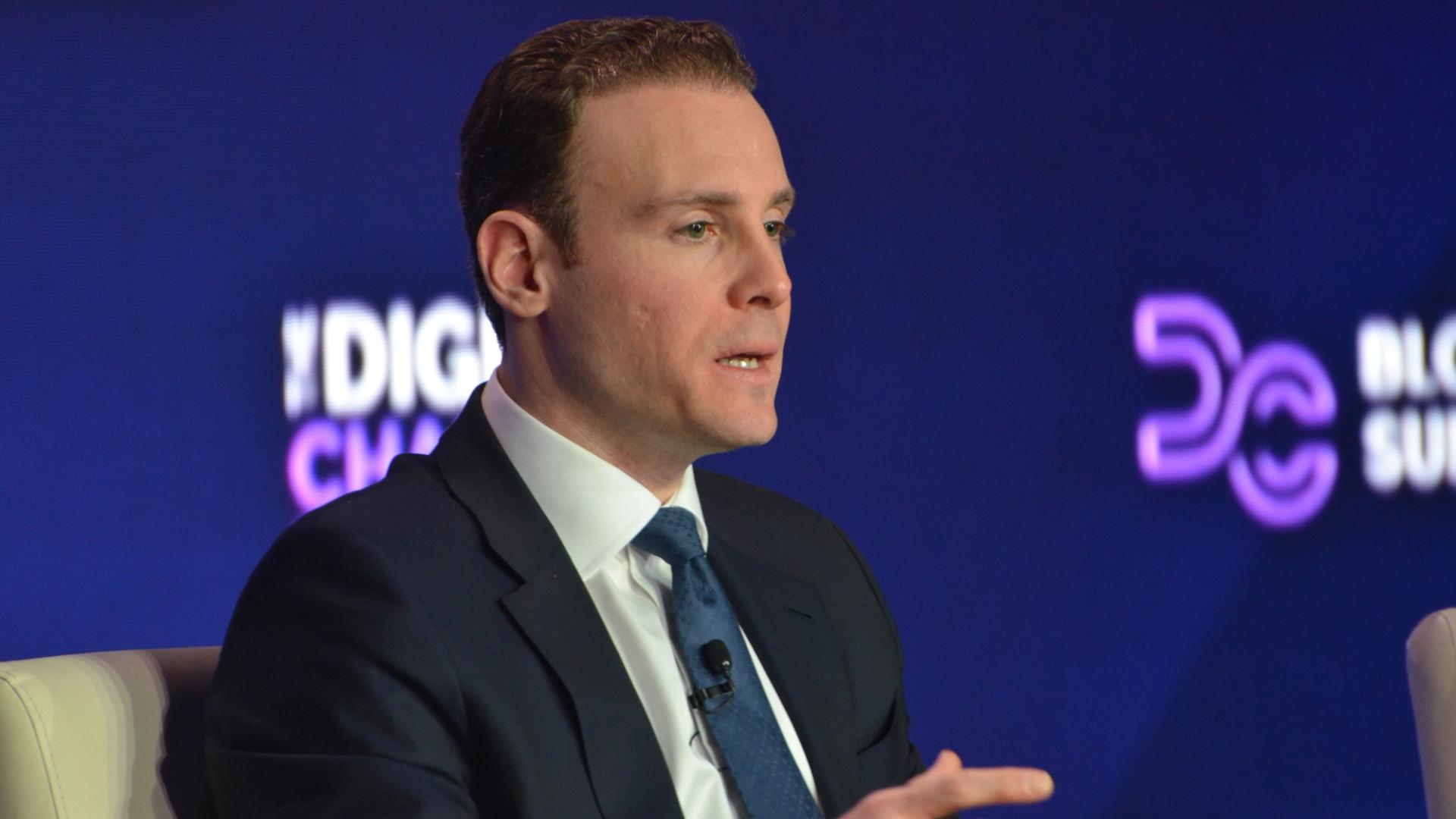
Kristin Smith, CEO of the Solana Institute, is advocating for critical developer protections within the CLARITY Act to safeguard open-source innovation.
Page 16 of 20 · 474 articles

Kristin Smith, CEO of the Solana Institute, is advocating for critical developer protections within the CLARITY Act to safeguard open-source innovation.

The BBB has referred prediction market Kalshi to state regulators for failing to cooperate with an inquiry into its influencer marketing practices.
Hedge fund manager Dan Loeb claims the Department of Justice threatened former President Trump in 2021 to prevent Ross Ulbricht's commutation.
Major cryptocurrency firms are pressing the U.S. Senate to pass the Digital Asset Market Clarity Act, emphasizing crucial protections for blockchain developers.

The UK's Financial Conduct Authority (FCA) has proposed a significant rule change, potentially allowing retail mutual funds to invest up to 10% in crypto exchange-traded notes.

A key piece of U.S. crypto legislation, the 'Clarity Act', is facing scrutiny over potential gaps that could enable money laundering, sanctions evasion, and conflicts of interest.

Senator Elizabeth Warren has intensified her scrutiny of the CFTC's oversight of cryptocurrency and prediction markets, questioning past enforcement shifts.

Blockchain researchers warn that broad sanctions against HTX could blur crypto risk signals, potentially harming legitimate users and hindering illicit fund tracing.

A key architect of the EU's landmark MiCA regulation suggests prioritizing tokenization rules over immediate DeFi oversight, sparking debate on the future of crypto policy.

Pharmaceutical firm Merck and Hashgraph Group have launched a Hedera-based product passport to help companies meet new European Union sustainability and supply chain regulations.

Over 200 cryptocurrency companies are united in their call for the U.S. Senate to vote on the Digital Asset Market Clarity Act, seeking crucial regulatory guidelines.

Researchers caution that autonomous AI systems integrated with cryptocurrency could create "unstoppable" entities with significant, far-reaching consequences for finance and users.

The UK's financial watchdog is exploring proposals to permit retail investment funds to include a small percentage of crypto assets, signaling a potential shift in regulatory approach.

FTX founder Sam Bankman-Fried has formally sought a presidential pardon from Donald Trump, despite the former president previously ruling out such clemency.
A new U.S. bill proposes a Strategic Bitcoin Reserve with a mandatory 20-year lock-up and robust proof-of-reserve requirements.
Disgraced FTX founder Sam Bankman-Fried has formally petitioned for a presidential pardon from Donald Trump while serving a 25-year prison sentence.
A powerful coalition of over 200 crypto companies is urging Senate leaders to advance the Digital Asset Market Clarity Act, seeking crucial regulatory clarity for the industry.

Sam Bankman-Fried, serving a 25-year sentence, has formally sought a presidential pardon from Donald Trump, despite Trump's prior skepticism.

Ledger's CTO warns that the EU's MiCA regulations impose crushing compliance costs, potentially stifling Web3 startups and innovation across Europe.

South Korean authorities have raided major crypto exchange Bithumb as part of an investigation into lawmaker Kim Byung-gi over alleged hiring favoritism.

US Congress is set to review draft legislation clarifying tax rules for cryptocurrency staking, mining, network fees, and reporting, aiming for greater market certainty.

Reform UK leader Nigel Farage faces accusations from Labour Party Chair Anna Turley for allegedly avoiding scrutiny over a $6.7 million donation from a crypto-linked billionaire.

A Chinese court sentenced a man to nearly 11 years in prison for stealing 107 Bitcoin, explicitly recognizing BTC as legal property in the landmark ruling.

Galaxy Digital now places the likelihood of a crucial crypto bill passing at just 60%, citing the Senate's increasingly tight pre-election calendar.