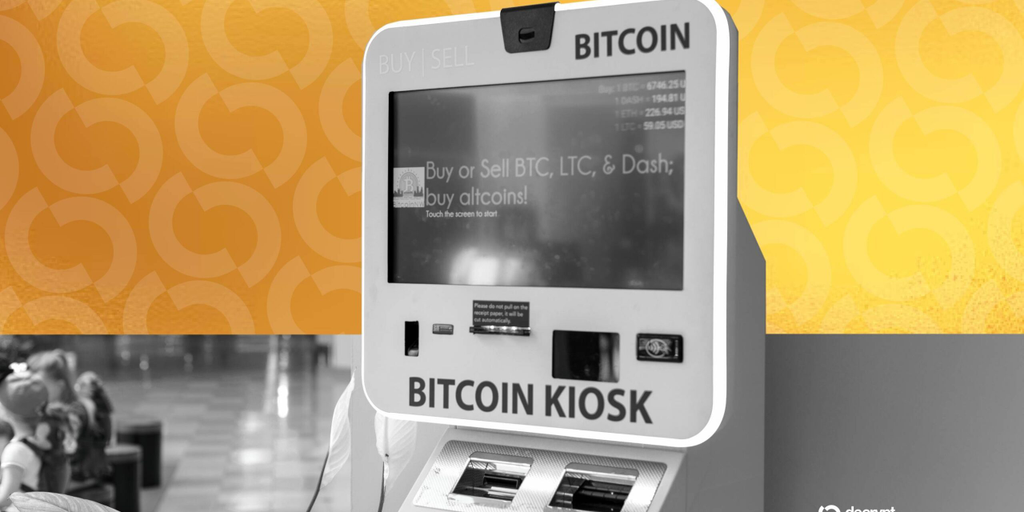
Delaware lawmakers are poised to implement a sweeping ban on all cryptocurrency ATMs across the state, citing concerns over their "predatory" nature. This legislative push, if enacted, would mandate the physical removal of all crypto kiosks within 90 days of the bill becoming law.
The proposed legislation marks a significant regulatory move by the state of Delaware, known for its business-friendly environment and corporate registrations. The bill, which has advanced through the legislative process, aims to eliminate these machines entirely, reflecting a growing scrutiny of cryptocurrency access points that operate outside traditional financial oversight. While the specific details of what constitutes "predatory" behavior were not extensively detailed in the initial reports, such concerns typically revolve around high transaction fees, potential for illicit activities, and lack of robust Know Your Customer (KYC) procedures.
Regulatory Scrutiny on Crypto Kiosks
Cryptocurrency ATMs, or kiosks, offer a straightforward way for individuals to convert cash into digital assets like Bitcoin or Ethereum, and vice-versa. They have gained popularity for their convenience, providing a bridge between the traditional financial system and the crypto world for those without bank accounts or who prefer cash transactions. However, this ease of access has also made them a target for regulators, who often raise flags about their potential misuse. Concerns frequently include money laundering, scams, and the lack of transparent fee structures that can sometimes lead to consumers paying significantly more than market rates for their crypto. These concerns are not unique to Delaware; globally, authorities are intensifying efforts to combat illicit financial flows facilitated by digital assets, as seen in South Korean police partnering with Chainalysis to tackle rising crypto crime.
This move by Delaware aligns with a broader trend of increased regulatory examination of the digital asset space. Governments worldwide are grappling with how to integrate cryptocurrencies into existing financial frameworks while mitigating risks. For instance, similar discussions around stricter oversight and even outright bans have occurred in other jurisdictions globally, highlighting a global effort to curb potential abuses. The ongoing debate in the US House of Representatives regarding various crypto tax bills also underscores the multifaceted approach regulators are taking to bring the crypto industry under greater control.
Implications for Users and Operators
Should the bill pass, the impact on Delaware residents and businesses operating these machines would be immediate and substantial. Users who rely on crypto ATMs for quick access to digital currencies would need to find alternative methods, potentially driving them towards online exchanges or peer-to-peer transactions. For operators, the 90-day removal mandate presents a logistical and financial challenge, requiring them to dismantle and relocate or dispose of their equipment. This could set a precedent, encouraging other states to consider similar measures if they share Delaware's concerns about the unregulated nature of these kiosks.
Key Takeaways from Delaware's Proposed Ban:
- Complete Prohibition: The bill seeks to ban all cryptocurrency ATMs statewide.
- "Predatory" Concerns: Legislation cites the machines as "predatory," though specific definitions are pending.
- 90-Day Removal: Operators would have 90 days to remove kiosks after the bill becomes law.
- Broader Regulatory Trend: Reflects increasing scrutiny on crypto access points.
- Impact on Access: Users will need alternative methods for cash-to-crypto conversions.
The legislative action by Delaware signals a deepening commitment by state authorities to regulate the burgeoning cryptocurrency market, particularly where it intersects with physical infrastructure and public access. As the crypto landscape continues to evolve, we can expect more states to weigh in on how these digital assets can be bought and sold within their borders, balancing innovation with consumer protection and financial security.