Cantor Fitzgerald Predicts Bitcoin Bear Market Nearing End, Market Bottom Expected in Coming Months
Investment bank Cantor Fitzgerald suggests Bitcoin's bear market may be nearing its end, anticipating a market bottom in the coming months.

Investment bank Cantor Fitzgerald suggests Bitcoin's bear market may be nearing its end, anticipating a market bottom in the coming months.

Bitcoin's recent price drop has brought it within 10% of its realized price, a historical indicator for bear market bottoms.

Swan CEO Cory Klippsten notes a record Bitcoin supply held by long-term investors, suggesting a potential early bottom for the crypto market.

A prominent Bitcoin miner predicts a further 30% drop in Bitcoin's price, potentially reaching $44,000 by year-end, citing MicroStrategy's stock mNAV ratio as a key indicator.

Long-term Bitcoin holders have reduced their selling activity to a **19-month low**, with market cycle indicators pointing to **September** as a potential **market bottom**.

A looming bearish cross in Bitcoin's long-term moving averages is being interpreted by some as a contrarian indicator suggesting a market bottom.

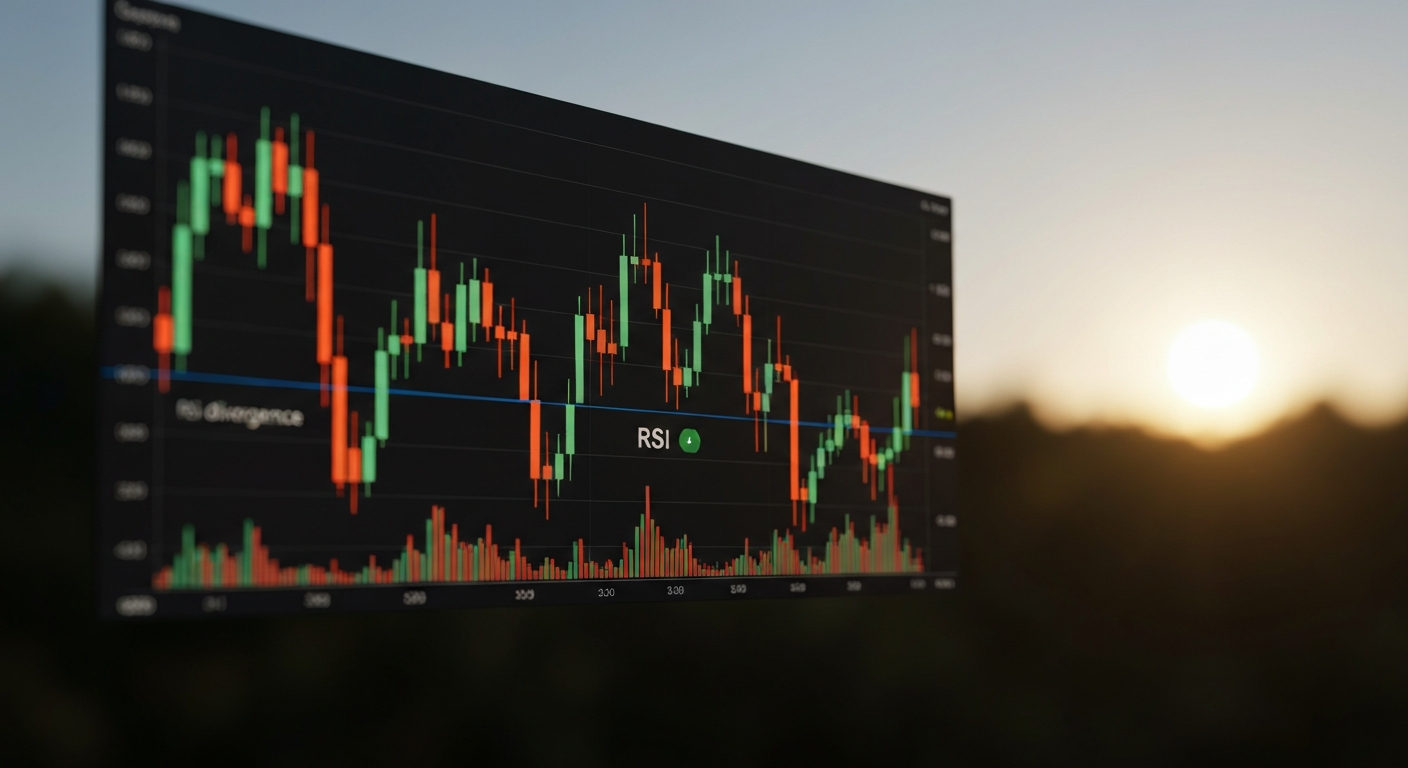
Bitcoin's consistent weekly close above $63,000, coupled with an RSI divergence, suggests a potential market bottom.

A key Bitcoin metric, the Sharpe ratio, has reached levels historically associated with market bottoms, alongside significant holder accumulation.

New research indicates that Bitcoin's market behavior is shifting, suggesting future bottoms may be less severe with a potentially higher price floor.

A crucial technical indicator, Bitcoin's weekly Relative Strength Index, suggests the cryptocurrency has not yet definitively found its market bottom.
A Charles Schwab strategist highlights Bitcoin's production cost, particularly for efficient miners at around $60,000, as a potential structural price floor for the current market cycle.

Bitmine Immersion Technologies chairman Tom Lee interprets recent Bitcoin sales and institutional outflows as typical market bottom indicators, not structural threats.