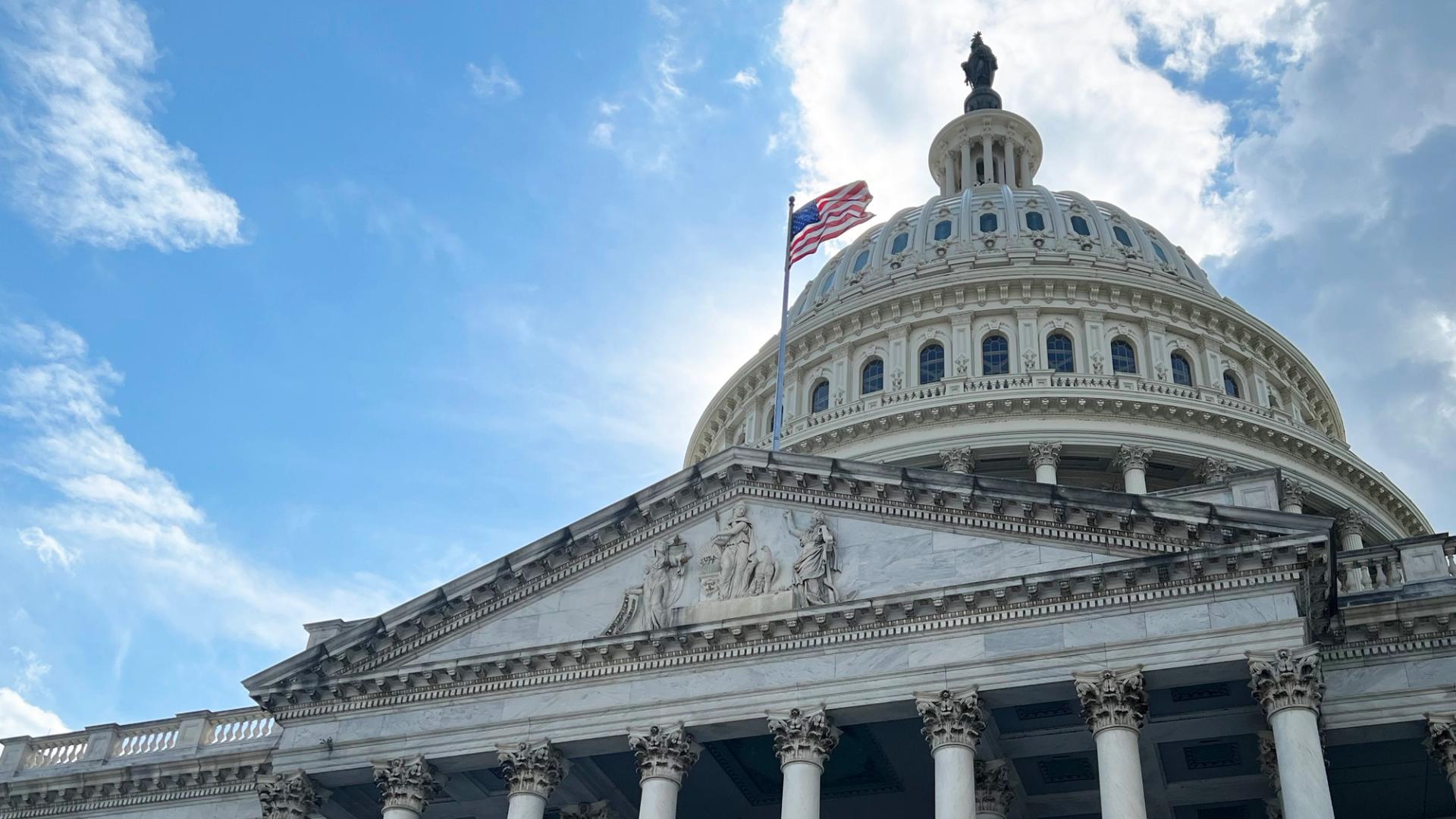
A significant piece of crypto legislation, aimed at establishing a clear market structure in the United States, faces an uphill battle to secure valuable time on the Senate floor.
With the congressional calendar rapidly dwindling, the proposed bill must compete with numerous other urgent legislative priorities, making its path to passage increasingly uncertain.
A Crowded Congressional Calendar
The United States Senate operates on a finite schedule, and as key legislative periods approach their end, the competition for floor time intensifies. Lawmakers are grappling with a multitude of pressing issues, from budget negotiations to national security concerns, all vying for attention and debate.
This crowded agenda means that a crypto market structure bill, despite its importance to the digital asset industry, is just one of many proposals awaiting consideration. Securing a slot for debate and a vote requires significant political will and consensus, which can be challenging when the clock is ticking. Efforts by Crypto Political Action Committees (PACs) have shown influence in primaries, but securing floor time for complex legislation remains a distinct challenge.
The Quest for Regulatory Clarity
The cryptocurrency industry has long advocated for comprehensive regulatory clarity in the United States. Stakeholders argue that a well-defined legal framework is essential for fostering innovation, protecting consumers, and attracting investment. A market structure bill would ideally delineate the responsibilities of various regulatory bodies, such as the Securities and Exchange Commission (SEC) and the Commodity Futures Trading Commission (CFTC), regarding different types of digital assets.
Without such legislation, the sector continues to navigate a patchwork of existing laws and interpretations, leading to regulatory uncertainty that can stifle growth and create operational challenges for businesses. This ongoing debate about how to classify and regulate cryptocurrencies is a persistent theme, as seen in discussions around topics like crypto in 401(k) plans.
Key Takeaways:
- The US Senate has a tightly packed legislative schedule.
- A crypto market structure bill is competing for limited floor time.
- Its passage is uncertain due to numerous other urgent priorities.
- The industry seeks clear regulations to define digital asset oversight.
- Continued regulatory ambiguity could hinder innovation and investment.
Implications of Delay
Should the crypto market structure bill fail to gain sufficient traction or secure floor time during this legislative session, the implications for the digital asset sector in the United States could be significant. Continued regulatory ambiguity might deter both domestic and international investment in US-based crypto companies.
It could also encourage innovation to migrate to jurisdictions with clearer and more favorable regulatory environments. The crypto industry and its advocates will likely intensify their lobbying efforts in subsequent sessions, emphasizing the economic benefits and consumer protection aspects that a well-defined regulatory framework could provide. The ongoing pursuit of comprehensive legislation underscores the industry's desire for stability and mainstream adoption.