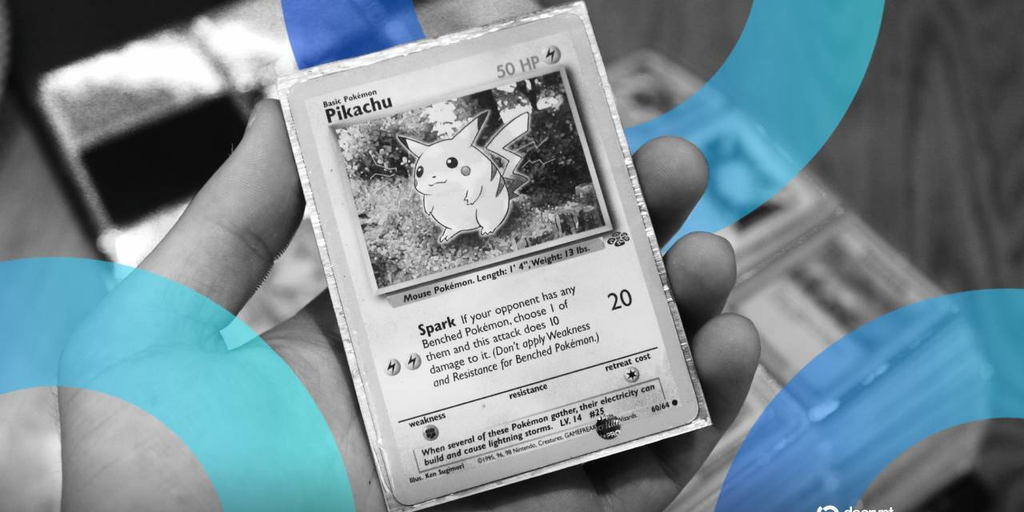
The world of digital collectibles is witnessing a remarkable surge, with tokenized Pokémon cards emerging as a prominent trend on various crypto platforms. This unique intersection of beloved nostalgia and cutting-edge blockchain technology has captured the attention of a growing audience, driving sales skyward over the past year.
The Allure of Digital Pokémon Collectibles
Unlike traditional physical cards, these tokenized Pokémon cards exist as non-fungible tokens (NFTs) on a blockchain. Each digital card is a unique, verifiable asset, granting its owner indisputable proof of ownership and authenticity. This digital scarcity and verifiable lineage appeal to collectors who value the rarity and provenance of their assets. The integration with crypto platforms allows for seamless trading and a global market that operates 24/7, transcending geographical boundaries often associated with physical collecting.
This movement is part of a broader trend where various assets are being tokenized, demonstrating a shift towards digital ownership and value representation. The rise of these digital assets mirrors the growing interest in other tokenized financial instruments, as seen with the increasing volume of tokenized treasuries on crypto platforms.
Gacha Mechanics and Speculative Frenzy
A significant driver behind the recent sales boom is the widespread adoption of gacha machine mechanics. Originating from Japanese vending machines that dispense random toys, in the crypto space, gacha refers to a system where users pay to receive a random tokenized card, with varying probabilities of obtaining rare or highly sought-after items. This element of chance and the thrill of potentially acquiring a valuable digital asset fuels a highly speculative market.
Collectors and investors are drawn to the excitement of randomized drops, hoping to secure ultra-rare cards that could command substantial prices on secondary markets. This speculative behavior, while driving volume, also sparks debate about the nature of these activities. Proponents often highlight the collectible aspect and the joy of completing sets, arguing it's a form of digital collecting. However, critics point to the chance-based acquisition and the potential for significant financial gains or losses, drawing parallels to gambling.
Key Takeaways from the Digital Card Boom
- Tokenized Pokémon cards have seen a substantial increase in sales volume.
- The market is heavily influenced by speculation and gacha machine mechanics.
- These digital assets leverage blockchain technology to provide verifiable ownership.
- The debate continues regarding whether these activities constitute gambling or legitimate collecting.
This trend underscores the evolving landscape of digital ownership and how blockchain technology continues to redefine traditional hobbies. As tokenization expands beyond just collectibles to various other asset classes, it's clear that the digital realm is increasingly becoming a space for both entertainment and investment, echoing the transformative impact seen in broader tokenization and AI convergence discussions.