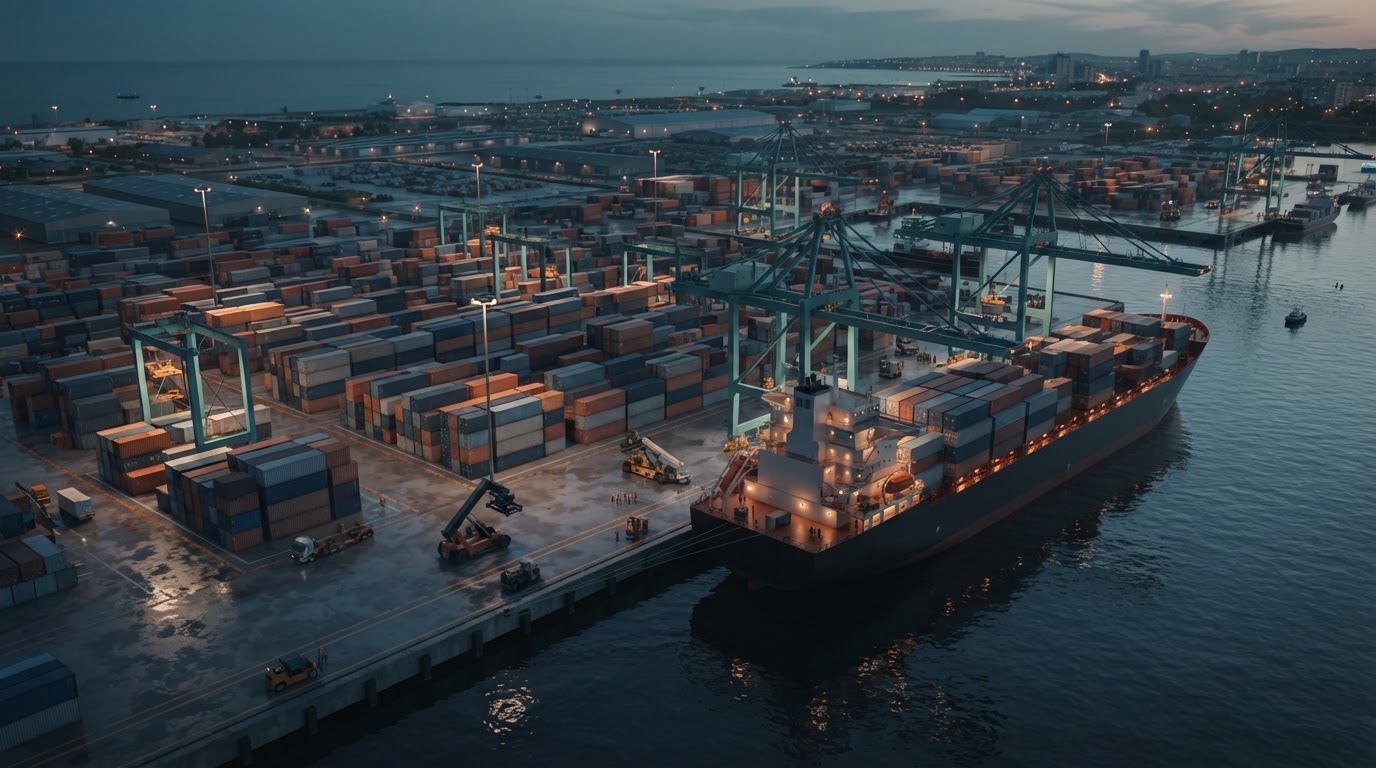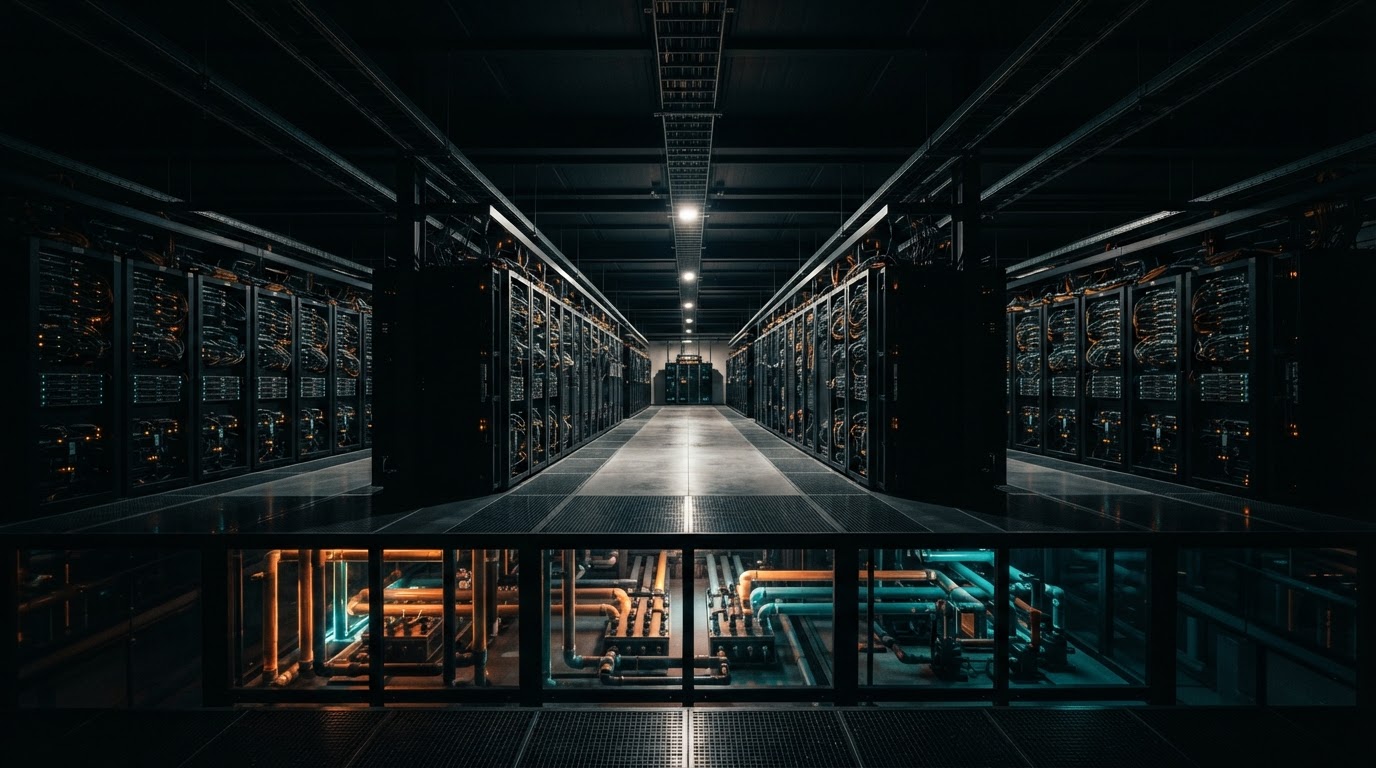
Amsterdam-listed SWI Group announced on Oct. 12 that it raised €800 million in institutional equity, pushing its total capital raised since March past €1 billion and valuing the group at €6.1 billion. The fresh funding will support the conversion of its digital infrastructure portfolio—including former FTX-backed Bitcoin miner Genesis Digital Assets (GDA)—into high-performance computing and artificial intelligence data centers.
From FTX Mining Bet to High-Performance AI Hubs
Between 2021 and 2022, Alameda Research, the trading affiliate of collapsed exchange FTX, invested approximately $1.15 billion into Genesis Digital Assets at a valuation of about $5.5 billion. Following bankruptcy proceedings—where the FTX recovery trust dismissed its clawback lawsuit in June 2026—SWI consolidated control of Genesis, acquiring a stake exceeding 70% in August.
SWI plans to rename the unit SWI Digital and redevelop its US power-connected sites for enterprise computing workloads. With a combined European and American digital infrastructure portfolio exceeding 4 gigawatts of power capacity and more than 80% of its capital committed to the sector, SWI also intends to launch its own AI cloud platform under Chief Executive Max-Hervé George.
The Economic Drivers Behind the Bitcoin-to-AI Pivot
The capital shift reflects a stark divergence in operational margins between crypto mining and machine learning workloads, especially as macroeconomic pressure mounts across crypto markets like when Bitcoin dropped below $82,000. According to a second-quarter report from CoinShares, AI computing infrastructure generates approximately $1.5 million in annualized profit per megawatt, compared with an estimated $500,000 from Bitcoin mining.
This threefold profit gap drove second-quarter stock gains between 70% and 195% across 10 of 12 publicly traded miners tracked by CoinShares. AI-focused operators including Hut 8, Cipher Mining, TeraWulf, and Core Scientific traded at an average of 19.4 times forward sales, compared with 6.6 times for traditional mining competitors.
However, transforming facilities remains highly capital-intensive. CoinShares estimates that retrofitting mining sites into AI-grade facilities costs $8 million to $15 million per megawatt, versus $700,000 to $1 million for standard mining setups. Across covered companies, over $100 billion in disclosed AI contracts supported roughly $1.1 billion in annualized revenue, with only 550 megawatts actively billing against 4 gigawatts of contracted capacity.
Key Takeaways
- SWI Group raised €800 million, reaching a €6.1 billion group valuation with over €1 billion raised since March.
- Genesis Digital Assets, originally backed by $1.15 billion from Alameda Research, will be rebranded to SWI Digital after SWI acquired a >70% stake.
- AI computing facilities deliver $1.5 million in profit per megawatt compared to $500,000 for Bitcoin mining sites.
- Converting facilities to AI standards costs $8 million to $15 million per megawatt, compared to under $1 million for traditional mining infrastructure.
Why It Matters
This capital raise illustrates how access to gigawatt-scale power infrastructure built during the last crypto bull run has become prime real estate for artificial intelligence development. As Bitcoin halving dynamics and network difficulty squeeze traditional mining margins, operators holding energized power interconnection agreements are uniquely positioned to capture massive institutional AI demand. However, with steep conversion costs exceeding $8 million per megawatt, the real test for SWI Group and its peers will be translating contracted capacity into actual billed revenue.