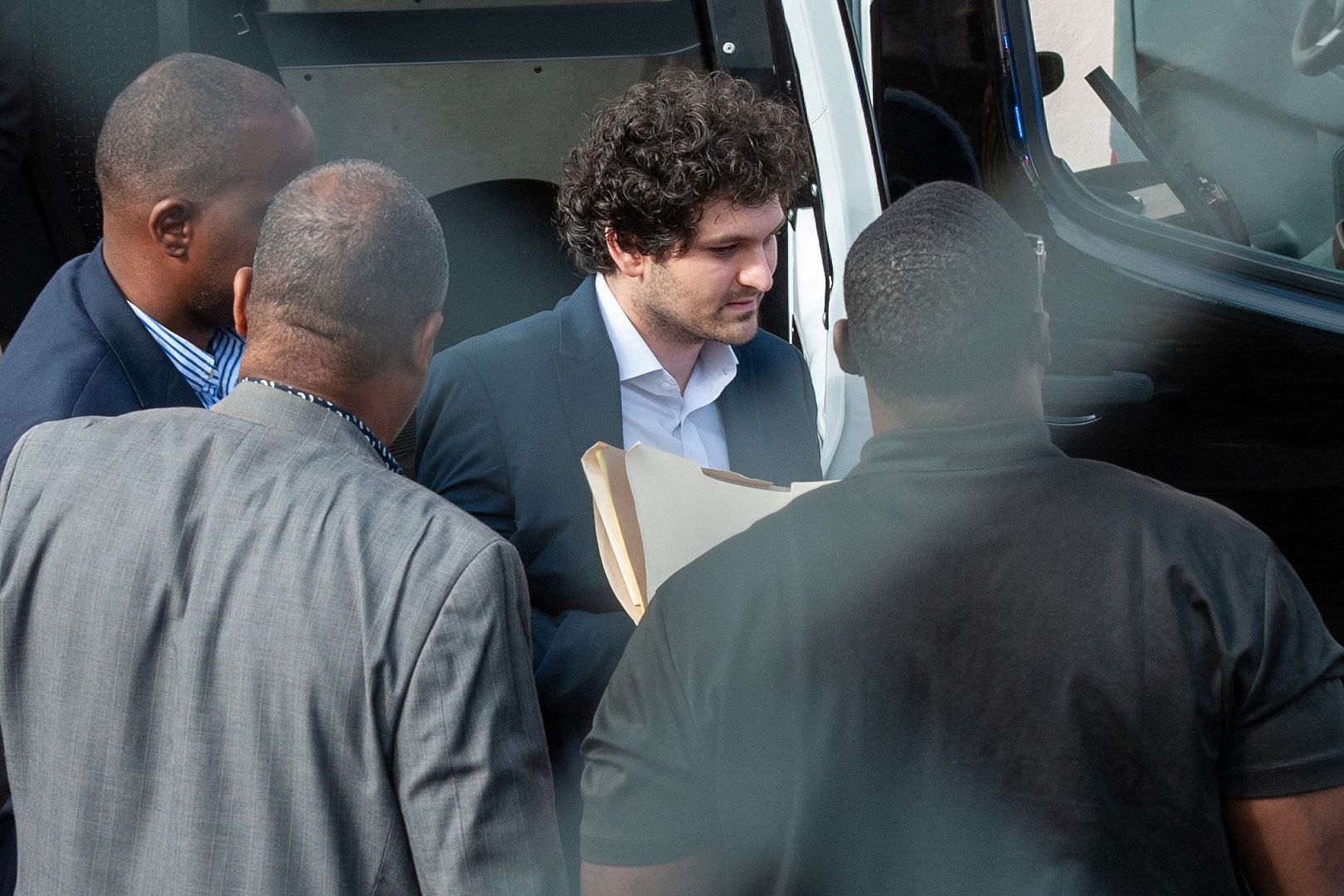
Sam Bankman-Fried, the disgraced founder of the now-defunct FTX cryptocurrency exchange, has formally sought a presidential pardon from former U.S. President Donald Trump. This significant legal maneuver comes as Bankman-Fried is currently serving a substantial 25-year prison sentence following his conviction on multiple fraud and conspiracy charges.
The Clemency Plea
The clemency petition, filed recently, aims to secure an early release or a commutation of his sentence. This request is particularly notable given that Trump, while in office, had a history of issuing pardons for individuals involved in high-profile cases, including some related to the crypto space. However, in Bankman-Fried's specific case, Trump had previously indicated that a pardon was unlikely, making this petition a long shot. The legal process for presidential pardons is complex, involving reviews by the Department of Justice before a recommendation is made to the President. The decision ultimately rests with the President, who has broad authority in such matters. The broader landscape of crypto regulation continues to be a hot topic in Washington, with various legislative efforts underway to define the industry's future, as seen with discussions in Congress regarding new crypto tax legislation.
The Fall of an Empire
Bankman-Fried's conviction stems from the dramatic collapse of FTX in late 2022. Prosecutors successfully argued that he orchestrated a massive fraudulent scheme, misappropriating billions of dollars in customer funds from FTX to support his Alameda Research hedge fund, make risky investments, and fund political donations. The scale of the fraud led to widespread financial losses for countless investors globally. His trial captivated the financial world, culminating in a guilty verdict on seven counts of fraud, conspiracy, and money laundering. The 25-year sentence handed down reflects the severity of the crimes and the significant financial damage inflicted upon victims.
Implications and Precedent
The decision to seek a pardon from Trump, despite his earlier reservations, underscores the desperate measures Bankman-Fried is willing to take. While former presidents have used their pardon power for various reasons, including political considerations, it remains to be seen how this request will be received, especially with a potential presidential election looming. The crypto industry has often found itself at the crossroads of innovation and regulation, with legal frameworks constantly evolving. Discussions about the future of digital asset policy and the role of government oversight continue to shape the environment for companies and individuals in the space, as regulatory bodies like the SEC navigate new challenges. For instance, efforts to clarify legal standings for crypto projects are ongoing, highlighting the evolving nature of the space, such as when Chinese courts declared Bitcoin legal property.
Key Takeaways from the Pardon Request:
- Sam Bankman-Fried has formally filed a clemency petition.
- The request is directed at former President Donald Trump.
- Bankman-Fried is currently serving a 25-year prison sentence.
- Trump had previously expressed skepticism about pardoning SBF.
- The petition seeks an early release or commutation of his sentence.
This development adds another layer to the complex and ongoing saga of Sam Bankman-Fried and the aftermath of the FTX collapse, keeping the spotlight on the intersection of cryptocurrency, law, and politics.