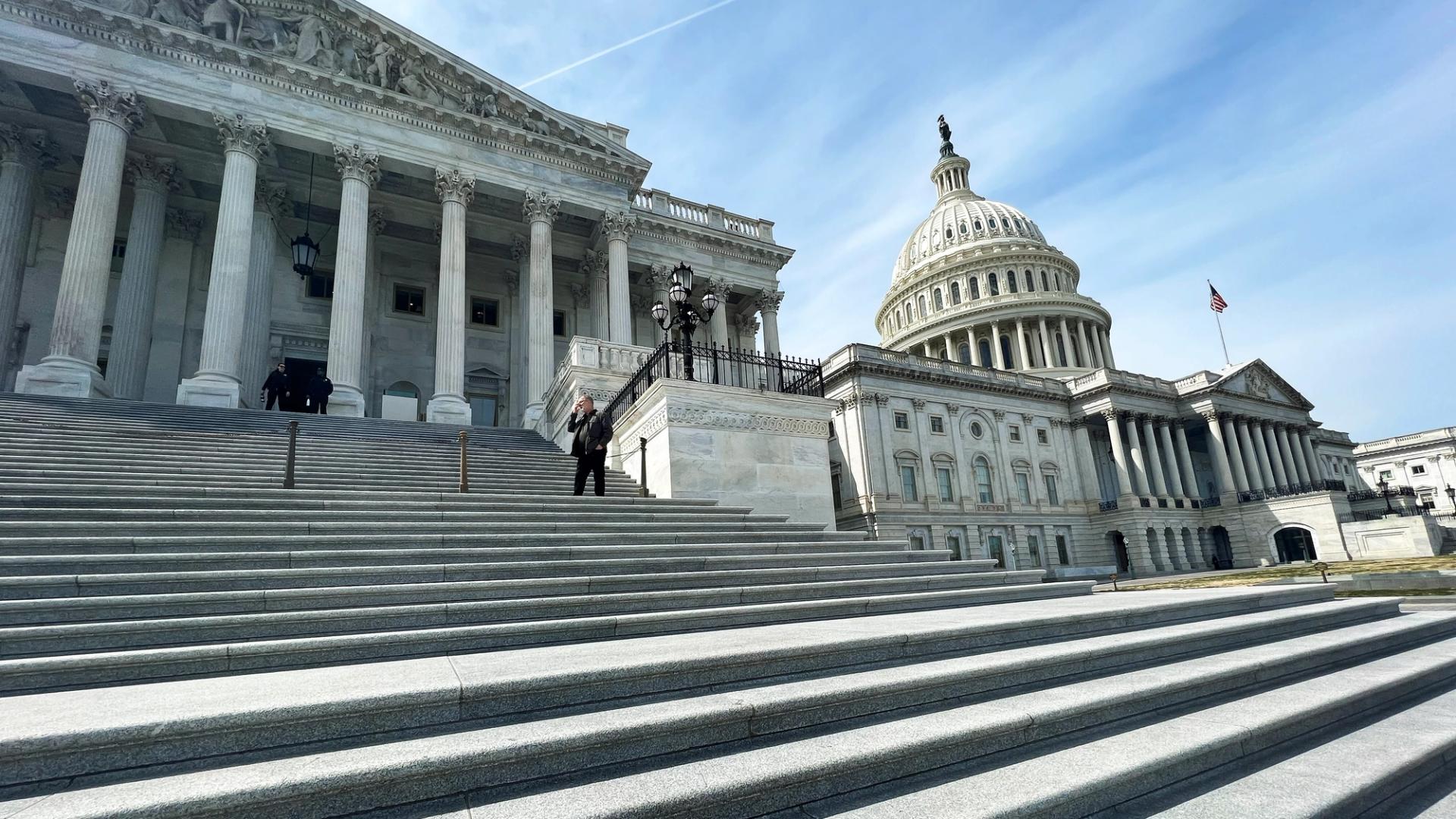
The U.S. House Ways and Means Committee is reportedly intensifying its focus on developing new tax legislation, a move with significant implications for the evolving cryptocurrency landscape. This legislative push signals a growing intent from policymakers to establish clearer guidelines for digital assets, impacting investors, businesses, and the broader crypto economy.
As a central body in the U.S. Congress, the House Ways and Means Committee holds primary jurisdiction over all taxation, tariffs, and other revenue-raising measures. Its decision to prioritize crypto tax bills underscores the increasing mainstream recognition of digital assets and the urgent need for a defined regulatory framework. The current environment often leaves market participants navigating complex and sometimes ambiguous rules, leading to uncertainty and hindering innovation. Clarifying these rules is seen as crucial for both taxpayer compliance and the growth of the industry.
The Push for Clarity in Digital Asset Taxation
For years, the cryptocurrency industry has called for more definitive tax guidance. Existing regulations, often adapted from traditional financial markets, don't always fit the unique characteristics of digital assets, such as NFTs, DeFi protocols, and various token types. This regulatory gap has created challenges for individuals reporting their crypto gains and losses, as well as for businesses operating in the space. The upcoming legislative efforts from the Ways and Means Committee are expected to address some of these ambiguities, potentially defining terms like "broker" for crypto exchanges or clarifying the tax treatment of staking rewards and airdrops.
Past discussions have highlighted various aspects of crypto taxation that require attention. For instance, there have been debates around introducing a "de minimis" exception for small crypto transactions, which would exempt minor gains from being taxed, similar to how foreign currency gains are treated. Such measures could significantly reduce the reporting burden for casual users. The committee's work could also touch upon reporting requirements for exchanges and other intermediaries, aiming to enhance transparency and ensure tax compliance across the board. The broader aim appears to be integrating digital assets more seamlessly into the existing tax system while acknowledging their distinct nature.
What to Expect from New Legislation
The legislative process is often slow and intricate, but the committee's "big tax push" suggests a serious commitment to advancing these bills. While specific details of the proposed legislation are not yet public, previous congressional discussions indicate a focus on several key areas. The cryptocurrency community is keenly awaiting any proposals that could simplify tax reporting, provide clear definitions for different digital asset activities, and potentially differentiate between various types of crypto transactions. This could range from how mining rewards are taxed to the treatment of token swaps and lending protocols.
Key points likely to be addressed include:
- Clearer definitions for digital assets and related activities.
- Updated reporting requirements for exchanges and other platforms.
- Potential "de minimis" exemptions for small capital gains.
- Guidance on the taxation of staking and other yield-generating activities.
- Rules for DeFi and NFT transactions.
The outcome of these legislative efforts will play a critical role in shaping the future of cryptocurrency adoption and innovation in the United States. A well-defined and equitable tax framework could foster greater participation and investment, while overly burdensome regulations could stifle growth. As the House Ways and Means Committee moves forward with its plans, the industry will be watching closely for how these proposals might reshape the regulatory landscape. Previous legislative attempts, such as when the US House debated crypto tax rules and eyed a 'de minimis' exception, indicate ongoing efforts to refine these frameworks. Additionally, the increasing number of legislative proposals, such as when Congress discussed seven new crypto tax bills, highlights the growing attention from lawmakers.