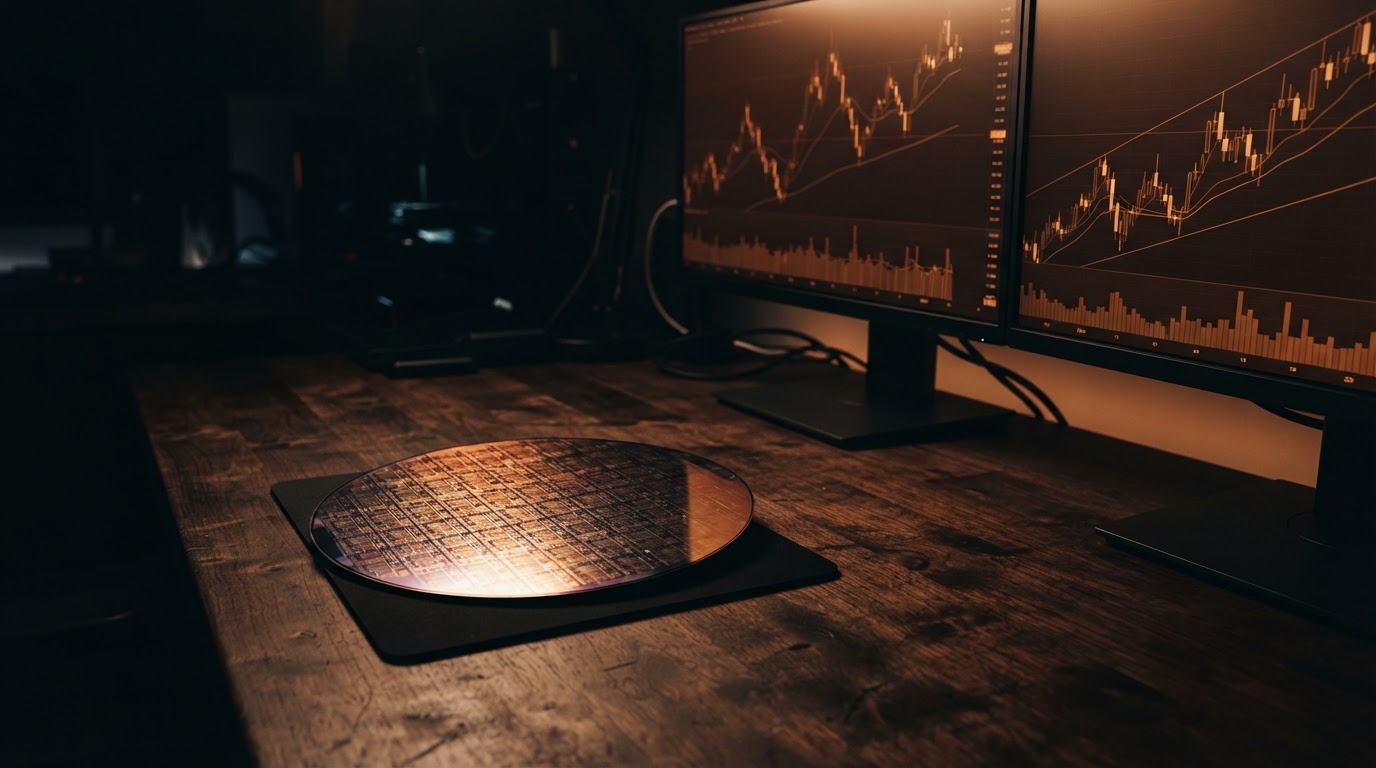
Microsoft recently unveiled its Majorana 2 quantum computing chip, a significant development in the field, claiming it to be 1,000 times more reliable than previous iterations. This breakthrough was notably accelerated by the use of artificial intelligence (AI) in its design and testing phases, highlighting the growing synergy between these advanced technologies.
The announcement from the tech giant has reignited discussions within the cryptocurrency community about the long-term security of digital assets like Bitcoin. While quantum computers are still in their early stages, the rapid progress, exemplified by developments like Majorana 2, raises questions about when these machines might become powerful enough to impact current cryptographic standards.
The Quantum Threat to Bitcoin's Security
Bitcoin's security relies heavily on robust cryptographic algorithms, primarily the Elliptic Curve Digital Signature Algorithm (ECDSA) for transaction signing and SHA-256 for mining and address generation. A sufficiently powerful quantum computer, specifically one capable of running Shor's algorithm, could theoretically break ECDSA, thereby compromising the private keys used to control Bitcoin funds. This would allow an attacker to forge signatures and spend bitcoins from any address.
However, it's crucial to understand that such an attack requires a quantum computer with a massive number of stable qubits—far beyond what currently exists. Experts generally agree that a quantum computer capable of breaking Bitcoin's cryptography is still many years, if not decades, away. The development of quantum-resistant cryptographic methods is also an active area of research, with various projects exploring ways to future-proof digital assets against this emerging threat.
AI's Role in Accelerating Quantum Progress
Microsoft's revelation that AI played a pivotal role in accelerating the development of the Majorana 2 chip underscores a significant trend. AI's ability to process vast datasets and identify complex patterns can dramatically speed up the design, simulation, and error correction processes in quantum computing. This synergy between AI and quantum research could potentially shorten the timeline for achieving more powerful quantum machines.
For the Bitcoin ecosystem, this means staying vigilant and proactive. While the immediate threat remains low, the convergence of AI and quantum computing suggests that future-proofing cryptographic systems is not merely a theoretical exercise but a practical necessity for the long-term integrity of decentralized networks. Innovations like those seen in Microsoft's quantum efforts also highlight the broader impact of advanced computing on various sectors, from finance to scientific research. Bitcoin Miner Hive Digital Pivots to AI, Eyes Canada's Largest Private AI Data Center illustrates how parts of the crypto industry are already engaging with AI advancements.
Key Takeaways:
- Microsoft's Majorana 2 chip boasts 1,000x increased reliability, accelerated by AI.
- Advanced quantum computers could theoretically break Bitcoin's ECDSA cryptography.
- The required quantum computing power for such an attack is still far from current capabilities.
- Research into quantum-resistant cryptography is ongoing to mitigate future risks.
- The synergy between AI and quantum computing is accelerating progress in the field.
While the prospect of quantum computers threatening Bitcoin's security is a long-term concern, it emphasizes the continuous need for cryptographic innovation and adaptability within the digital asset space. The strength of Bitcoin's compute power today dwarfs that of supercomputers, but future challenges necessitate ongoing research and development in cryptography.