Iranian Oil Minister Mohsen Paknejad resigned on Sunday after the country loaded zero crude at its export terminals in September, marking the first such stoppage since the 1979 revolution. President Masoud Pezeshkian accepted the resignation and appointed Hamid Bovard, head of the state oil company, as acting oil minister.
Dwindling Floating Supplies and Currency Collapse
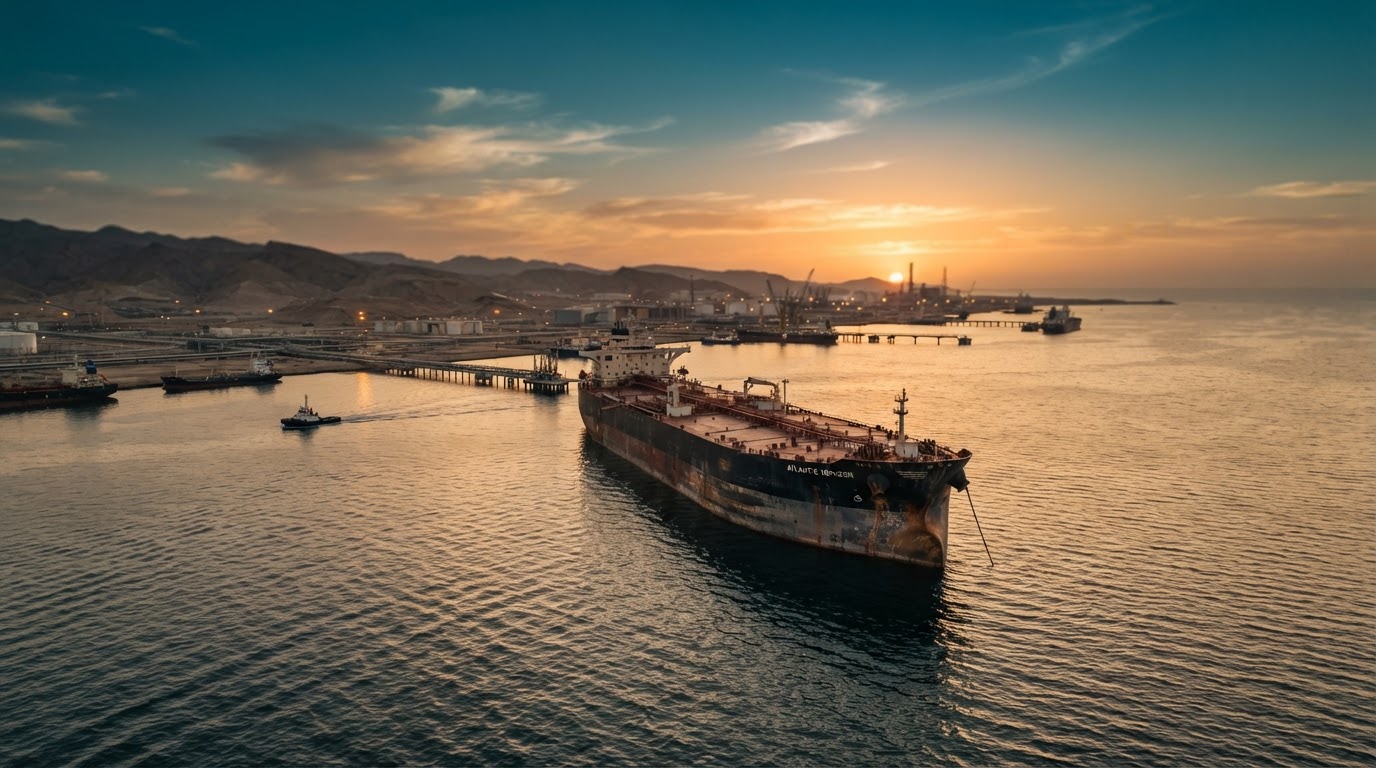
Iranian revenues are currently drawn from oil sold before mid-July, prior to the US Navy reimposing a blockade on Iranian ports. Since the blockade began, Iran has relied exclusively on floating crude stock stored on offshore tankers. According to ship-tracking firm Kpler, this supply dropped from 90 million barrels in mid-July to approximately 29 million barrels by early September, with total exhaustion projected by mid-October.
Oil sales typically account for roughly one-third of Iran's national budget. The sudden halt in shipments coincided with the Iranian rial crashing to a historic low of 2.7 million per US dollar (recorded at 2.69 million). President Pezeshkian noted the extreme friction in repatriating international funds, stating, "We can't even get our own money out of a country to which we've supplied goods." This severe economic strain comes as broader Middle East tensions escalate across global commodity markets.
Strait of Hormuz Transit and Price Dynamics
Data from hormuz.now indicates that only 6 ships per day—around 7% of normal volume—are visibly crossing the Strait of Hormuz, with just 16 visible tankers passing through over the past week. However, Kpler estimates that 13.1 million barrels per day of oil and fuel are still traversing the waterway, representing nearly 80% of pre-war levels.
This hidden volume is managed through alternative logistics: in August, over 70% of crude passing through the strait was transferred via ship-to-ship swaps at sea, while pipelines carried 40% around the choke point. Global benchmark Brent crude traded at $101.93, remaining elevated from its pre-war mid-$60s level.
- Mohsen Paknejad resigned following zero September export terminal loadings, leaving Hamid Bovard as acting minister.
- Offshore crude reserves dropped from 90 million to 29 million barrels, with depletion expected by mid-October.
- The Iranian rial plummeted to a record low of 2.7 million per US dollar.
- Visible Hormuz transit fell to 7%, though total flows remain near 80% via sea swaps and pipelines.
Why It Matters
The complete depletion of Iran's floating oil reserves highlights the severe impact of naval blockades on nations heavily reliant on raw commodity exports. As traditional banking channels and fiat revenue streams freeze, sovereign entities face unprecedented currency devaluation and domestic budget shortfalls. Sustained crude prices above $100 will likely keep global inflationary pressures elevated, driving institutional interest toward alternative neutral reserve assets and decentralized financial settlement networks.