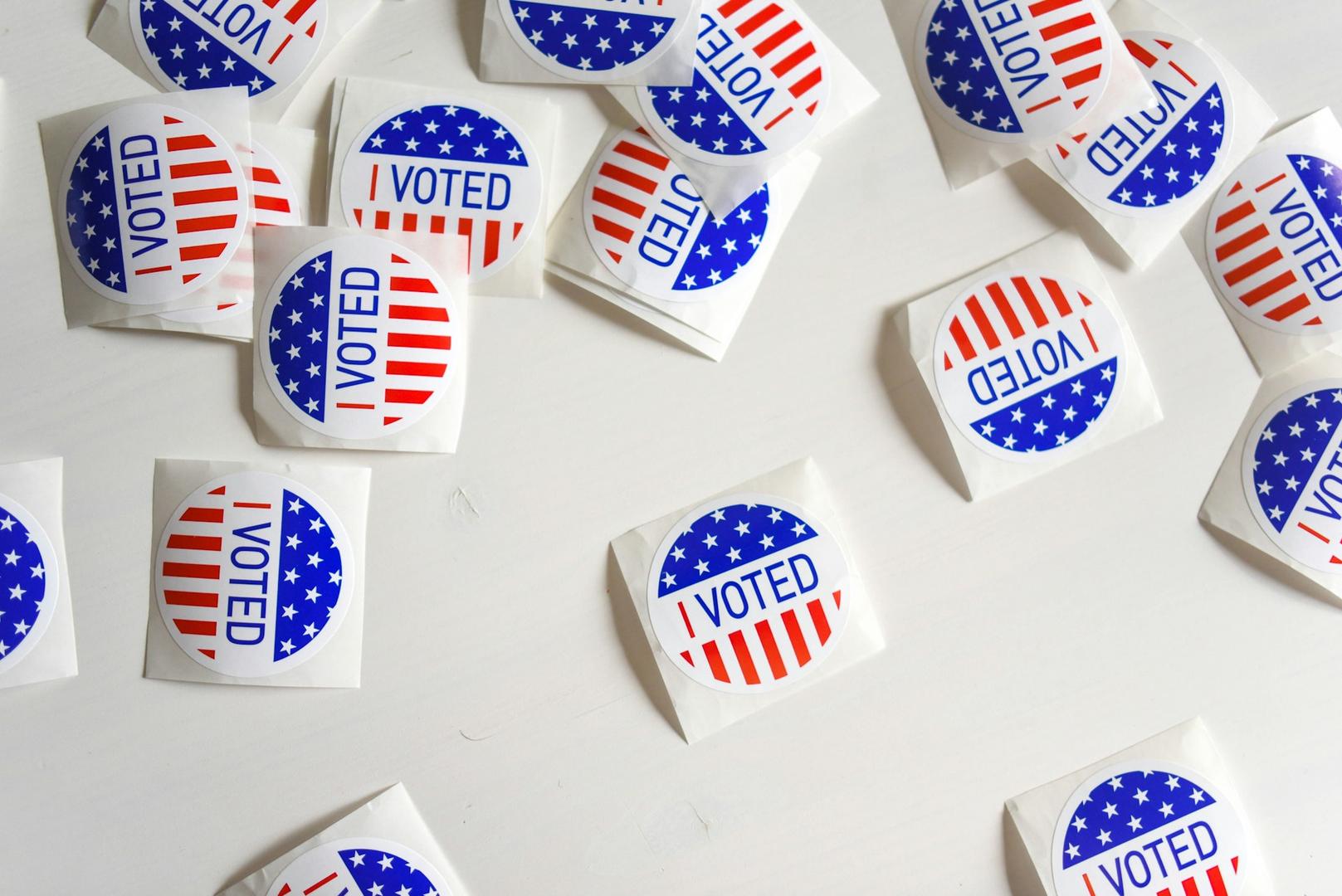
Crypto-focused political action committees (PACs) achieved a perfect track record in the recent June primary elections, successfully backing every candidate they supported. This significant outcome underscores the cryptocurrency industry's growing influence within the American political landscape.
Specifically, Fairshake, a prominent crypto-aligned PAC, played a crucial role in these victories. The organization endorsed a range of candidates, ultimately seeing all of its chosen contenders advance to the general elections. This streak of successes highlights a strategic effort by the crypto sector to foster a more favorable regulatory environment through direct engagement in electoral processes.
A Bipartisan Winning Streak
The primary results demonstrated a notable bipartisan appeal for crypto-friendly candidates. While the victories spanned both major political parties, the majority of successful candidates supported by these PACs were Democrats. Out of eleven total wins, ten were Democratic candidates, showcasing a broad base of support within one of the country's main political factions.
Among the notable Democratic winners were Representatives Zoe Lofgren, Ted Lieu, Dave Min, and Rob Menendez. These individuals secured their primary nominations, often with significant financial backing and campaigning efforts from crypto PACs. On the Republican side, Senator Mike Rounds also emerged victorious, further illustrating the cross-party reach of the industry's political advocacy. This balanced approach, though leaning Democratic in this particular cycle, suggests an ambition to build consensus and support for digital asset innovation across the political spectrum. The substantial investments made by these groups, as previously reported, are clearly yielding tangible results on the electoral front Crypto Political Action Committees Invest Millions in Key US Elections.
Fairshake's Strategic Impact
Fairshake's strategic investments and endorsements appear to be paying off, providing a clear path for candidates who are open to or supportive of cryptocurrency and blockchain technology. The PAC's focus is typically on educating lawmakers and promoting policies that encourage innovation while ensuring consumer protection. Their success in the primaries suggests that their message resonates with voters, or at least that their financial support and organizational efforts are effective in competitive races.
The outcomes of these primaries are particularly important as the United States grapples with establishing clear and comprehensive regulations for the digital asset space. Lawmakers who understand and are sympathetic to the nuances of cryptocurrency are seen as vital for crafting future legislation that could either stifle or accelerate the industry's growth. The victories for these candidates mean that more voices advocating for balanced crypto policy will likely be present in the next congressional session.
Implications for Future Crypto Legislation
The consistent success of crypto PAC-backed candidates sends a strong signal about the increasing political sophistication and influence of the digital asset industry. This trend could lead to a more constructive dialogue around crypto regulation in Washington. Instead of outright bans or overly restrictive measures, there might be a greater push for frameworks that allow for innovation while addressing concerns related to market integrity and investor safety.
Key Takeaways:
- Crypto PACs achieved a 100% success rate in June primaries.
- Fairshake was a significant player, backing all winning candidates.
- Ten out of eleven victories were for Democratic candidates, with one Republican win.
- Successful candidates include Zoe Lofgren, Ted Lieu, Dave Min, Rob Menendez, and Senator Mike Rounds.
- This indicates growing political influence and potential for more favorable crypto legislation.
This electoral success could empower lawmakers to challenge existing regulatory stances or propose new ones. For instance, discussions around issues like the status of various tokens, stablecoin regulation, or even the role of crypto in retirement accounts could gain new momentum US Lawmakers Challenge Department of Labor's Crypto in 401(k) Plans. The industry's ability to mobilize resources and support candidates who align with its vision suggests a maturing ecosystem ready to engage more deeply with traditional political processes. The ultimate goal is to ensure that the U.S. remains a leader in digital asset innovation, rather than falling behind due to an unclear or hostile regulatory environment.