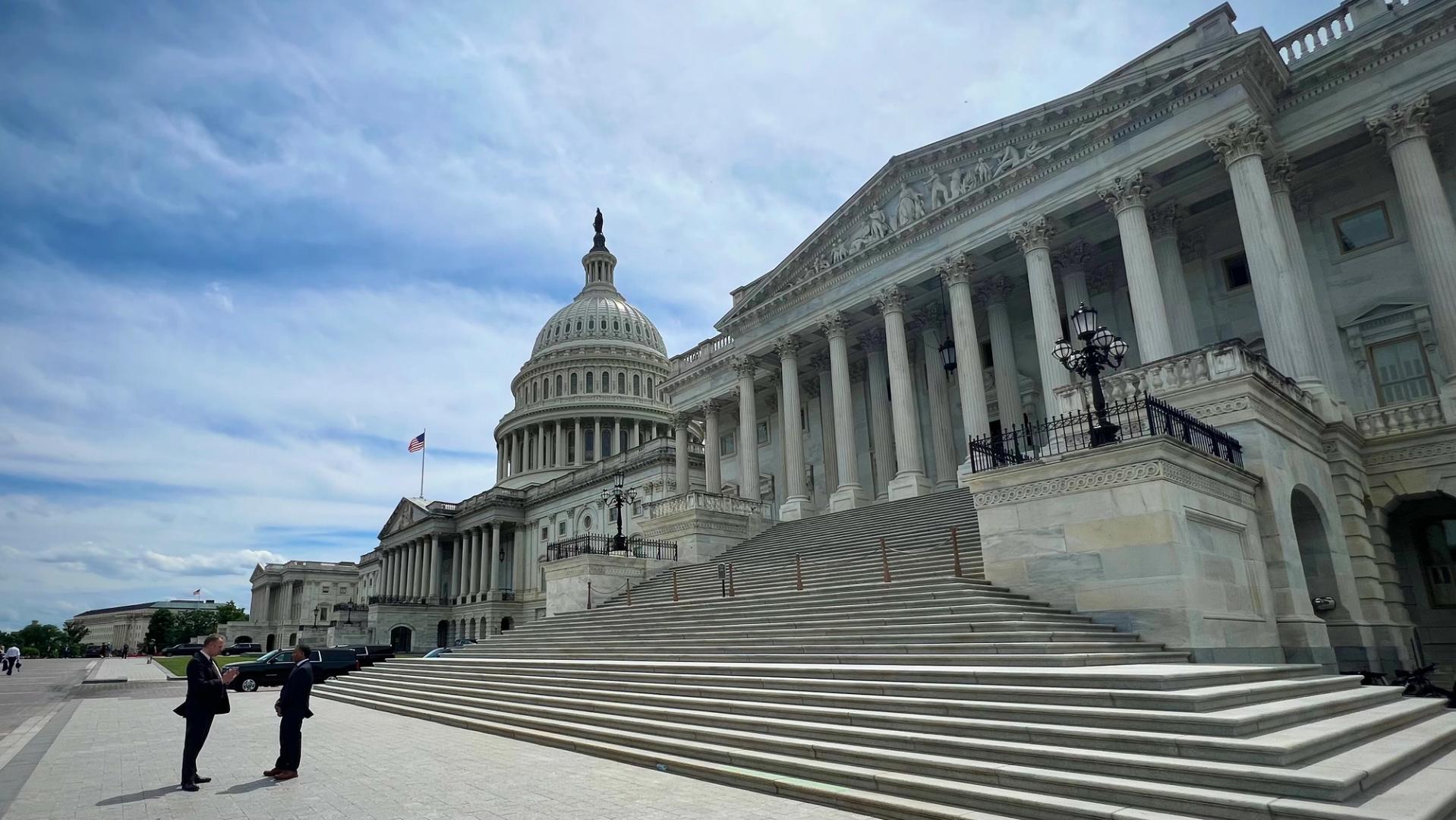
The cryptocurrency sector is bracing for a period of significant regulatory activity, as governments and legal bodies worldwide intensify their focus on digital assets. This summer promises to be a pivotal time, with legislative discussions, new policy proposals, and ongoing legal battles shaping the future landscape for digital currencies and blockchain technology.
Legislative Landscape and Tax Debates
Across various jurisdictions, lawmakers are actively engaged in discussions concerning the taxation of digital assets. These debates aim to establish clearer guidelines for how crypto holdings, transactions, and gains should be reported and taxed, moving away from the often ambiguous rules that have prevailed. The goal is to integrate cryptocurrencies more firmly into existing financial frameworks, ensuring compliance and generating revenue. This increased legislative attention signals a maturing industry that can no longer operate solely outside traditional financial oversight.
The push for clearer tax regulations is a complex undertaking, involving balancing innovation with the need for consumer protection and financial stability. As governments seek to understand the nuances of decentralized finance and various digital asset classes, the outcomes of these debates will significantly influence investment strategies and operational models for crypto businesses. Many in the industry advocate for sensible regulations that foster growth rather than stifle it, emphasizing the need for tailored approaches that acknowledge crypto's unique characteristics. The Securities and Exchange Commission's (SEC) approach to tokenization, for instance, has raised questions regarding long-term stability and regulatory clarity, as detailed in our previous coverage.
CFTC's Focus on Prediction Markets
Adding to the regulatory momentum, the Commodity Futures Trading Commission (CFTC) has put forth a proposal specifically addressing prediction markets. These platforms allow users to bet on the outcomes of future events, ranging from political elections to economic indicators, often using cryptocurrency. The CFTC's move signals a desire to bring these burgeoning markets under official regulatory purview, ensuring fairness, transparency, and preventing manipulation.
The proposal from the CFTC highlights the growing recognition of prediction markets as a significant, albeit often unregulated, part of the broader crypto ecosystem. Regulating these markets could have substantial implications for their design, accessibility, and the types of events on which participants can speculate. While proponents argue that prediction markets offer valuable insights and hedging opportunities, regulators are concerned about consumer protection, market integrity, and potential for illicit activities. This development underscores the expanding scope of regulatory bodies beyond traditional cryptocurrencies to more niche blockchain applications.
Escalating Court Cases and Legal Precedents
Beyond legislative halls and regulatory agencies, the judicial system is also playing a crucial role in defining the crypto space. Numerous court cases involving digital assets are currently "heating up," with significant implications for how crypto businesses operate and how individuals interact with their holdings. These legal battles cover a wide array of issues, from securities law violations and fraud allegations to intellectual property disputes and consumer protection claims. The consequences of such legal actions can be severe, as seen in cases like the Humanity Protocol hack, where legal and regulatory scrutiny followed the breach, as reported in our article on the incident.
The outcomes of these court proceedings are critical because they establish legal precedents that can guide future regulatory actions and industry practices. A recent example of legal action in the crypto space includes Google's lawsuit against a Chinese crime group for alleged phishing scams targeting crypto investors. Such cases demonstrate the ongoing efforts to combat illicit activities and protect users within the digital asset ecosystem. The legal landscape is constantly evolving, and each verdict contributes to a clearer, albeit sometimes more restrictive, framework for the crypto industry.
Key Takeaways
- Lawmakers are actively debating new tax frameworks for digital assets, aiming for clearer guidelines.
- The CFTC has proposed new regulations specifically for prediction markets, signaling broader oversight.
- Numerous court cases are progressing, with their outcomes expected to set important legal precedents for the crypto industry.
- The regulatory focus spans compliance, consumer protection, and market integrity across various crypto applications.
This summer marks a crucial period for the cryptocurrency industry, as it navigates a complex web of legislative, regulatory, and legal challenges. The decisions made and precedents set in the coming months will undoubtedly shape the trajectory of digital assets for years to come.