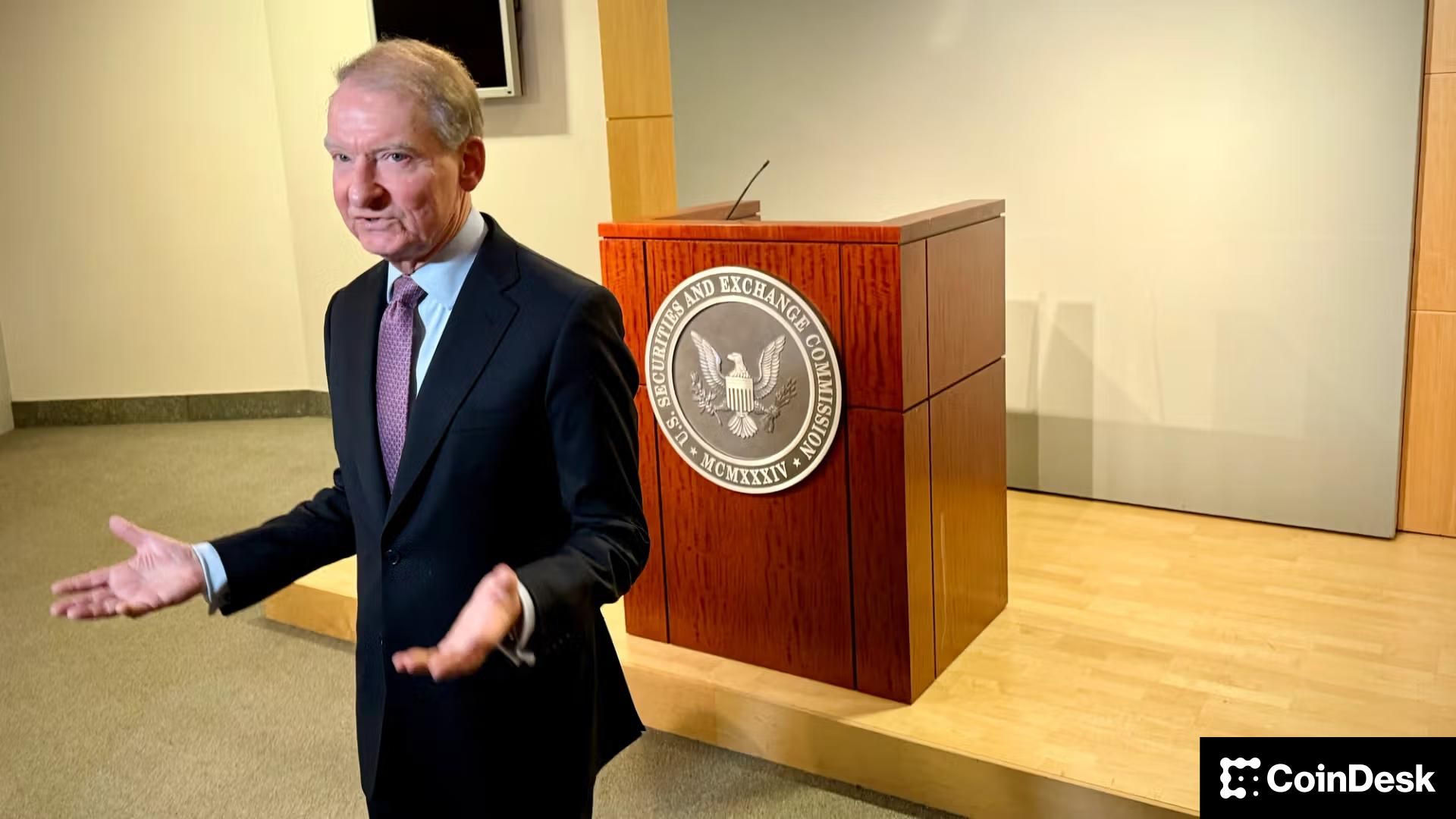
The U.S. Securities and Exchange Commission (SEC) is reportedly exploring the use of exemptions to facilitate tokenization efforts, a move that could streamline the integration of real-world assets onto blockchain platforms. This strategy involves utilizing existing regulatory powers to allow specific innovation projects to proceed without being subject to the full scope of traditional securities law. However, this approach is drawing scrutiny from former SEC legal experts, who suggest it might not provide the robust, lasting clarity that a comprehensive regulatory framework would offer.
While granting exemptions can accelerate innovation by reducing immediate regulatory hurdles, it creates a less stable environment compared to formal rulemaking. A full rule provides explicit guidelines and a predictable legal landscape for all participants, fostering greater confidence and investment. Exemptions, by contrast, can be temporary, conditional, or subject to reinterpretation, potentially leading to uncertainty down the line for projects operating under these waivers.
The Nuance of Regulatory Pathways
The distinction between a rule and an exemption is significant in the legal and financial sectors. A rule is a generally applicable regulation that dictates how entities must operate within a specific domain. It undergoes a public comment period, ensuring broad input and establishing a clear, durable standard. An exemption, conversely, is a specific waiver from an existing rule, often granted on a case-by-case basis for particular circumstances or innovative projects. While exemptions can be agile, they lack the universal applicability and permanence of a formal rule.
For the burgeoning field of tokenization, this difference is crucial. Tokenizing assets—from real estate to commodities and intellectual property—involves converting rights to an asset into a digital token on a blockchain. This process aims to enhance liquidity, transparency, and fractional ownership. However, the legal classification of these tokens as securities remains a contentious issue, making the regulatory approach critical for market development. The market for tokenized treasuries, for example, has seen significant growth, highlighting the need for clear guidance for these emerging financial products. Crypto Trading Shifts as Tokenized Treasuries Surge to $14.6 Billion Amidst CEX Volume Decline underscores the increasing institutional interest and volume in this sector.
Why Full Rules Offer Greater Stability
Former SEC lawyers emphasize that while exemptions can provide a temporary green light for innovative tokenization projects, they do not build the foundational resilience needed for a mature market. A full rule provides:
- Legal Certainty: Clear, comprehensive guidelines reduce ambiguity for all market participants.
- Market Stability: Predictable regulations encourage long-term investment and institutional participation.
- Investor Protection: Explicit rules often include robust safeguards for investors, which can be less comprehensive in an exemption scenario.
- Scalability: A well-defined rule can accommodate the growth of an entire industry, rather than managing individual projects through waivers.
The current discussion around the SEC's approach highlights a broader challenge in regulating rapidly evolving technologies like blockchain and tokenization. The integration of AI with tokenization also presents new opportunities and regulatory considerations. Tokenization and AI Convergence Set to Revolutionize Investing illustrates the potential for these technologies to reshape investment landscapes. While exemptions can serve as a stop-gap measure, the long-term health and growth of the tokenized asset market will likely depend on the establishment of clear, comprehensive regulatory rules.