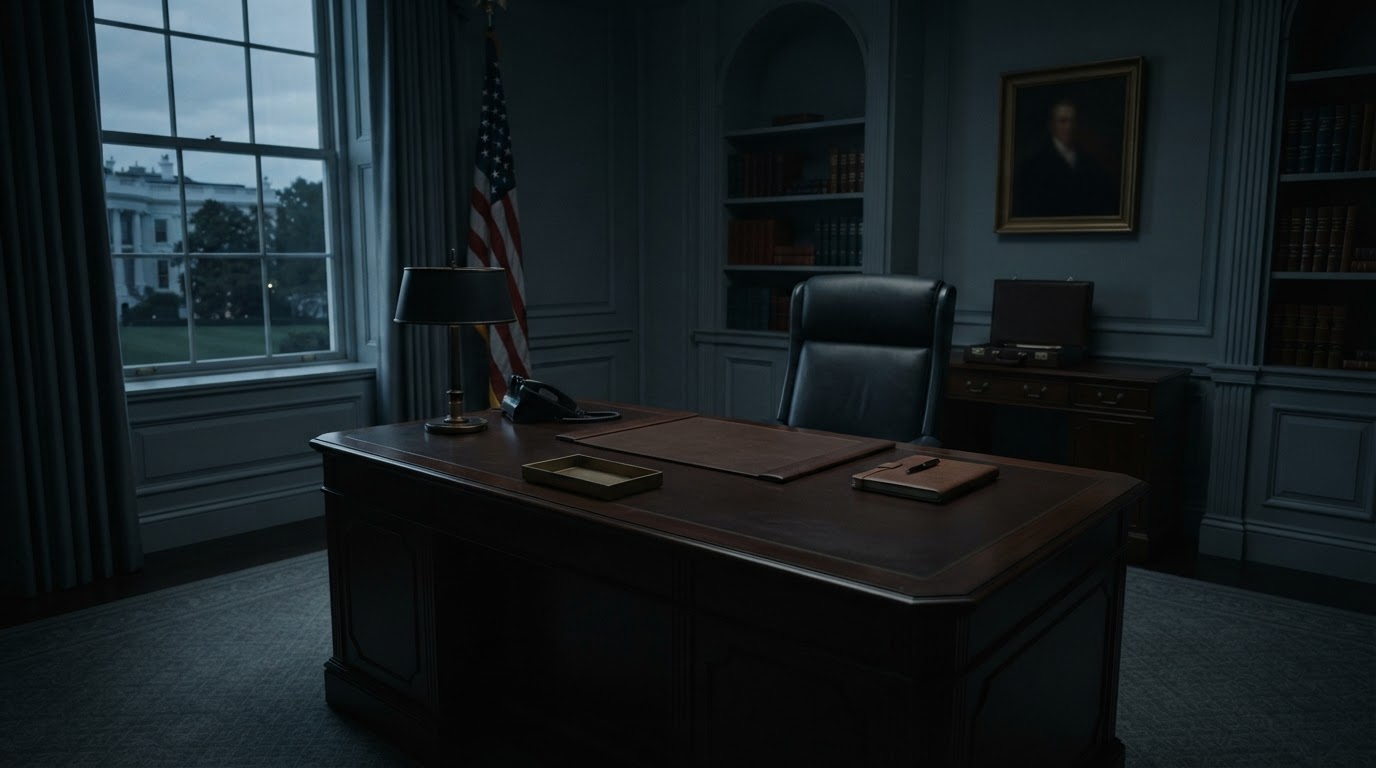
The White House Crypto Council has lost its final staffer after Executive Director Patrick Witt completed his temporary assignment, leaving no official publicly named to manage day-to-day US digital asset policy. The exit, confirmed by the White House on Wednesday in an email to Eleanor Terrett, host of the Crypto America podcast, follows the Senate's failure to pass federal market regulation.
Key Takeaways
- Executive Director Patrick Witt's detail to the White House Crypto Council has expired, leaving the advisory body with zero active staff members.
- Former Deputy Director Harry Jung left in late July, while AI and crypto czar David Sacks stepped down in March.
- The Senate failed to reach the required 60 votes for the CLARITY Act on September 15.
- Law firm DLA Piper projects Congress will not reconsider crypto market legislation before January 2027.
Council Exodus and Stalled Legislation
Witt, a Department of Defense employee who paused his Georgia National Guard service earlier this year, was detailed to the council before taking over as executive director in August 2025 following the exit of its first leader, Bo Hines. A White House official stated, "The White House appreciates his service to the Trump administration and wishes him the best in his future endeavors."
His departure follows a series of exits from the administration's crypto advisory apparatus. Deputy Director Harry Jung departed at the end of July, while David Sacks exited his role as AI and crypto czar in March upon reaching the 130-day limit for special government employees. No replacement was named for Sacks.
The vacant council comes as legislative progress has hit a standstill. On September 15, a key vote on the CLARITY Act fell short of the 60 votes needed to advance in the Senate, despite President Donald Trump hosting a private meeting on the bill's ethics rules days prior. Law firm DLA Piper indicated that Congress may not take up the bill again until January 2027, leaving the Securities and Exchange Commission (SEC) and the Commodity Futures Trading Commission (CFTC) to write crypto rules independently amidst broader regulatory friction and ongoing market headwinds.
Impact on the Strategic Bitcoin Reserve
Prior to his departure, Witt served as the primary public spokesperson regarding the Strategic Bitcoin Reserve, which was established by executive order in March 2025 to manage seized Bitcoin (BTC). In a recent interview with crypto commentator Lark Davis, Witt stated that administration officials were exploring ways to buy additional BTC for the reserve.
Federal holdings have shown recent movement, with blockchain analytics firm Arkham reporting that wallets linked to the US government moved approximately $1 billion in Bitcoin last week. Meanwhile, federal oversight faces ongoing debate as market participants scrutinize regulatory consistency, similar to wider discussions around regulatory standards across financial institutions.
Why It Matters
The total vacancy within the White House Crypto Council underscores a significant pause in top-level executive coordination for digital asset policy in Washington. Without designated administrative staff to bridge executive priorities and Capitol Hill, rulemaking authority shifts back toward independent agency enforcement by the SEC and CFTC. Furthermore, with the CLARITY Act sidelined until 2027, ambitious initiatives like expanded federal Strategic Bitcoin Reserve purchases may encounter operational delays without a dedicated White House advocate.