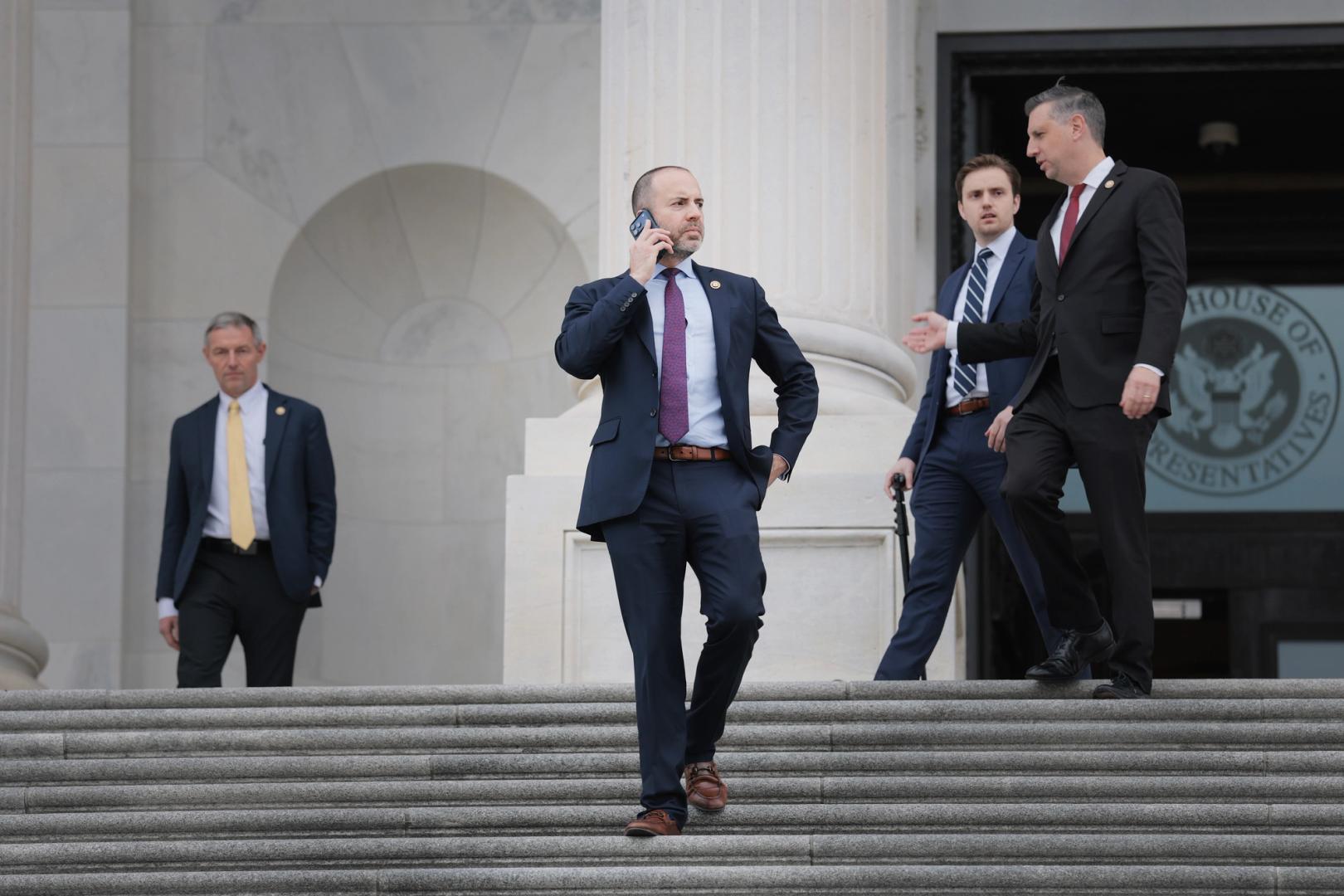
The United States House of Representatives is considering new legislation designed to significantly enhance the federal government's ability to combat cryptocurrency theft. This bipartisan effort seeks to create a specialized task force, operating under the authority of the U.S. Attorney General, to centralize and coordinate responses to digital asset crimes.
The initiative highlights a growing recognition among lawmakers of the unique challenges posed by crypto-related illicit activities. As the digital asset space expands, so too does the sophistication of criminal enterprises targeting crypto holdings, often across international borders. Current law enforcement structures can sometimes struggle with the technical complexities and jurisdictional issues inherent in these cases, leading to fragmented investigations.
Bolstering Federal Response to Digital Asset Crimes
The proposed bill outlines the formation of a multi-agency task force specifically dedicated to cryptocurrency theft. This body would bring together experts from various federal departments and agencies, including those with expertise in financial crime, cybersecurity, and international investigations. The goal is to foster better communication and resource sharing among these entities, creating a more unified and effective front against digital asset criminals.
The legislation underscores a critical need for a coordinated approach. Unlike traditional financial crimes, cryptocurrency theft often involves anonymized transactions, rapidly moving funds, and global networks of perpetrators. This makes tracing stolen assets and apprehending culprits particularly difficult for individual agencies working in isolation. By establishing a central command under the Attorney General, the task force would aim to streamline efforts and accelerate investigations into these complex cases.
The Scope and Impact of the Task Force
The task force's mandate would primarily focus on investigating and prosecuting cases of cryptocurrency theft. This includes, but is not limited to, hacks of exchanges, individual wallet compromises, and scams designed to trick users into parting with their digital assets—cases that can range from sophisticated corporate breaches to individual scams like the one involving a teen crypto scammer arrested after a $13 million fraud. The bill's sponsors believe that a dedicated unit will not only improve the success rate of investigations but also deter future criminal activity by demonstrating a stronger federal commitment to protecting digital asset owners.
This move comes amidst broader discussions about how governments worldwide are grappling with the regulatory and enforcement aspects of the crypto market. For instance, concerns about illicit finance have led to calls for expanded anti-money laundering measures, particularly in areas like stablecoins, as seen with banking groups pushing for expanded AML rules on stablecoin secondary markets. The proposed task force is a direct response to the operational challenges posed by crypto crime, aiming to provide law enforcement with the tools and coordination needed to keep pace with evolving threats.
Key aspects of the proposed task force include:
- Centralized Authority: Operating under the U.S. Attorney General for unified leadership.
- Multi-Agency Collaboration: Bringing together diverse federal law enforcement and intelligence agencies.
- Focus on Theft: Specifically targeting the investigation and prosecution of cryptocurrency theft.
- Enhanced Deterrence: Aims to reduce crypto crime through more effective enforcement.
- Expertise Development: Fostering specialized knowledge within government to tackle complex digital asset cases.
Implications for the Crypto Ecosystem
For the cryptocurrency industry, the creation of such a task force could have several significant implications. On one hand, it signals a more serious commitment from the U.S. government to addressing crime in the digital asset space, which could potentially increase user confidence and legitimacy for the broader market. Enhanced security and a reduced risk of theft might encourage wider adoption among institutions and retail investors alike.
On the other hand, increased law enforcement scrutiny could also bring additional pressure on crypto businesses to enhance their own security protocols and cooperate more closely with authorities. This reflects a global trend where governments are increasingly seeking to establish clear frameworks for digital assets, moving beyond initial hesitation to active engagement in both regulation and enforcement. This proactive stance is designed to protect consumers and maintain financial integrity in the rapidly evolving world of digital finance.