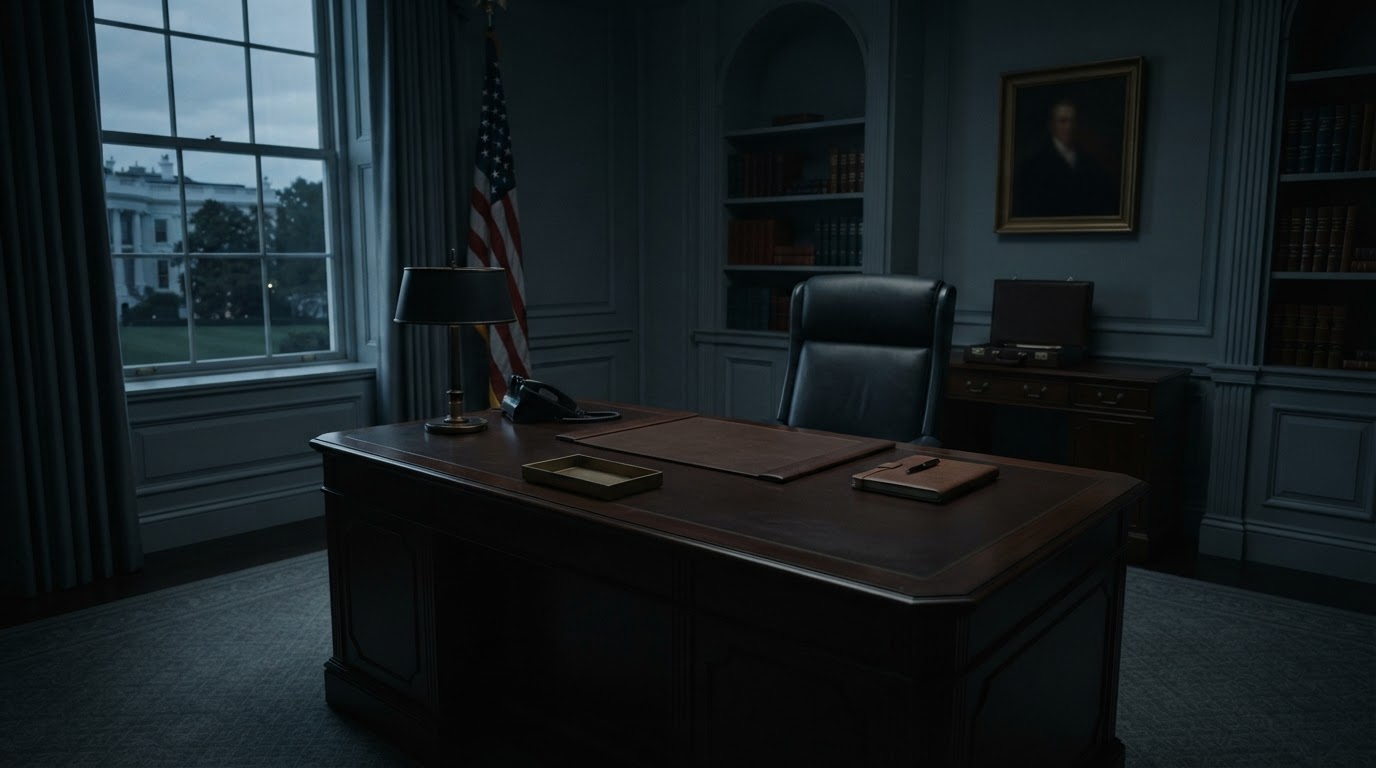
A temporary ban on a U.S. central bank digital currency (CBDC), included within a bipartisan housing bill, is scheduled to take effect at midnight tonight, despite President Donald Trump's refusal to sign the legislation. The bill's enactment marks a significant, albeit temporary, legislative step concerning the potential introduction of a digital dollar in the United States.
Legislative Action on CBDCs
The specific measure, integrated into a broader bipartisan housing bill, introduces a temporary prohibition on the development, piloting, or implementation of a U.S. government digital dollar. This legislative action reflects the ongoing and often contentious debates within Washington regarding the potential implications of a CBDC. Proponents often argue that a digital dollar could modernize payment systems, enhance financial inclusion, and reinforce the dollar's global standing. However, a vocal contingent of critics, including many lawmakers, express significant concerns about privacy, potential government surveillance, and the impact on the existing commercial banking sector. The inclusion of this ban in a housing bill underscores the varied legislative avenues through which crypto-related policies are being addressed.
Presidential Stance and Bill Enactment
President Donald Trump publicly declined to sign the comprehensive housing bill that contains the CBDC ban. Despite the President's refusal, the legislation is set to become law. Under the U.S. Constitution, if the President neither signs nor vetoes a bill within ten days (excluding Sundays) while Congress is in session, the bill automatically becomes law. The bill's scheduled enactment at midnight confirms its passage, effectively instituting the temporary CBDC prohibition. This sequence of events highlights the intricate dynamics between the executive and legislative branches when addressing novel policy areas like digital currencies. This development occurs amid a broader political landscape where discussions around digital asset regulation continue to evolve, as seen with ongoing efforts like the CLARITY Act aimed at providing regulatory certainty for the crypto industry.
Why it Matters
This temporary ban signals a cautious and somewhat skeptical approach by U.S. lawmakers toward a central bank digital currency, reflecting deep-seated concerns about its potential impact on individual privacy and the existing financial infrastructure. While the prohibition is temporary, its enactment could set a significant precedent for future legislative actions, influencing the pace and scope of digital dollar discussions. It may also inadvertently steer innovation towards private stablecoins or other decentralized solutions if the path for a government-backed digital currency remains unclear or restricted. This move emphasizes the political complexities surrounding the future of digital finance in the U.S.
Key Takeaways
- A temporary ban on a U.S. government digital dollar is scheduled to take effect at midnight tonight.
- The prohibition is part of a broader bipartisan housing bill.
- The bill will become law despite President Donald Trump's refusal to sign the legislation.
- This action reflects ongoing legislative and executive branch debates regarding CBDCs in the United States.
- The temporary ban highlights concerns over privacy and the financial system's stability.