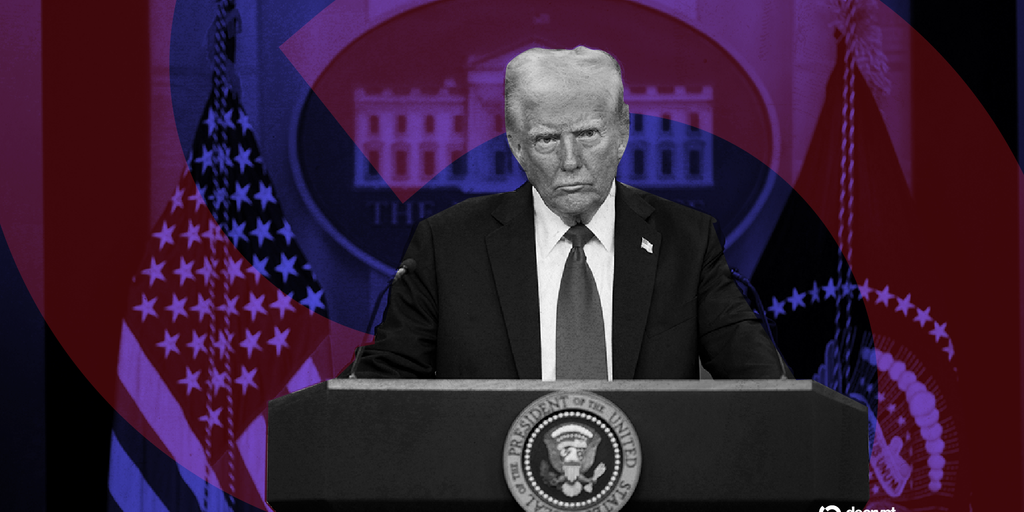
Former President Donald Trump has officially signed an executive order aimed at regulating artificial intelligence, a move that was reportedly delayed due to national security concerns related to China. This significant step marks a proactive approach by a major global power to manage the rapidly evolving AI landscape.
Establishing an AI Oversight Framework
The executive order introduces a voluntary framework designed to guide the development and deployment of advanced AI models. This framework seeks to ensure that cutting-edge AI technologies are developed responsibly, with an emphasis on safety and ethical considerations. While not immediately mandatory, the initiative signals a clear intent to establish standards for a technology with far-reaching implications.
The order also places a strong focus on enhancing AI-powered cybersecurity efforts. Recognizing the potential for AI to both protect and exploit digital systems, the directive aims to leverage AI to bolster national security infrastructure against sophisticated cyber threats. This includes encouraging innovation in secure AI systems and fostering collaboration between government and private sectors to address emerging vulnerabilities.
Addressing Geopolitical Concerns and Innovation
Reports indicate that the signing of this executive order was initially postponed due to China-related concerns. These concerns likely revolve around the competitive landscape of AI development between the United States and China, as well as the potential dual-use nature of advanced AI technologies for both civilian and military applications. The administration sought to balance the need for domestic innovation with safeguarding national interests in a rapidly advancing technological race.
The order underscores the importance of maintaining America's leadership in AI while simultaneously mitigating potential risks. It aims to strike a balance between fostering innovation and implementing necessary safeguards. This approach is similar to how other regulatory bodies are looking at emerging tech, such as the efforts by the NYDFS and EBA to form an alliance for global stablecoin regulation, which also seeks to create a balanced environment for growth and security.
Key Directives of the AI Executive Order
The executive order outlines several key areas of focus:
- Voluntary Safety Framework: Encouraging developers of powerful AI models to share safety test results and critical information with the government.
- Cybersecurity Enhancement: Utilizing AI to identify and counter cyber threats, while also protecting critical infrastructure.
- Talent Development: Investing in AI education and training to build a skilled workforce.
- Privacy Protection: Directing agencies to develop guidance on how AI can be used to protect personal data.
- Promoting Innovation: Ensuring the U.S. remains a global leader in AI research and development.
The broader implications of such regulatory moves extend to various sectors, including the cryptocurrency space, where AI is increasingly being integrated into trading strategies, DeFi applications, and security protocols. For instance, the growing interest in AI is also reflected in major tech investments, as seen with Google's $80 billion AI investment, highlighting the significant capital flows into this sector. The intersection of AI and blockchain technology is also becoming a hot topic, with projects like Titan Network securing tech giants for crowdsourced AI computing.
The executive order represents a foundational step in establishing a national strategy for artificial intelligence. Its voluntary nature suggests an initial cautious approach, aiming to gather data and foster collaboration before potentially implementing more stringent regulations. The long-term impact on technological development, national security, and global competitiveness will be closely watched.