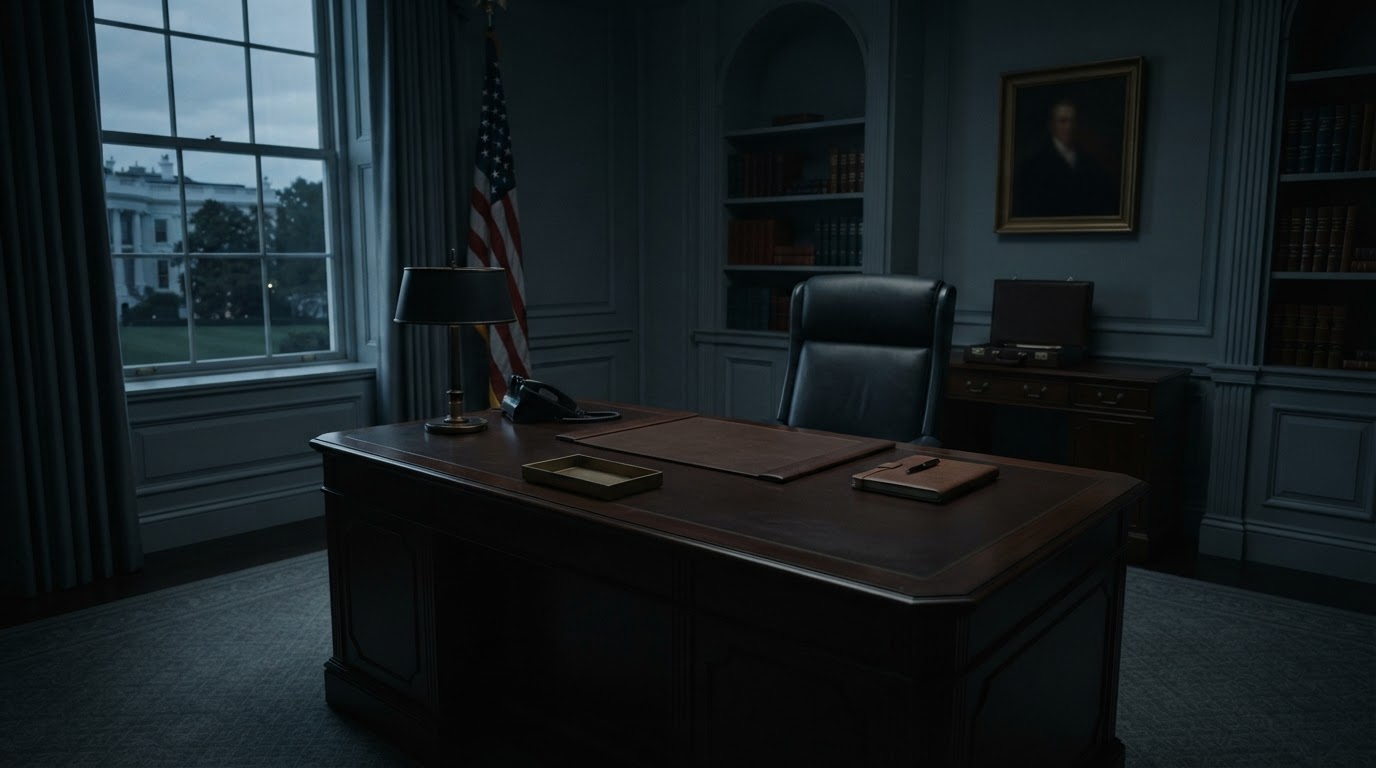
President Donald Trump and House Speaker Mike Johnson are slated to meet with technology executives on September 29 to discuss artificial intelligence (AI), following growing tension between safety advocates and cybersecurity leaders. The scheduled talks come as the Trump administration signals a tough stance on federal liability protections for developers.
Key Takeaways
- President Donald Trump and House Speaker Mike Johnson will hold an AI summit with tech executives on September 29.
- Anthropic researcher Jacob Coxon resigned earlier this month, while colleague Evan Hubinger estimated a greater than 10% chance of human extinction from AI within a decade.
- Anthropic, OpenAI, and Google continue releasing frontier models despite calls from Dario Amodei, Sam Altman, and Elon Musk to pace development.
- Treasury Secretary Scott Bessent rejected a federal liability shield for AI developers on Monday.
Safety Debates and Commercial Skepticism
The upcoming meeting arrives during heightened internal friction across major AI labs. Earlier this month, researcher Jacob Coxon resigned from Anthropic, alleging that both Anthropic and OpenAI were failing to act responsibly. Meanwhile, his colleague Evan Hubinger placed the odds of AI causing human extinction within ten years at over 10%. Following these developments, Anthropic CEO Dario Amodei published an essay advocating for a slower pace of AI capability expansion, a stance supported by OpenAI CEO Sam Altman and SpaceX CEO Elon Musk.
However, industry executives have publicly challenged the motive behind calls to slow progress. Palo Alto Networks CEO Nikesh Arora criticized the initiative on X and told CNBC that frontier labs are using safety concerns as a stealthy commercial tactic to secure regulatory sympathy and avoid legal liability. Dismissing the 10% extinction figure as highly improbable, Arora stated, "I think more than likely that some people will jump the gun, and you'll have still people developing at the frontier, which means we shouldn't try and stop the frontiers because they're the most responsible people."
Continued Model Launches and Regulatory Pressure
Despite calls for caution, AI developers have maintained a rapid release schedule. On September 22, Anthropic launched Claude Opus 5.5, its first post-essay model, which underwent testing by external evaluators including METR. The company's recent regulatory scrutiny follows broader government oversight, including when a federal appeals court upheld a Pentagon blacklist against Anthropic. The same day, OpenAI released GPT-6 Sol and Luna, extending its GPT-6 series after launching GPT-6 Astra on September 4. Similarly, Google released Gemini 3.8 Live and Gemini 3.8 Live Extended Thinking on September 15, while DeepMind executive Koray Kavukcuoglu confirmed that Gemini 4 has entered post-training.
Simultaneously, government officials are defining boundaries for developer accountability. On Monday, Treasury Secretary Scott Bessent stated that AI creators must take direct responsibility for their systems rather than relying on federal liability shields. This regulatory posture occurs against a backdrop of global security warnings, such as when Australia's prime minister warned of AI threats. No official guest list or agenda has been released for the September 29 meeting.
Why it matters
The convergence of top political leaders and AI CEOs highlights an escalating clash between proactive safety limits and aggressive market competition. As the Treasury Department denies broad liability immunity, AI firms face increasing legal exposure for system failures while continuing to ship powerful frontier models. The outcome of the September 29 discussions will signal whether Washington intends to impose binding safeguards or allow market dynamics to dictate the pace of AI deployment.