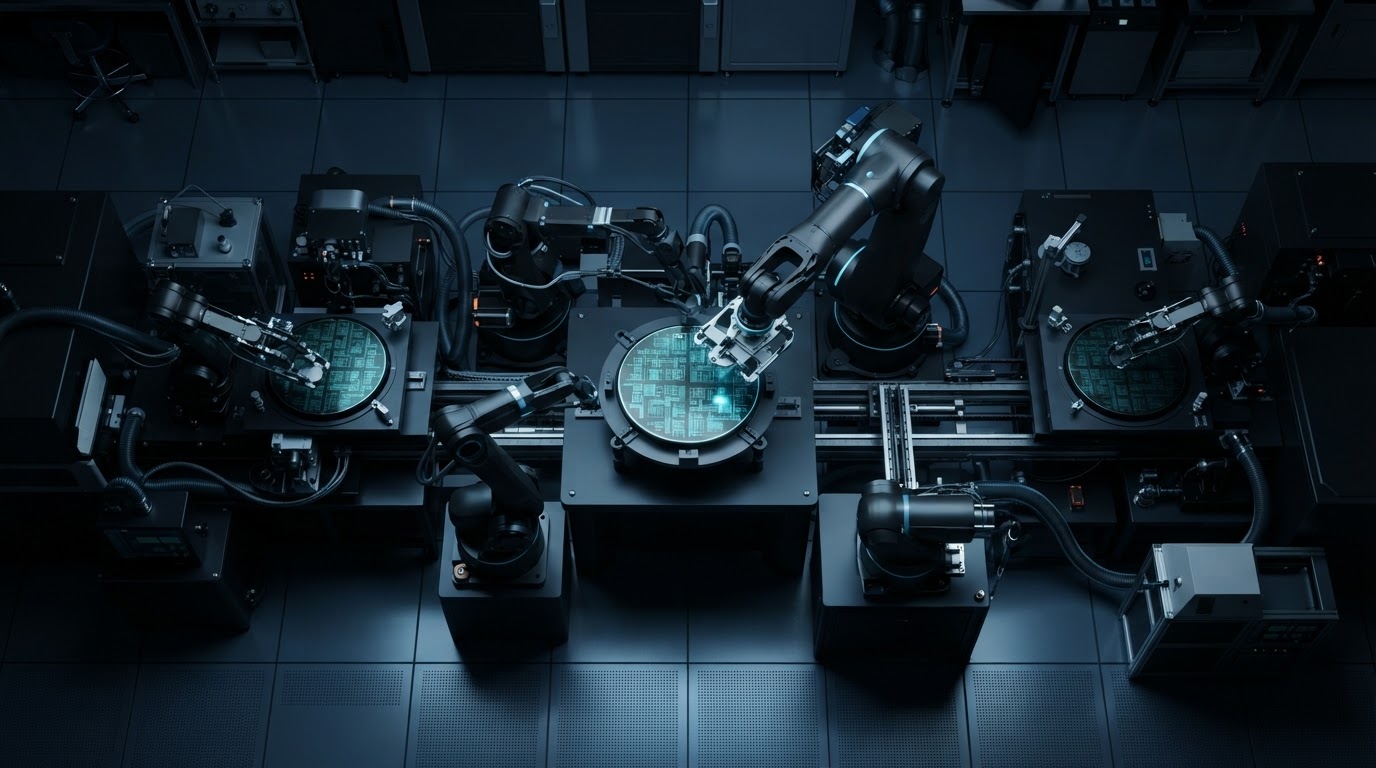
Tether, the company behind the largest stablecoin USDT, has significantly deepened its involvement in the robotics sector by leading a substantial funding round for NEURA, a firm specializing in humanoid robotics. This strategic investment underscores Tether's expanding vision beyond digital currencies, aiming to integrate its technological prowess into the burgeoning field of artificial intelligence and physical automation.
Tether's Strategic Investment in Robotics
The funding round for NEURA has reportedly exceeded $1 billion, with Tether playing a pivotal role as the lead investor. This move signals a strong belief from Tether in the future of AI-driven robotics and its potential to revolutionize various industries. The investment is not merely financial; it's a strategic partnership designed to merge blockchain and AI capabilities.
NEURA plans to incorporate Tether's advanced wallet technology and artificial intelligence (AI) solutions directly into its robotic platforms. This integration is set to enable innovative functionalities, primarily focusing on autonomous payment systems and sophisticated on-device computing for robots. Imagine robots capable of independently conducting transactions or processing complex data without constant human oversight. This vision aligns with the broader trend of integrating digital assets into emerging technologies, such as seen with Mastercard's exploration of AI agents for autonomous payments.
The Future of Autonomous Payments and AI
The integration of Tether's wallet technology into NEURA's robots could pave the way for a new era of economic interactions involving autonomous machines. Robots equipped with these capabilities could manage their own finances, pay for services, or even earn income, operating seamlessly within a digital economy. This development could accelerate the adoption of stablecoins in real-world applications, extending their utility beyond traditional financial transactions.
Furthermore, Tether's AI technologies will empower NEURA's robots with enhanced processing capabilities directly on the device. This "on-device computing" reduces reliance on cloud-based systems, potentially improving efficiency, security, and response times for robotic operations. It also opens up possibilities for more complex and intelligent robotic behaviors, as well as the potential for AI-driven customer experiences, which could further drive stablecoin demand in the market.
Key Takeaways
- Tether leads a $1 billion+ funding round for NEURA, a humanoid robotics firm.
- NEURA will integrate Tether's wallet and AI technologies.
- This partnership aims to enable autonomous payments and on-device computing for robots.
- The initiative highlights Tether's expansion into AI and robotics, beyond just stablecoins.
- It signifies a move towards robots with independent financial and processing capabilities.
This collaboration between a major stablecoin issuer and a cutting-edge robotics company represents a significant step towards the convergence of blockchain, AI, and physical automation. It suggests a future where robots are not just tools, but active participants in the digital economy, capable of managing their own financial interactions through integrated digital wallets and intelligent processing. This could redefine how we interact with technology and how value is exchanged in an increasingly automated world.