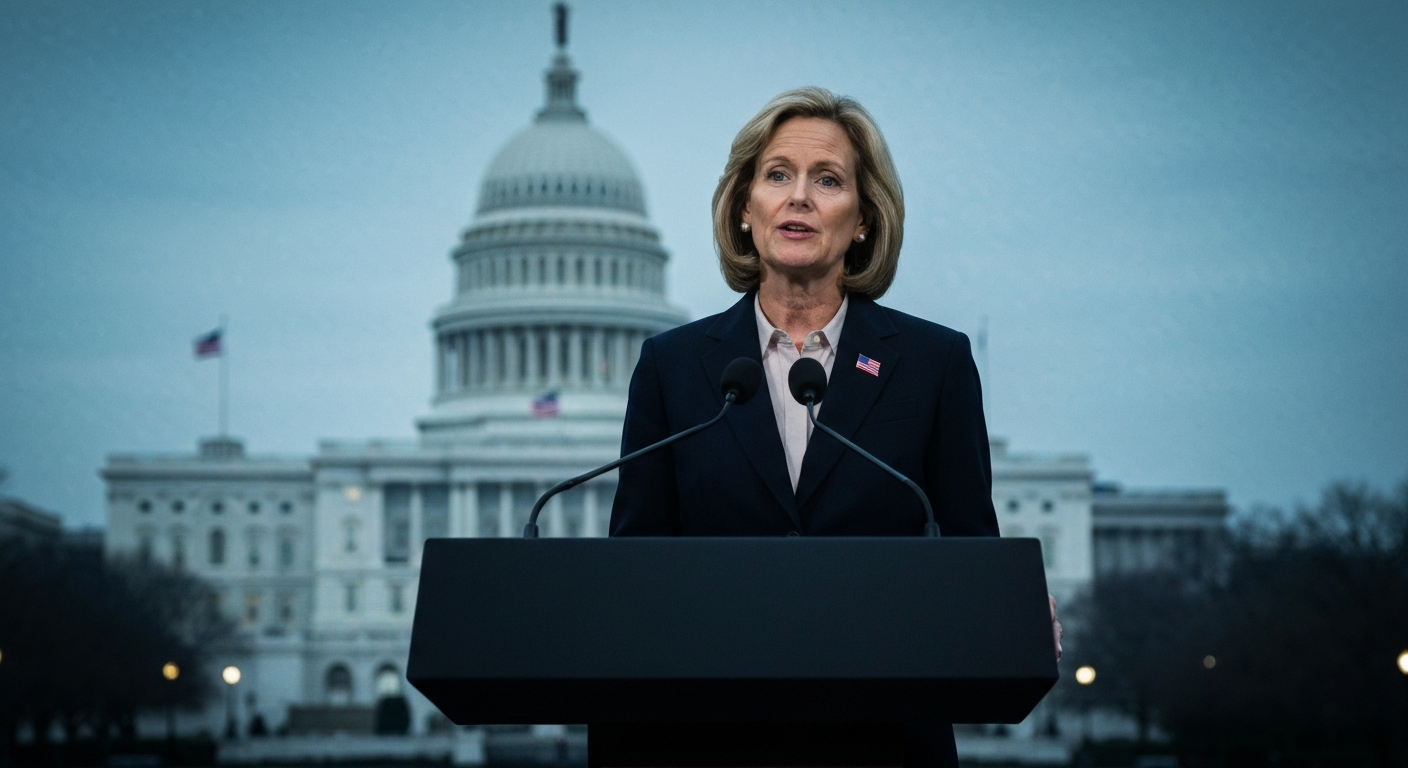
Senator Kirsten Gillibrand has introduced a new proposal aimed at preventing members of Congress, the US president, and their spouses from issuing or sponsoring their own digital assets. The proposed restriction seeks to address potential conflicts of interest within the rapidly evolving cryptocurrency landscape.
Proposed Restrictions on Digital Asset Issuance
Under the proposed measure, Senator Gillibrand aims to establish clear ethical boundaries for public officials regarding their involvement with digital assets. Specifically, the ban would prohibit these individuals from creating or actively endorsing their own cryptocurrencies or tokens. This move comes as the digital asset market continues to expand, raising questions about how public figures' financial interests might intersect with their legislative or executive duties.
The initiative by Senator Gillibrand underscores a growing concern among lawmakers about the ethical implications of public officials leveraging their positions for personal gain in the crypto sector. The explicit inclusion of spouses in the proposed restriction highlights an attempt to close potential loopholes that could allow indirect participation. This follows previous discussions and scrutiny regarding public officials' crypto holdings and their potential influence on policy decisions. For instance, there have been instances where high-profile political figures have disclosed significant crypto holdings, sparking debates about transparency and potential conflicts. Senator Gillibrand herself previously addressed questions regarding her son's crypto ventures amid broader regulation talks. Similarly, past reports have highlighted substantial crypto earnings disclosed by figures such as Donald Trump while in office, further illustrating the need for clear guidelines.
Why it Matters
This proposal marks a significant step towards establishing stricter ethical guidelines for US elected officials in the digital asset space. By directly targeting the issuance and sponsorship of personal digital assets, it aims to bolster public trust and prevent situations where public office could be perceived as being used for private financial benefit. The outcome of this proposal could set a precedent for how governments worldwide regulate the intersection of public service and emerging financial technologies, influencing future policy on official conduct within the crypto economy.
Key Takeaways
- Senator Kirsten Gillibrand has proposed a ban on members of Congress, the US president, and their spouses from issuing or sponsoring their own digital assets.
- The restriction aims to mitigate potential conflicts of interest for public officials in the crypto space.
- The proposal specifically targets the creation and endorsement of personal cryptocurrencies or tokens by these individuals.