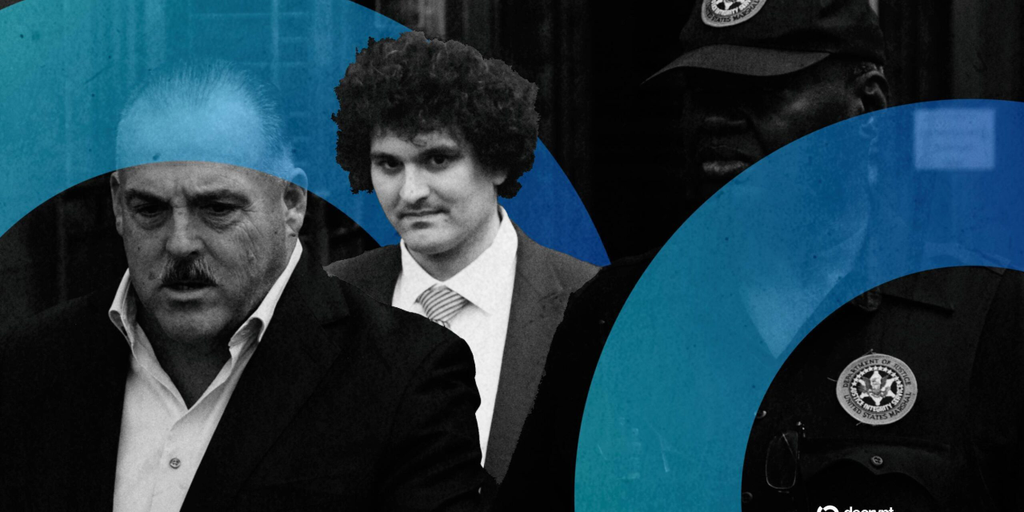
The legal avenues for Sam Bankman-Fried, the founder of the collapsed cryptocurrency exchange FTX, are significantly narrowing. A federal appeals court has upheld his fraud conviction, affirming the robust judgment against him. This decision leaves a presidential pardon as his last remaining potential path to freedom from a substantial prison sentence.
Bankman-Fried was found guilty on seven counts of fraud and conspiracy last year, stemming from the misuse of customer funds at FTX and its sister trading firm, Alameda Research. The court's recent ruling reinforces the earlier verdict, which highlighted a scheme that led to billions in losses for investors and customers. The legal system has consistently found his actions to be criminal, rejecting his attempts to overturn the conviction.
Appeals Court Affirms Conviction
The U.S. Court of Appeals for the Second Circuit recently affirmed the conviction of Sam Bankman-Fried. This ruling means that the initial jury verdict, which found him guilty of orchestrating one of the largest financial frauds in history, stands. The appellate court's decision underscores the strength of the evidence presented during the trial, which detailed how customer deposits were diverted from FTX to Alameda Research for speculative investments, political donations, and luxury real estate.
This affirmation is a critical development, as it largely exhausts the standard judicial appeals process for Bankman-Fried. The original conviction and subsequent sentencing to 25 years in prison were significant milestones in the cryptocurrency industry's regulatory landscape, sending a clear message about accountability. You can read more about the court's decision in our previous coverage: Appeals Court Upholds Sam Bankman-Fried's FTX Fraud Conviction.
The Quest for a Presidential Pardon
Following the appeals court's decision, Bankman-Fried has reportedly applied for a presidential pardon. This extraordinary measure represents his final hope outside of the judicial system. A presidential pardon would effectively commute his sentence or absolve him of the conviction, though such actions are rare, particularly for high-profile financial crimes of this magnitude. The process typically involves a review by the Department of Justice's Office of the Pardon Attorney, followed by a recommendation to the President.
Historically, presidential pardons are often granted in the final stages of a president's term or for cases involving unique circumstances. Given the scale of the FTX collapse and the widespread impact on victims, a pardon for Bankman-Fried would undoubtedly be met with significant public and political scrutiny.
Key Takeaways
- Sam Bankman-Fried's fraud conviction has been upheld by a federal appeals court.
- This decision solidifies his guilt in the FTX and Alameda Research scandal.
- He has now applied for a presidential pardon, his final non-judicial recourse.
- A pardon would be an exceptional outcome for a financial crime of this scale.
The unfolding legal saga of Sam Bankman-Fried continues to be a focal point for the crypto community and regulators alike, emphasizing the ongoing efforts to ensure accountability and consumer protection within the digital asset space.