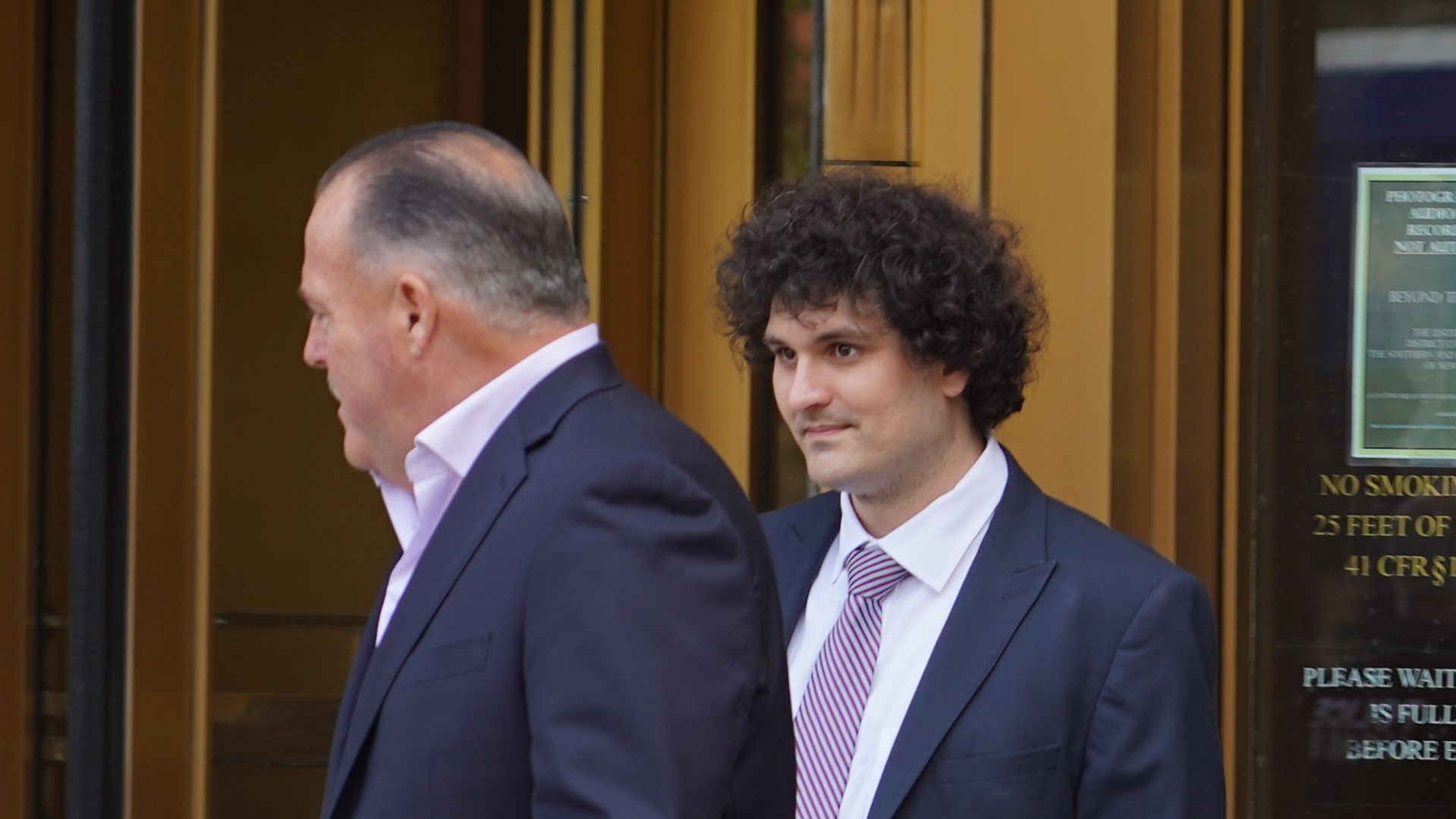
A federal appeals court has upheld the criminal conviction of Sam Bankman-Fried, the former CEO of the now-defunct cryptocurrency exchange FTX. The ruling confirms the initial verdict where Bankman-Fried was found guilty on multiple counts of fraud and conspiracy.
The appeals panel dismissed claims that his trial was unfair, thereby rejecting his bid to challenge the outcome. This decision marks another significant development in one of the most high-profile legal cases within the digital asset industry, solidifying the legal standing of the initial jury's findings against him.
The Basis of the Original Conviction
Bankman-Fried's conviction stemmed from his role in the collapse of FTX and its sister trading firm, Alameda Research. Prosecutors successfully argued that he orchestrated a massive scheme to defraud customers and investors, diverting billions of dollars from FTX customer funds to Alameda Research for speculative investments, political donations, and personal expenditures. The trial highlighted a complex web of financial mismanagement and deception that ultimately led to the downfall of what was once a leading crypto exchange.
His defense team had contended that his actions, while potentially mismanaged, did not constitute criminal intent. They argued that the rapid growth and complex nature of the crypto industry contributed to the firm's collapse, rather than deliberate fraudulent activity. However, the jury sided with the prosecution, leading to convictions on all counts.
Implications of the Appeal's Rejection
The appeals court's decision reinforces the legal system's stance on accountability within the crypto sector. It sends a clear message that executives overseeing digital asset platforms will be held to traditional financial laws and regulations. This outcome could influence future regulatory approaches and enforcement actions, potentially leading to increased scrutiny for other crypto companies.
For Sam Bankman-Fried, this ruling means the original conviction stands, and the legal process has affirmed the initial judgment. The rejection of his appeal underscores the severity of the charges and the evidence presented during the trial. This case continues to be a landmark event for legal precedent in the evolving digital finance landscape, impacting how future cases involving crypto fraud might be handled.
Key Takeaways from the Appeal Decision:
- The appeals court affirmed Sam Bankman-Fried's conviction for fraud and conspiracy.
- His arguments regarding an unfair trial were rejected by the panel.
- The ruling reinforces legal accountability for executives in the crypto industry.
- This outcome sets a significant precedent for future crypto-related legal challenges and regulatory oversight, similar to broader efforts against financial crimes like those seen in instances where authorities dismantle large crypto laundering rings.
This case has been closely watched by the financial world and the crypto community alike, serving as a stark reminder of the legal consequences associated with operating without proper oversight and ethical conduct. The ongoing scrutiny of crypto operations is evident in various regulatory actions, from specific company lawsuits like when KuCoin faced renewed legal action to broader discussions on digital asset oversight.