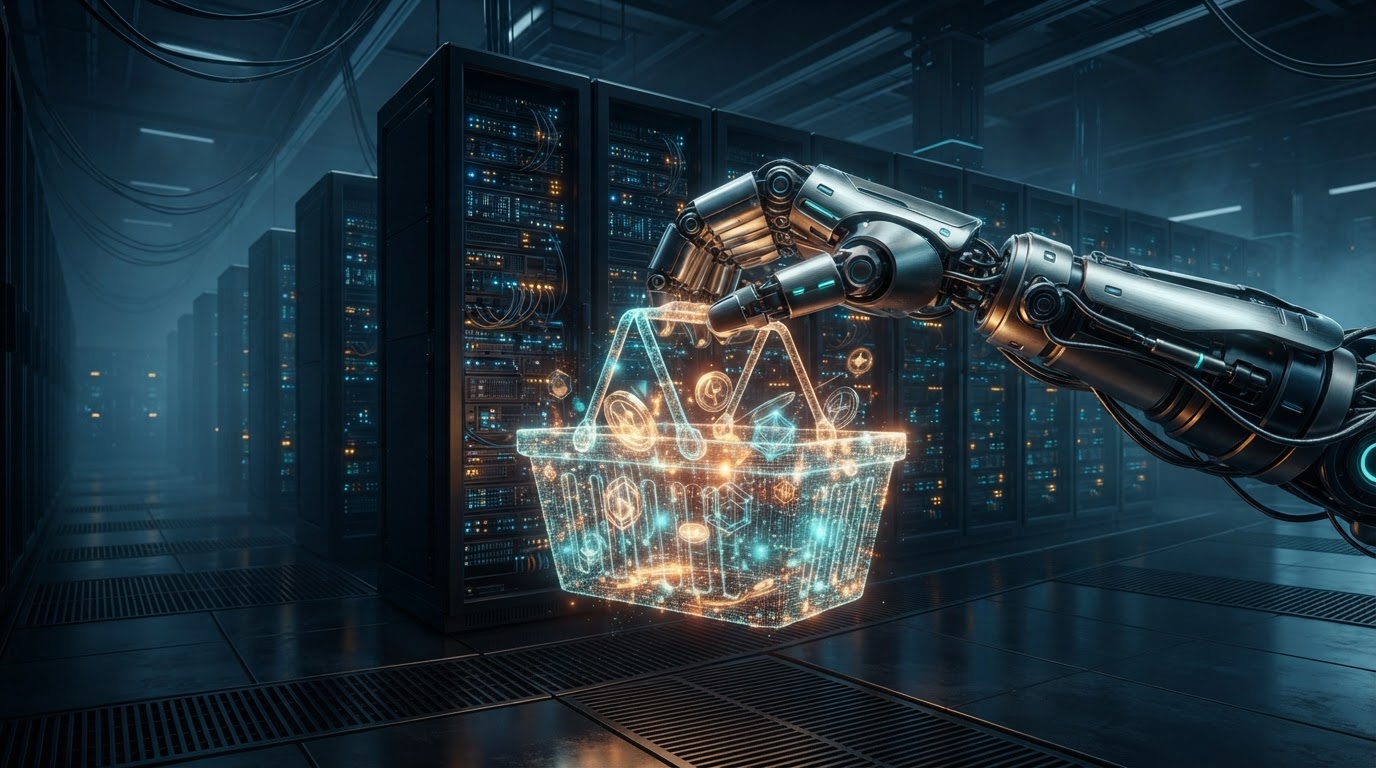
Y Combinator co-founder Paul Graham stated that Amazon's restrictions on third-party AI shopping agents represent the greatest opening for a rival e-commerce startup since the retail giant was founded in 1994, a view publicly endorsed by Tesla CEO Elon Musk on October 8, 2026.
Graham argued that consumer demand for autonomous purchasing assistants is growing, and shoppers will ultimately reject platform-enforced restrictions that limit which software can act on their behalf. Elon Musk amplified the statement by quote-posting Graham's claim with a single word: "Seriously."
Paul Graham and Elon Musk Highlight E-Commerce Opportunity
According to Graham, any platform that enforces usage restrictions against automated tools implicitly proves that strong user demand exists for those tools. He posited that as consumer reliance on automated software expands, buyers will prefer neutral third-party agents over proprietary platform tools. In response to skeptics citing Amazon's massive logistics network, catalog scale, and capital reserves, defenders of Graham's thesis note that shifting consumer habits frequently alter structural market advantages.
The commentary comes as tech figures including Elon Musk continue to shape debates around artificial intelligence deployment across major consumer platforms.
Amazon Blocks Meta, Google, and OpenAI Shopping Agents
The dispute centers on concrete enforcement actions taken by Amazon in recent months. In September, Amazon cut off Meta's Muse AI agent, citing violations of its Conditions of Use. Amazon claimed that Muse failed to identify itself properly and appeared to store user credentials. Meta disputed the characterization, stating that Muse cannot access or view user passwords or payment details.
Reporting from GeekWire confirmed that Amazon has also taken steps to restrict AI shopping agents developed by Google and OpenAI. Simultaneously, Amazon operates its own native shopping agent, Buy for Me, which self-identifies to systems and allows individual brands to opt out. Industry analysts point out that Amazon earned over $68 billion in advertising revenue last year—a business model that depends heavily on human users manually browsing and scrolling through web pages.
Legal tensions surrounding automated access are also escalating. In August, the Ninth Circuit federal court of appeals overturned Amazon's injunction against Perplexity's shopping agent. Despite legal challenges, retailers face ongoing questions regarding whether autonomous bots act as helpful customer representatives or restrictive market gatekeepers.
Key takeaways from the unfolding dispute include:
- Paul Graham claims Amazon's agent bans create the first major startup opening to challenge the company since 1994.
- Elon Musk endorsed Graham's analysis on October 8, 2026, drawing widespread attention to the debate.
- Amazon restricted Meta's Muse AI agent in September, alongside tools from Google and OpenAI.
- The retailer generated more than $68 billion in advertising revenue last year, which relies on direct human page traffic.
- In August, the Ninth Circuit court of appeals overturned Amazon's legal injunction against Perplexity's agent.
Why It Matters
As AI agents increasingly automate consumer purchasing, rigid platform gatekeeping threatens traditional ad revenue models that rely on manual scrolling and sponsored placements. If buyers prefer independent software over native tools like Amazon's Buy for Me, restrictive platforms risk losing direct relationships with customers. Amid broader market shifts and concerns around AI tech expansion, this friction could accelerate the development of agent-friendly commerce protocols, opening a window for novel startups to capture market share from legacy retail gatekeepers.