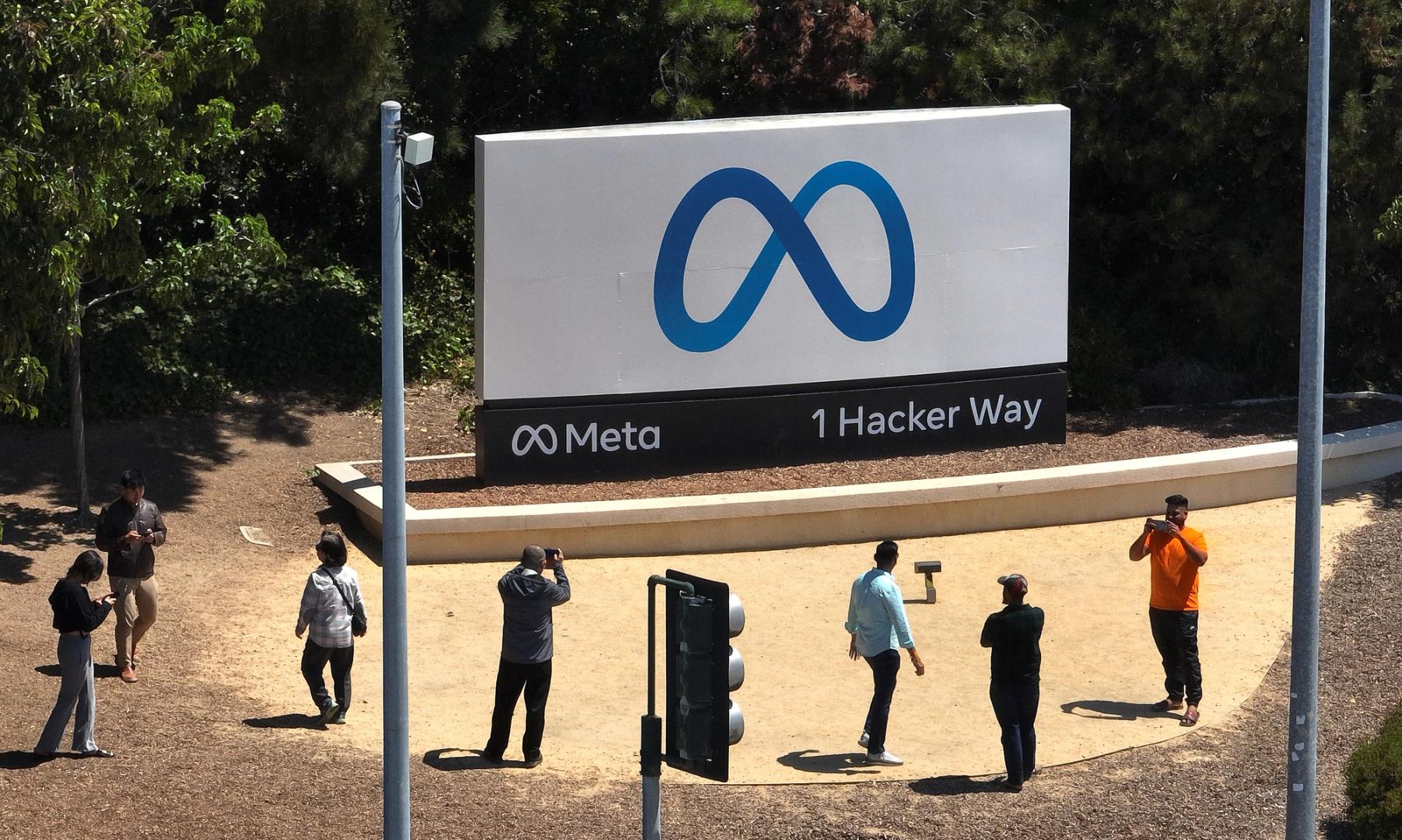
Meta, the technology giant behind platforms like Facebook and Instagram, has initiated a program to compensate some of its creators using the USDC stablecoin. This significant move by a mainstream company underscores the growing acceptance of stablecoins as a legitimate and efficient method for international financial disbursements, while simultaneously bringing into sharp focus a persistent challenge within the cryptocurrency ecosystem: the smooth and efficient conversion of digital assets into usable local currency.
Meta's Endorsement of Stablecoins
Meta's decision to utilize USDC, a stablecoin pegged to the US dollar, marks a notable milestone in the evolution of digital payments. By choosing a stablecoin, Meta is leveraging the inherent benefits that these digital assets offer for cross-border transactions, such as enhanced speed and potentially lower fees when compared to traditional banking rails. This endorsement from a company of Meta's global scale provides substantial validation for the role stablecoins can play beyond speculative trading, pushing them further into practical, everyday commercial applications.
For content creators worldwide, particularly those operating in regions characterized by volatile local currencies or limited access to conventional banking services, receiving compensation in a stable digital dollar can offer greater financial predictability and quicker access to their earnings. This practical application of USDC demonstrates a tangible utility for decentralized finance (DeFi) tools in mainstream commerce, showing how they can empower individuals globally.
The Persistent Off-Ramp Problem
Despite the clear advantages offered by stablecoin disbursements, the journey from a digital asset to spendable fiat currency remains a significant hurdle for many. While receiving USDC into a digital wallet can be straightforward, the subsequent process of converting it into local cash or depositing it into a traditional bank account can often be complex, costly, and time-consuming for a large segment of users. This critical step, often referred to as the "off-ramp" problem, involves navigating various cryptocurrency exchanges, understanding fluctuating fees, and complying with diverse local financial regulations.
The cryptocurrency industry is actively working on innovative solutions to bridge this gap, aiming to create a seamless user experience where stablecoins can be spent or converted as effortlessly as conventional money. However, until these solutions become universally accessible and user-friendly, the full promise of stablecoins as a truly global and friction-less payment rail will remain partially unfulfilled. While some platforms, such as Travala, are integrating USDC for direct payments, the fundamental need for efficient fiat conversion persists for many users.
Key Takeaways
- Meta's adoption of USDC validates stablecoins for mainstream payment disbursements.
- Stablecoins offer speed and lower costs for cross-border transactions.
- The primary challenge remains converting digital dollars to local currency efficiently.
- Improved "off-ramp" solutions are crucial for wider stablecoin adoption.
- This move signifies a step towards DeFi integration into traditional business models.
Meta's initiative underscores a dual reality: stablecoins are increasingly recognized as powerful tools for global commerce, yet the underlying infrastructure for their practical, everyday use still requires significant development. The focus now shifts to innovators and financial institutions to simplify the transition from digital assets to the traditional financial system. This will ensure that the full benefits of stablecoins are realized by everyone, not just those deeply familiar with crypto, aligning with broader trends in tokenized assets and digital currency as seen with efforts by America's largest banks launching tokenized deposit networks.