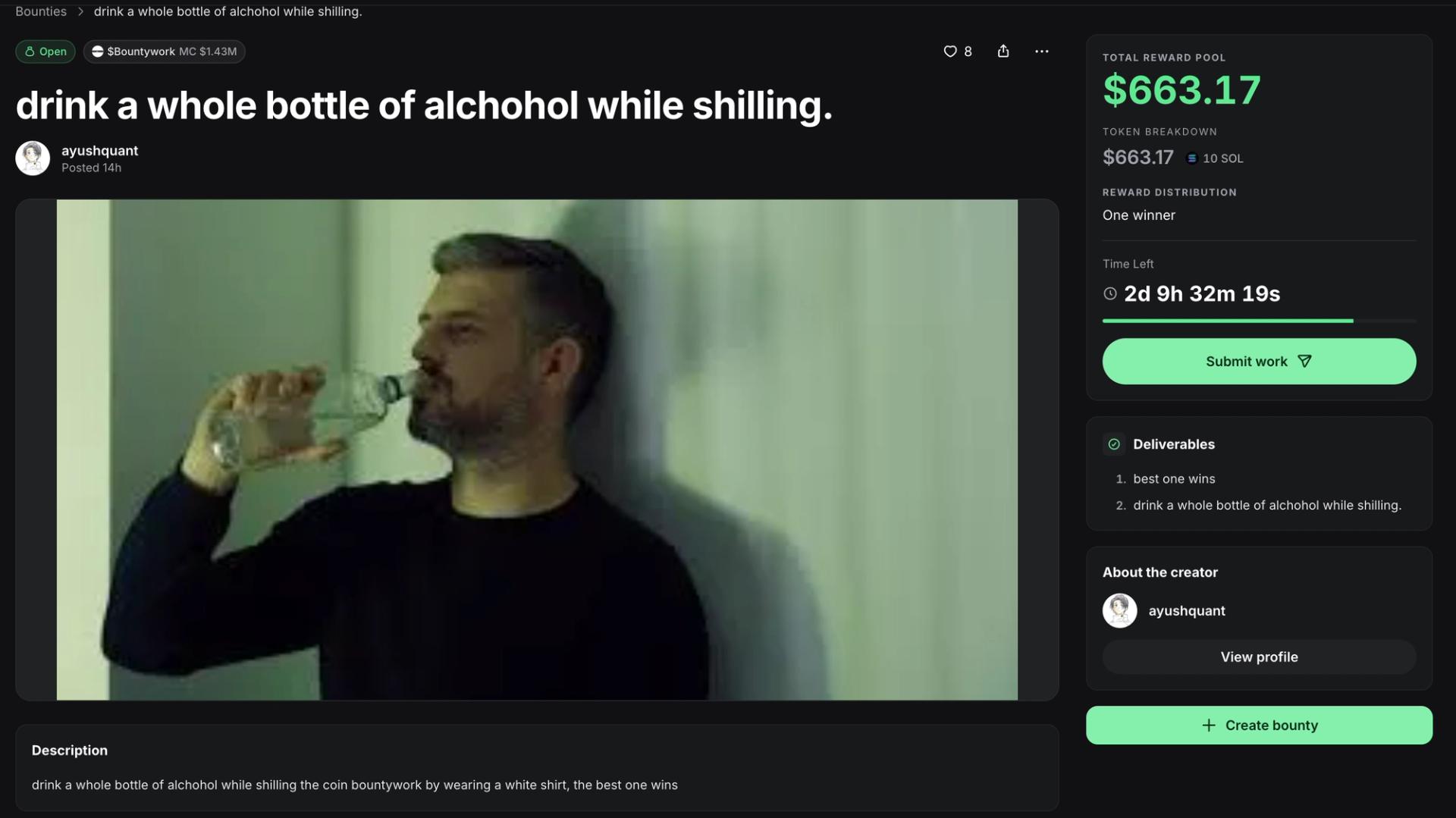
The world of memecoins, known for its rapid rise and fall, is increasingly witnessing a controversial trend where individuals engage in unusual and sometimes alarming activities to promote new tokens. This phenomenon centers around platforms like Pump.fun, which streamline the creation of new cryptocurrencies, enabling anyone to launch a token within minutes.
While the ease of creation fosters innovation, it also opens the door to unconventional marketing tactics. Users are reportedly being incentivized with tokens to perform stunts, ranging from shaving their heads to consuming alcohol on camera, or even interviewing vulnerable individuals. These actions are designed to generate viral attention for nascent memecoins, but they spark a critical debate about the line between creative promotion and outright exploitation.
The Allure of Viral Stunts
The appeal of these extreme promotions lies in their ability to quickly capture attention across social media platforms. In a crowded market where thousands of new tokens emerge daily, standing out is a significant challenge. By executing outlandish acts, participants aim to create buzz, drawing eyes and potential investors to their newly minted digital assets. The compensation for these stunts often comes in the form of the very memecoins they are promoting, creating a direct financial incentive for participants to go to great lengths.
Platforms like Pump.fun have democratized token launching, removing many technical barriers. This accessibility means that virtually anyone can create a memecoin, often with little to no underlying utility, relying almost entirely on community engagement and viral marketing for success. This environment can inadvertently encourage a race to the bottom, where the most outrageous content gains the most traction, regardless of its ethical implications. The broader altcoin market has seen significant activity recently, with various tokens experiencing rallies, as detailed in our recent report on NEAR Protocol and Bittensor (TAO) leading altcoin gains.
Ethical Concerns and Industry Reputation
The rise of these stunts brings significant ethical questions to the forefront. Critics argue that paying individuals, especially those in potentially vulnerable situations, to perform demeaning or risky acts for speculative financial gain is exploitative. Such practices can damage the wider cryptocurrency industry's reputation, associating it with irresponsibility and a lack of moral compass.
- Exploitation Risk: Individuals may engage in risky behavior for minimal, highly volatile compensation.
- Public Perception: Such incidents can reinforce negative stereotypes about the crypto space.
- Platform Responsibility: Questions arise about the role of platforms in moderating content and promoting ethical behavior.
- Regulatory Scrutiny: Increased sensationalism could attract unwanted attention from regulators, potentially leading to stricter oversight for the entire sector, as seen with discussions around EU's MiCA regulations.
For the crypto community, this trend presents a challenge: how to foster innovation and organic growth without condoning practices that might be harmful or exploitative. As memecoins continue to evolve, the debate over responsible promotion and the ethical boundaries of viral marketing will undoubtedly intensify. The industry must navigate these waters carefully to maintain its credibility and ensure sustainable growth.