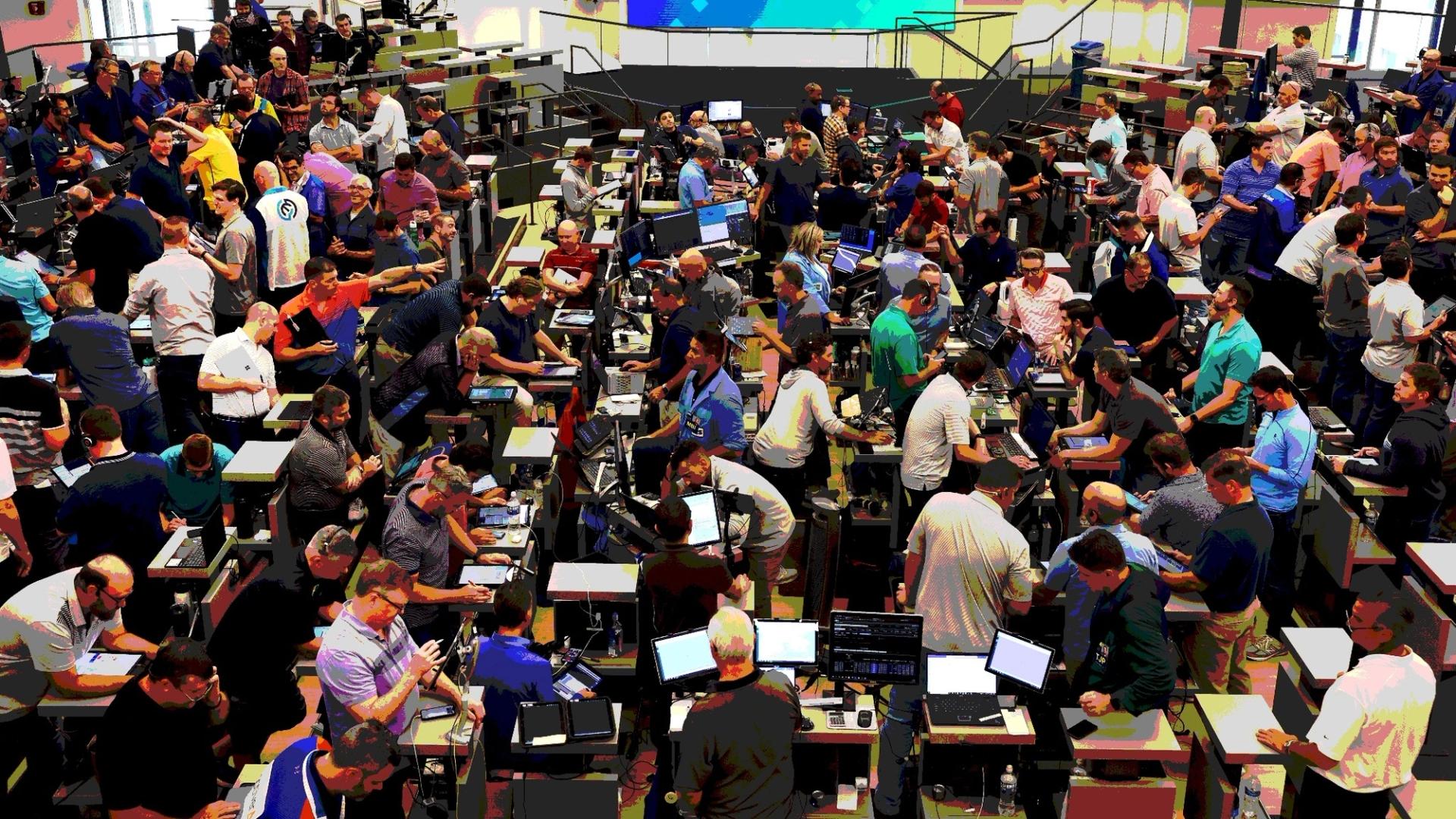
The chief executive of LMAX Group, David Mercer, believes that the burgeoning digital asset industry should look to traditional financial markets for guidance as it continues to develop. Specifically, Mercer suggests that crypto should integrate established concepts such as robust credit, clearing, and collateral systems to achieve greater maturity and stability.
Why Traditional Systems Matter
Mercer's perspective highlights a crucial point: while decentralization is a core tenet of cryptocurrency, certain centralized elements from traditional finance (TradFi) could significantly enhance the crypto ecosystem. These systems are designed to manage risk, ensure efficient settlement, and provide stability in volatile markets. In TradFi, clearing houses act as intermediaries, guaranteeing trades even if one party defaults, while collateral is used to secure loans and reduce counterparty risk. The implementation of sophisticated credit systems allows for more nuanced risk assessment and capital allocation.
Currently, the crypto market often operates with less formalized versions of these mechanisms, leading to higher volatility and presenting hurdles for larger institutional participation. Adopting these proven structures could mitigate some of the inherent risks associated with digital assets, making the market more attractive and safer for a broader range of investors. This move could also pave the way for greater regulatory clarity and acceptance, fostering a more robust and predictable environment for all participants.
Bridging the Centralized-Decentralized Divide
Integrating TradFi's best practices doesn't necessarily mean abandoning the decentralized ethos of crypto entirely. Instead, it suggests a hybrid approach where the benefits of both worlds are leveraged. For instance, decentralized finance (DeFi) protocols already utilize concepts like collateralized lending, but the scale and regulatory oversight differ significantly from established financial institutions. By drawing from the experience of traditional market infrastructure, crypto platforms could develop more resilient and scalable solutions. This evolution is vital as the digital asset space sees increasing institutional interest and a growing demand for sophisticated financial products. The consolidation seen in the crypto data industry, for example, signals a move towards more established market structures, much like what Mercer describes. Blockworks Acquires Messari, Signaling Major Crypto Data Industry Consolidation
Key Takeaways from Mercer's Stance:
- Maturity: Crypto needs proven TradFi structures for long-term growth.
- Risk Management: Credit, clearing, and collateral systems enhance safety.
- Institutional Adoption: Greater stability attracts mainstream financial players.
- Hybrid Model: Blending decentralized innovation with centralized reliability.
A Vision for a Mature Digital Asset Market
The argument put forth by the LMAX CEO suggests that the next phase of cryptocurrency's development will involve a strategic embrace of certain centralized efficiencies. This doesn't diminish the revolutionary aspects of blockchain technology but rather aims to build a more stable and reliable foundation upon it. As the crypto market continues to evolve, understanding and integrating lessons from centuries of financial market development will be crucial. This shift could help solidify crypto's position as a legitimate and integral part of the global financial landscape, moving beyond its speculative early days. Analysts have previously noted the market's resilience and potential for sustained growth, suggesting that the “crypto winter” is behind us, and a more mature market is emerging. Standard Chartered Declares Crypto Winter Over, Bitcoin Targets $100K Following Market Bottom This perspective aligns with Mercer's view that robust infrastructure is key to supporting higher valuations and broader adoption. Such developments are indicative of Bitcoin's evolving market cycles, pointing towards a more stable and higher floor for digital assets in the future. Bitcoin's Evolving Market Cycles Point to a Higher Floor, Research Suggests