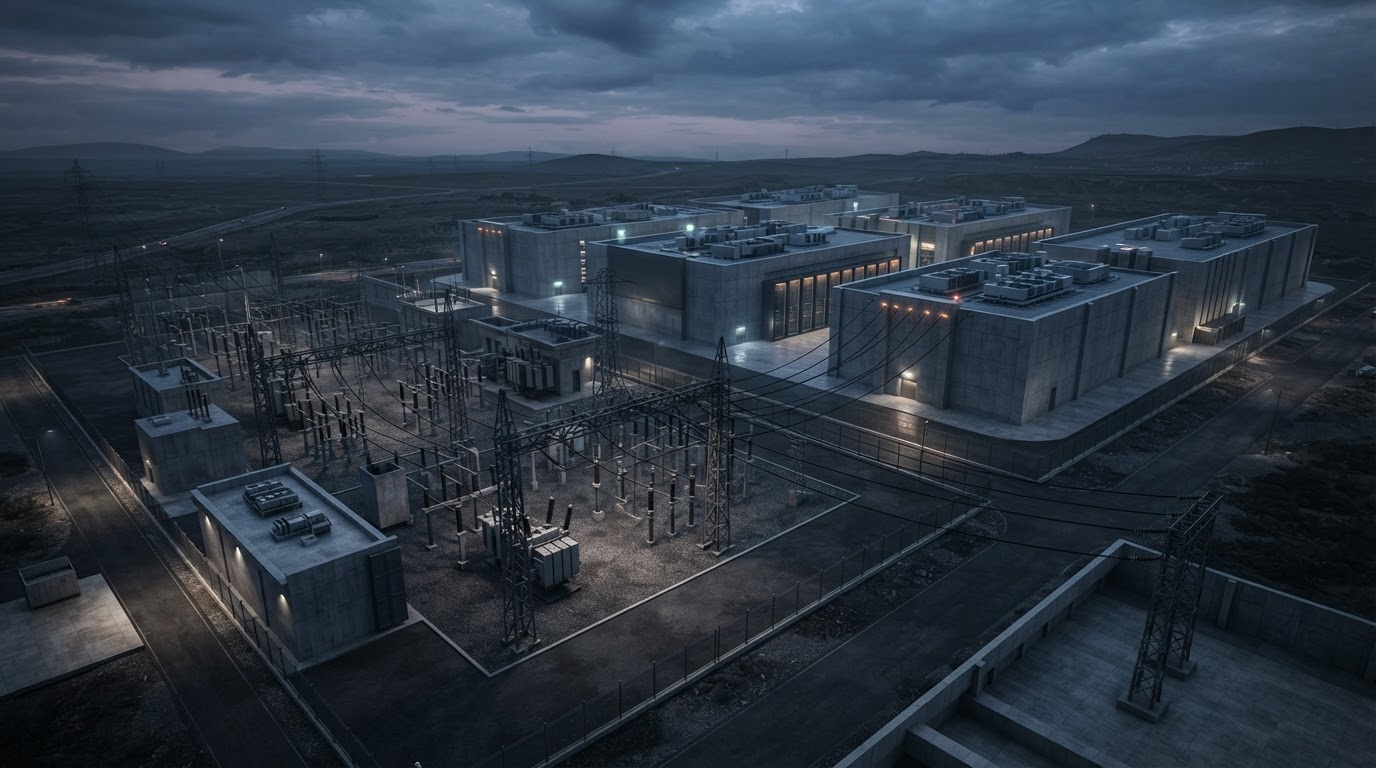
BlackRock CEO Larry Fink has warned that escalating government debt and massive private capital demand for artificial intelligence infrastructure are driving up borrowing costs, creating what he calls the fiercest competition for funding in his 50-year career in finance.
Writing in a Wall Street Journal op-ed, Fink highlighted that US federal debt has reached a record $40 trillion, directly competing for limited capital with technology firms expanding power, data center, and computing capacity. This collision has put upward pressure on benchmark interest rates, with the 10-year Treasury yield rising 1.2 percentage points this year to hit 5.34% earlier this month—its highest level since 2002. As fixed-income yields surge, risk assets across tradfi and crypto have experienced friction, similar to when asset prices fluctuated as the 10-year Treasury yield adjusted.
Fink's Three-Step Proposal for Capital Expansion
Rather than shifting existing capital between asset classes, Fink proposed expanding the available pool of capital through three specific initiatives:
- Securitizing AI Infrastructure: Treat data centers and computing capacity like mortgages by creating securitized instruments so broader institutional investors can fund tech growth.
- Expanding Power Infrastructure: Accelerate permitting and technical training for electricians and welders to match power expansion seen in competing markets like China.
- Broadening Retail Participation: Target the 4 in 10 Americans who currently own no stock to bring fresh long-term capital into investment markets.
Fink remains long-term bullish on technology companies, stating that individual tech giants could eventually reach $10 trillion valuations despite potential individual failures. His structural focus contrasts with warnings from Bridgewater founder Ray Dalio, who cautioned that high debt and rising rates indicate an impending AI bubble, and Panmure Liberum strategist Joachim Klement, who projected an AI market collapse between 2027 and 2028.
Why It Matters
Fink's analysis shifts the focus from speculative AI equity valuations to the underlying macroeconomic plumbing of capital allocation. If government debt issuance continues absorbing global capital while tech hyperscalers demand trillions for infrastructure, high real interest rates could remain permanent. For digital assets, persistent high yields on risk-free debt tighten global liquidity, though prolonged fiscal deficit expansion also reinforces the macro thesis held by analysts who anticipate eventual monetary intervention and an eventual multi-trillion AI bailout.