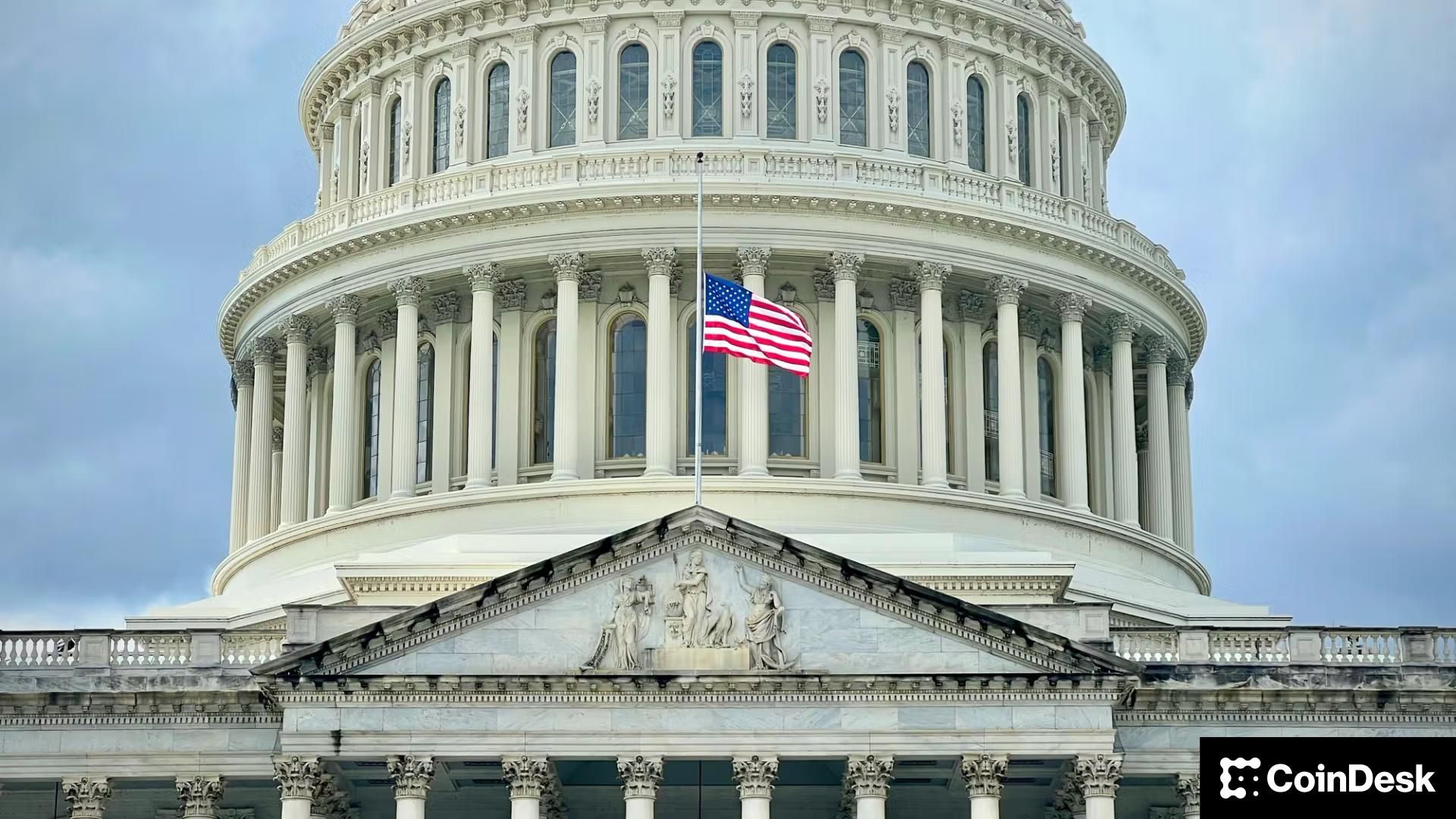
The window for passing crucial crypto market structure legislation in the United States is rapidly closing, according to a recent analysis by investment bank JPMorgan. Key disagreements, particularly concerning the treatment of stablecoin yield, continue to hinder progress on the proposed Clarity Act.
JPMorgan’s recent report highlights that significant legislative hurdles remain for the comprehensive crypto market structure bill. With the current political calendar, the bank suggests that time is running short to achieve consensus and move the bill forward. This urgency stems from the complex nature of digital asset regulation and the differing viewpoints among lawmakers and industry stakeholders. The inability to reach a compromise could leave the U.S. without a clear regulatory framework for digital assets for the foreseeable future.
Stablecoin Yield: A Major Sticking Point
A central issue preventing the Clarity Act's advancement is the debate surrounding stablecoin yield. Stablecoins, which are digital currencies pegged to a stable asset like the U.S. dollar, often offer users the opportunity to earn yield through various lending and staking mechanisms. Lawmakers are grappling with how to classify and regulate these yield-generating activities. Some argue that such offerings resemble traditional securities, requiring stricter oversight, while others contend they are distinct and should be treated differently. This fundamental disagreement has created a significant roadblock, making it challenging to draft legislation that satisfies all parties. The implications of this debate extend beyond just stablecoins, potentially influencing how other decentralized finance (DeFi) products are viewed and regulated.
The lack of clarity around stablecoin regulation has broader implications for the crypto market. Stablecoins are a cornerstone of the digital asset ecosystem, facilitating trades and providing liquidity. Without a clear regulatory path, their growth and adoption could be hampered, potentially pushing innovation offshore. This regulatory uncertainty also impacts financial institutions and traditional firms looking to engage with digital assets, as they require clear guidelines to operate within legal boundaries. Discussions around stablecoin integration with traditional financial systems, such as banks planning to integrate stablecoins, highlight the need for this clarity. For instance, Revolut US Bank is reportedly planning stablecoin integration, underscoring the demand for regulated options.
Political Landscape and Legislative Challenges
The political environment in Washington D.C. further complicates the passage of the Clarity Act. With an upcoming election cycle, legislative focus often shifts, making it difficult to push through complex, bipartisan bills. The crypto industry has seen increased engagement in the political arena, with new PACs entering the space to support blockchain builders. However, even with growing advocacy, bridging the ideological divide on digital asset regulation remains a formidable task. Resolving issues like stablecoin yield requires significant compromise, which becomes increasingly difficult as legislative deadlines loom.
Key Takeaways:
- JPMorgan warns that time is running out for the Clarity Act.
- Disagreements over stablecoin yield are a primary obstacle.
- Regulatory uncertainty could hinder stablecoin growth and adoption.
- The upcoming election cycle adds to legislative challenges.
- A clear U.S. regulatory framework for digital assets remains elusive.
The ongoing struggle to pass a comprehensive market structure bill underscores the broader challenges in regulating a rapidly evolving industry. Until lawmakers can agree on fundamental aspects like stablecoin classification and yield, the U.S. crypto market will likely continue to operate under a patchwork of existing rules and regulatory ambiguity. This situation contrasts with other jurisdictions that are moving more swiftly to establish clear guidelines.