CNBC "Mad Money" host Jim Cramer warned that public perception and a negative narrative pose a greater threat to the artificial intelligence trade than corporate spending, even as global AI investment is projected to reach $1 trillion by 2026.
Public Backlash and Stalled Infrastructure
Cramer stated that the AI industry is losing control of its public story amid rising consumer electricity prices and unproven fears of job losses. His comments coincided with the 30-year Treasury yield climbing to its highest level since 2002.
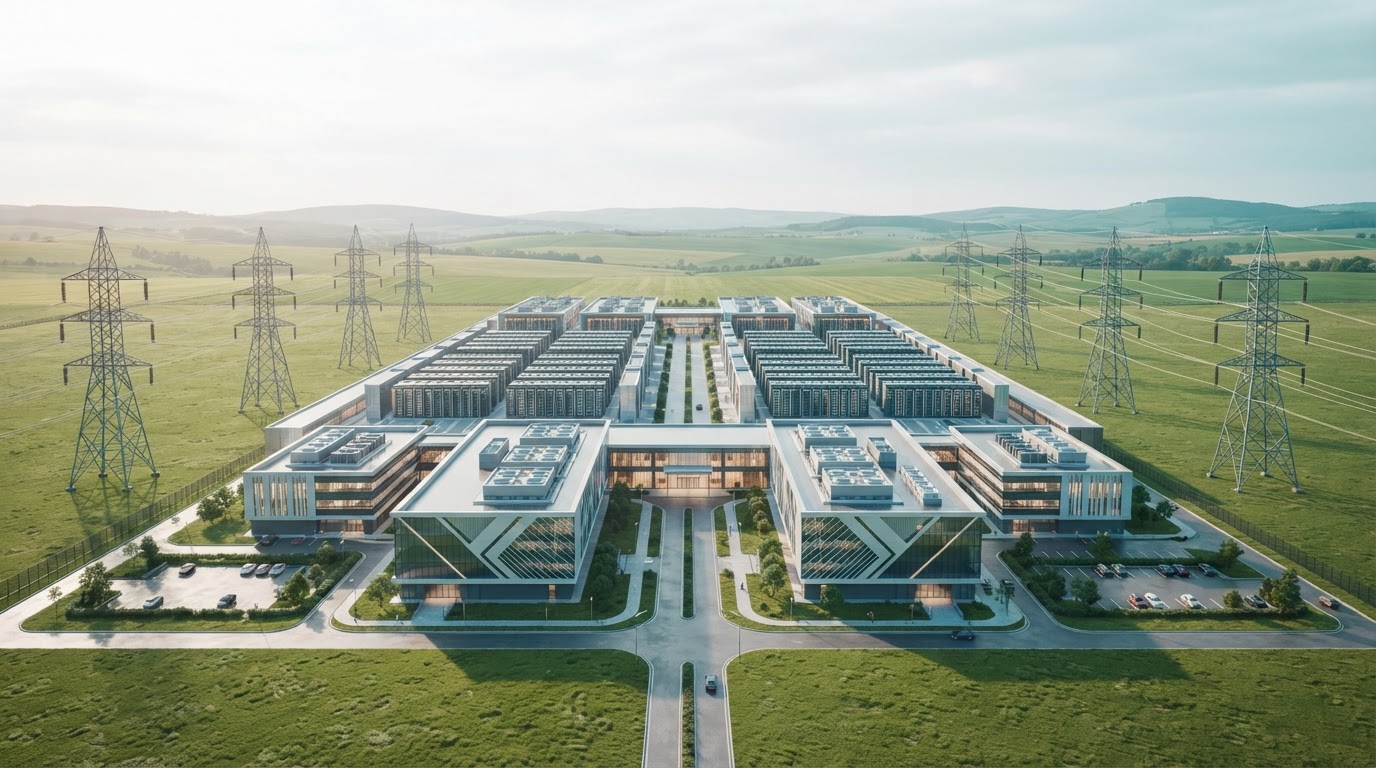
Mounting opposition is already impacting infrastructure rollouts. According to research group Data Center Watch, 45 US projects valued at $68 billion were stalled by local opposition between April and June. Cramer argued that companies like Anthropic and OpenAI exacerbate the backlash by publicly highlighting safety concerns, noting that Anthropic's IPO prospectus flags existential AI risks. Referencing the optics of a White House AI lunch featuring Nvidia CEO Jensen Huang and Elon Musk, Cramer emphasized that "the companies have to start telling better stories."
Financial Markets Weigh Debt and Political Risks
While Goldman Sachs Research forecasts $1 trillion in global AI investment by 2026 anchored by cloud hyperscalers Amazon, Microsoft, and Google, credit markets are showing caution. Torsten Slok, chief economist at Apollo Global Management, noted that credit markets now price in higher debt risks for hyperscalers due to increasing leverage and uncertain payback on AI spending. Conversely, Paul Meeks, head of technology research at Freedom Capital Markets, told CNBC that it remains too early to judge the trend.
Political and macroeconomic pressures could further challenge the sector. Cramer warned that rising yields could make October difficult for equities, while the upcoming November midterms could bring congressional investigations into AI executives if a Democratic House emerges—a potential shift as market participants track Democratic midterm election odds.
Key Takeaways
- Jim Cramer identified public perception, narrative management, and local opposition as the primary risks facing the AI trade.
- Data Center Watch tracked 45 stalled US projects worth $68 billion due to local pushback between April and June.
- Goldman Sachs projects $1 trillion in AI spending by 2026, while Apollo Global Management warns of elevated credit risks for hyperscalers like Amazon, Microsoft, and Google.
- Macro risks persist as the 30-year Treasury yield hit its highest level since 2002.
Why It Matters
The friction between massive capital deployment and local resistance highlights a growing bottleneck for AI growth that financial metrics alone do not capture. As debt risk premiums for cloud providers increase and political scrutiny intensifies ahead of the midterms, tech firms must demonstrate real-world revenue returns rather than relying solely on infrastructure expansion. Third-quarter capex disclosures will serve as a key test for whether investors prioritize spending figures or narrative resilience.