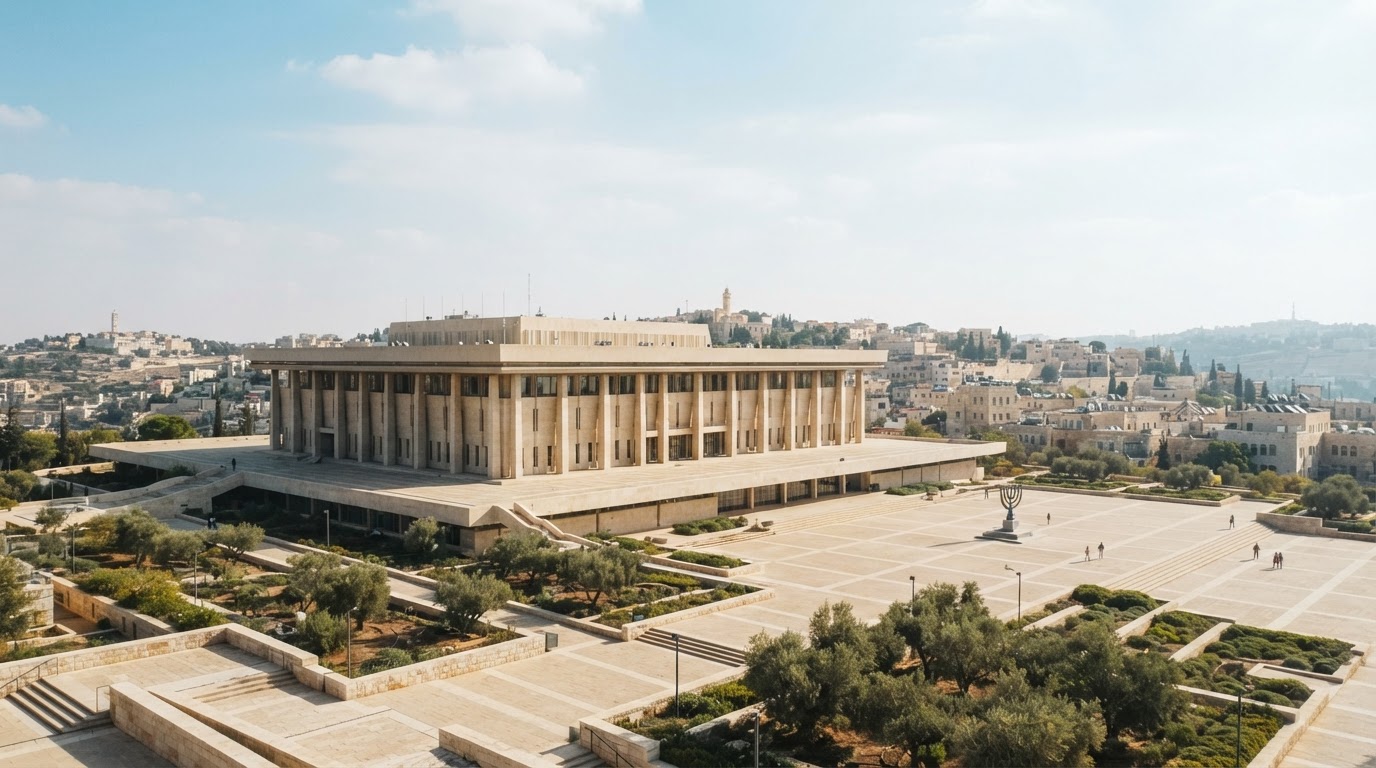
Israel's general election on October 27 ended without a clear winner after neither Prime Minister Benjamin Netanyahu's coalition nor former military chief Gadi Eisenkot's Yashar party secured the 61 seats required for a parliamentary majority. The political deadlock leaves the direction of Israel's military confrontation with Iran uncertain as Brent crude settled at $113.88, creating potential ripple effects across global equities and cryptocurrency markets.
Parliamentary Gridlock and Arab Party Surge
Exit poll projections show Netanyahu's Likud securing 24 seats, while Eisenkot's Yashar earned 22 seats. The biggest shift came from Palestinian citizens of Israel, where record participation propelled the Joint List and Ra'am to a projected 18 seats—up from 10 in the previous parliament—with nationwide turnout reaching 77.7%. Because Eisenkot has ruled out a formal coalition with the Arab parties, analysts expect prolonged negotiations or another election.
Both leaders maintain hardline stances against Iran acquiring nuclear weapons, though their approaches differ:
- Netanyahu advocates for military-driven regime change in Tehran and settlement expansion in the West Bank.
- Eisenkot considers military-imposed regime change unrealistic, favoring targeted strikes combined with diplomacy while pledging to replace Hamas's administration in Gaza within 18 months.
Institutional Outlook and Market Implications
Wall Street financial institutions are evaluating how prolonged political instability could affect global energy markets and risk assets. The conflict directly impacts trade through the Strait of Hormuz, which handled approximately 25% of global seaborne oil trade in 2025. Any disruption could reignite energy inflation, complicating monetary policy expectations alongside broader market dynamics like the Fed interest rate hold priced at 90%.
Key financial firm assessments include:
- Goldman Sachs: Estimates that roughly $27 per barrel of Brent's price represents a geopolitical risk premium.
- UBS: Elevated its year-end target for Brent crude to $110, up from its previous $100 forecast.
- Commerzbank and SEB: Warned that the election outcome directly influences potential military actions and risk premiums.
- MUFG: Highlighted the Israeli vote and the upcoming November 3 US midterm elections as primary catalysts for oil and risk assets.
Why It Matters
The Israeli political stalemate prolongs geopolitical risk at a time when macroeconomic indicators remain sensitive to energy shocks. Higher sustained oil prices threaten to fuel inflation, keeping central bank interest rates elevated and dampening investor appetite for risk-on assets such as equities and digital currencies. With official election results pending and US midterms approaching, financial markets face extended uncertainty that could heighten volatility across digital asset classes, especially as traders monitor key support levels for Bitcoin.