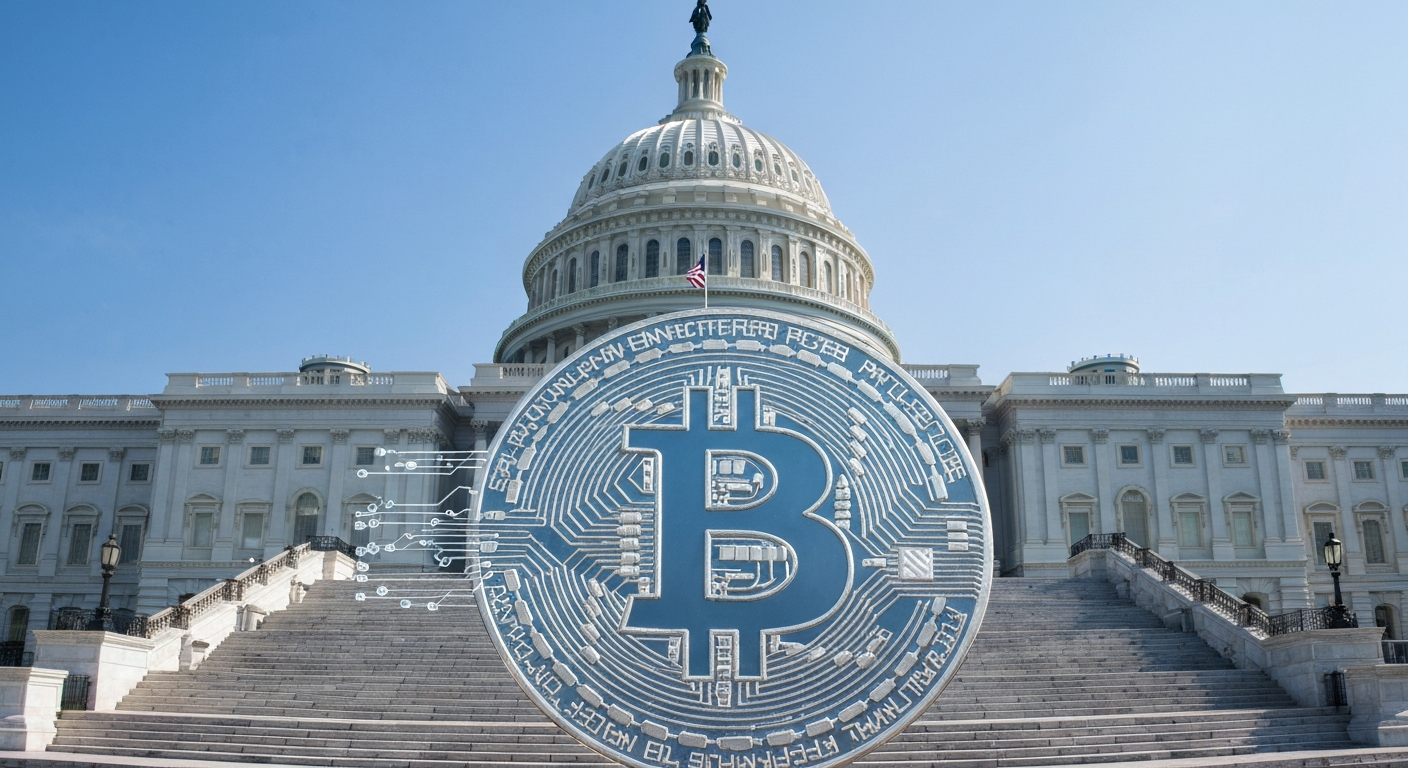
House Speaker Mike Johnson officially transmitted a housing bill containing a provision to prohibit the US Federal Reserve from issuing or creating a Central Bank Digital Currency (CBDC) until 2030 to Donald Trump on Monday. Trump now has 10 days to decide on the bill, which could significantly impact the future of digital currency development in the United States.
This legislative maneuver underscores the growing political debate surrounding the potential introduction of a US CBDC. A CBDC is a digital form of a country's fiat currency, issued and backed by its central bank, offering a digital alternative to physical cash and commercial bank deposits. Proponents argue it could enhance financial inclusion, improve payment efficiency, and bolster monetary policy tools, while critics raise concerns about privacy, government surveillance, and potential disintermediation of commercial banks.
Trump's Stance on Digital Currency
Donald Trump has previously expressed strong opposition to the creation of a US CBDC, stating that he would “never allow” it if elected. His administration has consistently voiced concerns regarding the potential for central control and surveillance that a government-issued digital currency might enable. This specific provision within the housing bill aligns with his publicly stated position and reflects a broader sentiment within parts of the Republican party against a federally controlled digital dollar.
Broader Regulatory Landscape
The inclusion of a CBDC ban within a housing bill highlights the diverse legislative avenues through which cryptocurrency policy is being addressed in the US. While dedicated crypto legislation like the CLARITY Act faces ongoing challenges in Congress, provisions impacting digital assets are increasingly appearing in broader bills. The 2030 moratorium, if enacted, would provide a substantial pause in any official development of a US CBDC, allowing for continued debate and potentially shaping future regulatory frameworks. This move contrasts with other nations actively exploring or implementing their own CBDCs, positioning the US at a critical juncture in its digital currency strategy.
Why it matters
This development is significant as it demonstrates a clear legislative effort to halt the progress of a US CBDC for an extended period. Should Donald Trump sign this bill, it would effectively push back any federal digital dollar initiatives for nearly a decade, reflecting strong political resistance to the concept. It also highlights how crypto-related policies are being embedded into seemingly unrelated legislation, indicating the pervasive influence of digital asset debates across Washington, D.C.
Key Takeaways
- House Speaker Mike Johnson sent a housing bill with a CBDC ban to Donald Trump on Monday.
- The bill prohibits the US Federal Reserve from issuing a CBDC until 2030.
- Donald Trump has 10 days to act on the bill.
- Trump has previously voiced strong opposition to a CBDC, citing concerns over central control and privacy.
- The move signifies continued legislative resistance to a US CBDC within the current political climate.