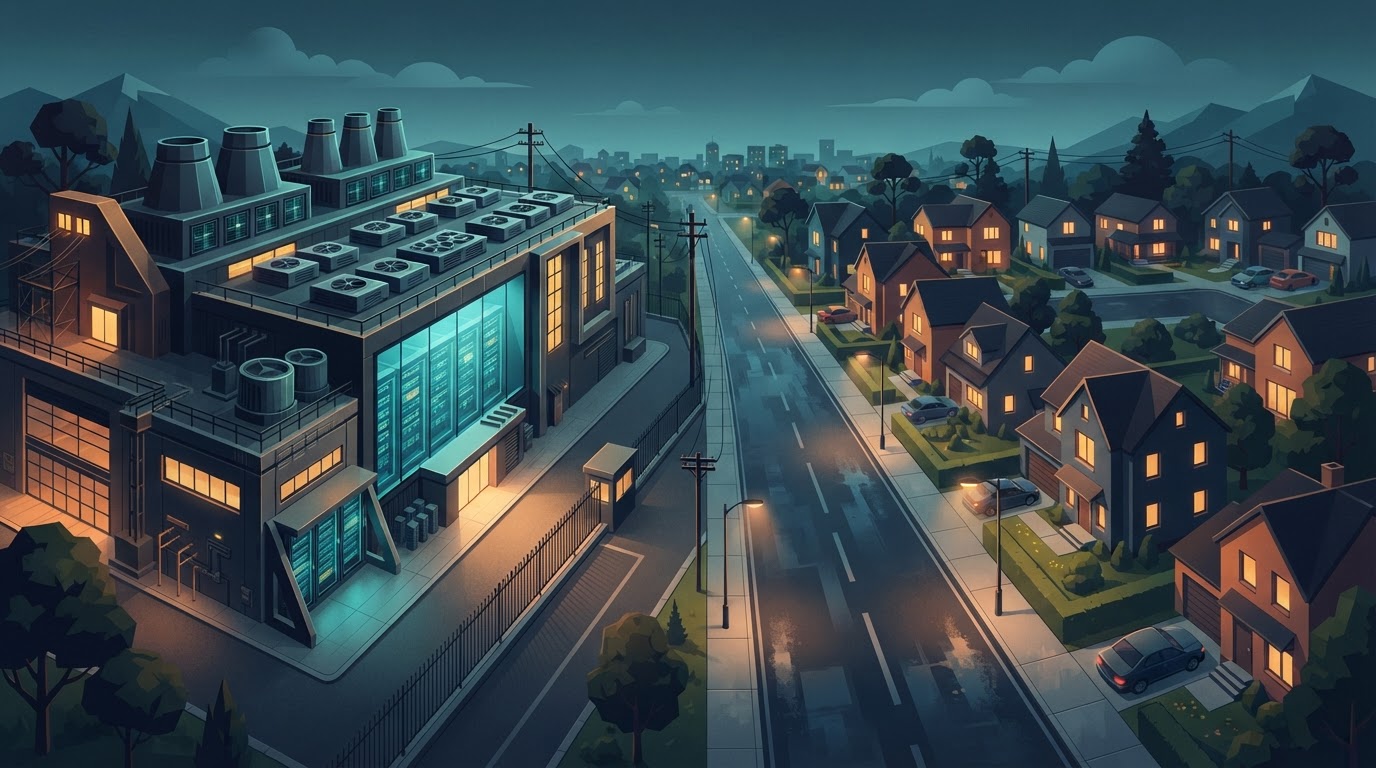
Local opposition to AI data center construction has expanded into a global movement across Australia, Europe, and Asia, echoing massive project delays and public pushback seen across the United States. In the first half of 2026, community resistance blocked or delayed approximately 120 projects valued at nearly $200 billion in the U.S. alone, according to research group Data Center Watch.
Global Pushback Targets Data Center Proximity and Resources
In Sydney, Australia's largest property company, Goodman, officially canceled Project Mars in the Lane Cove suburb, which would have stood roughly 20 meters from local homes.
"Goodman has carefully considered these changes together with feedback received through the planning process, including the views of the local community … Goodman has concluded that it will not progress with the development application," the company explained in a letter.
Regulators and residents across other key markets are taking similar action:
- Victoria, Australia: New planning rules mandate that data centers generate their own renewable energy, refrain from using drinking water for cooling, and maintain a 150-meter setback from residential areas.
- South Korea: Residents in Seoul's Geumcheon district have staged weekday morning protests outside local government offices for months to demand the revocation of a facility building permit.
- Japan: Neighbors in Inzai filed a lawsuit against the firm certifying a nearby facility, citing noise, hot air, and lost sunlight.
- Malaysia: More than 50 people staged the nation's first data center protest in Johor in February.
- Europe: Over 70 projects faced rejections or restrictions in early 2026, according to the European Data Centre Monitor.
Escalating U.S. Opposition and Corporate Responses
Inside the U.S., states including New York and Texas have instituted permit pauses for major developments. A Quinnipiac University poll released on September 30 revealed that 72% of U.S. adults oppose a local AI data center in their community, up from 65% recorded in March.
The surge in power and facility needs comes as tech giants expand hardware footprints, reflected in trends where Nvidia stock reaches record highs and financial markets adopt tools like AI compute derivatives to hedge costs.
In response to mounting public scrutiny, Amazon announced a $1 billion initiative dedicated to communities where it operates and builds infrastructure. However, AWS CEO Matt Garman cautioned that widespread local pushback poses a direct threat to the nation's leadership in artificial intelligence.
Key Takeaways
- $200 Billion Stalled: U.S. resistance blocked or delayed 120 projects in H1 2026.
- Public Disapproval Rises: 72% of U.S. adults oppose local facilities as of September 30.
- Regulatory Limits: Victoria enacted strict 150-meter residential buffers and water use bans.
- Corporate Commitments: Amazon pledged $1 billion for host communities amid AWS warnings.
Why It Matters
The spreading international backlash demonstrates that physical infrastructure constraints—specifically land proximity, water consumption, and power grid access—are becoming the primary bottleneck for global AI expansion. While tech companies have capital to deploy, local municipal approvals and public sentiment are exerting unprecedented leverage over project timelines. If regulatory restrictions and legal challenges continue to intensify, AI firms may be forced to pivot toward offshore, rural, or alternative energy-subsidized locations to maintain computational growth.