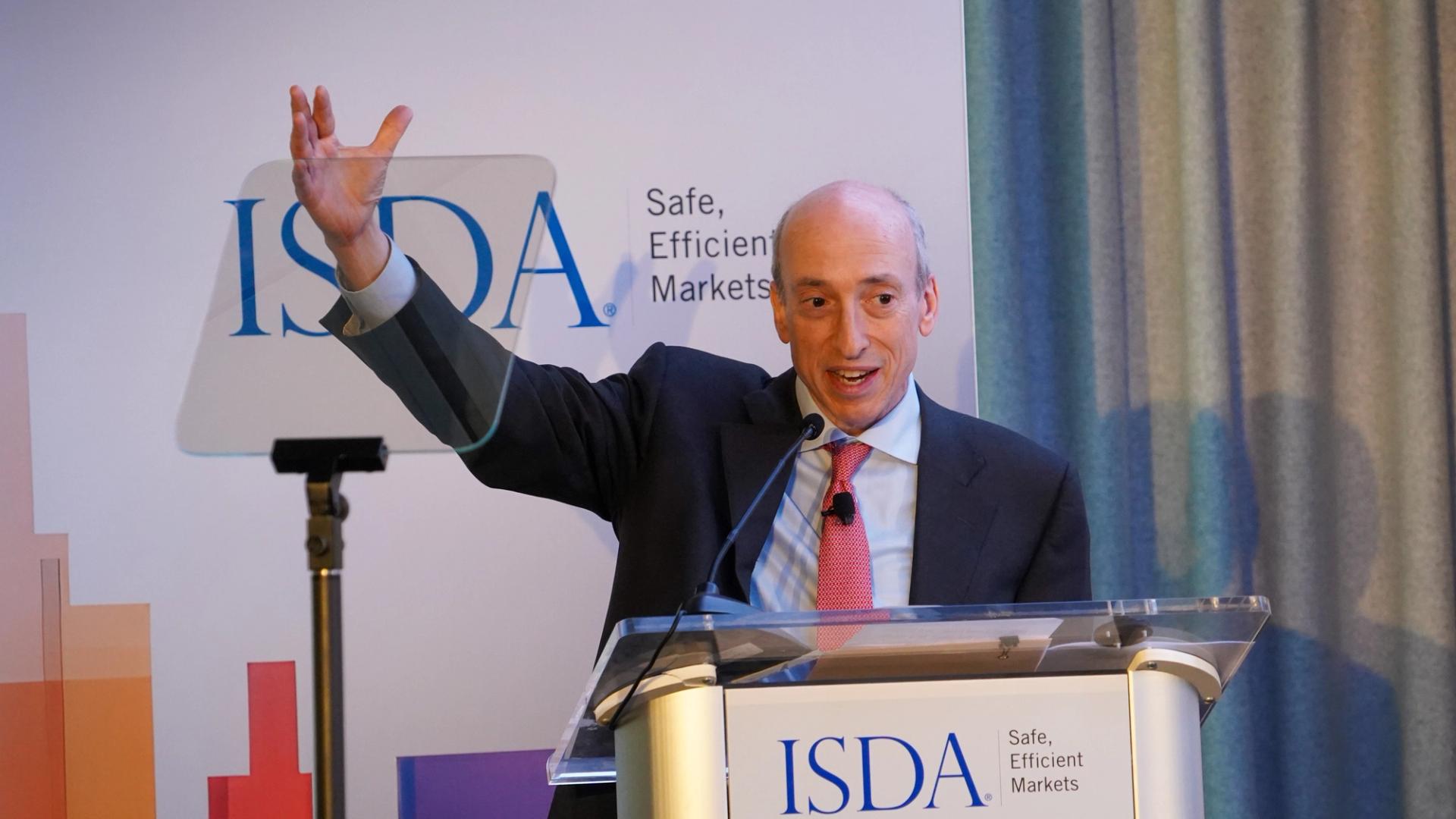
Former SEC and CFTC Chair Gary Gensler has recently weighed in on the contentious debate surrounding prediction markets, asserting that these platforms are not exempt from existing state-level regulations, particularly when they involve sports-related contracts. His stance aligns with several interest groups who believe these markets are encroaching on established legal frameworks.
The Regulatory Stance on Prediction Markets
Gensler, a prominent figure in financial regulation, suggests that prediction markets operate under a misconception if they believe they can bypass state laws. His argument specifically targets platforms that offer contracts tied to sports outcomes, implying that such activities often fall under the purview of state-specific gambling or betting regulations. This perspective underscores a fundamental tension between innovative financial products and traditional legal frameworks designed to protect consumers and maintain market integrity.
Numerous interest groups have echoed Gensler's concerns, contending that allowing prediction markets to operate unchecked, especially in areas like sports, could lead to regulatory arbitrage. They argue that these markets often resemble traditional sports betting, which is heavily regulated at the state level, and therefore should be subject to similar oversight. The core of their argument is that simply re-labeling a betting activity as a "prediction contract" should not automatically grant it immunity from established laws.
Navigating the Legal Gray Areas
Prediction markets are platforms where users can buy and sell shares representing the likelihood of future events. The price of these shares fluctuates based on collective sentiment, ultimately settling at $1 if the event occurs and $0 if it does not. While some proponents view them as valuable tools for aggregating information and forecasting, critics, including Gensler, often see them as thinly veiled gambling operations, particularly when applied to events like sports.
The legal classification of prediction markets remains a complex issue. In the United States, states have significant authority over gambling and betting activities, leading to a patchwork of laws. Operators of prediction markets often attempt to structure their offerings to avoid being classified as gambling, sometimes by emphasizing their informational or hedging aspects. However, Gensler's recent comments indicate that regulators are increasingly scrutinizing these distinctions, pushing for clearer lines of demarcation. This ongoing debate highlights the challenges regulators face in keeping pace with rapidly evolving financial technologies.
Broader Implications for Crypto Regulation
This discussion around prediction markets is part of a larger conversation about how new digital financial instruments fit into existing regulatory structures. The crypto industry frequently grapples with similar questions, with assets often straddling the lines between commodities, securities, and currencies. The push for regulatory clarity is a constant theme, as evidenced by ongoing debates around various crypto assets and platforms.
Key takeaways from this regulatory discussion include:
- Prediction markets face increasing scrutiny, especially concerning sports-related contracts.
- Former SEC and CFTC Chair Gary Gensler believes state laws apply, regardless of how these markets are structured.
- Interest groups support stricter oversight, viewing some prediction markets as forms of gambling.
- The legal classification of these platforms remains a significant challenge for regulators.
The assertion by Gensler and allied groups suggests a growing intent to ensure that innovative financial platforms do not create loopholes in consumer protection and market integrity regulations. As the digital asset space continues to expand, the interplay between state and federal oversight will remain a critical area of focus, shaping how new technologies can operate within established legal boundaries. This echoes broader calls for more defined rules for digital assets, a sentiment often voiced by industry leaders seeking a more predictable operating environment, as seen in discussions around crypto clarity acts. Ripple CEO Brad Garlinghouse has been a vocal proponent of clear crypto legislation, emphasizing the need for unambiguous guidelines. Similarly, the European Union's MiCA framework provides a comprehensive regulatory model, a path some nations like Hungary are moving to adopt to streamline their crypto regulations. The continuous pressure from banking groups for expanded AML rules on stablecoin secondary markets further illustrates this overarching trend towards tighter regulatory control across various facets of the digital economy.