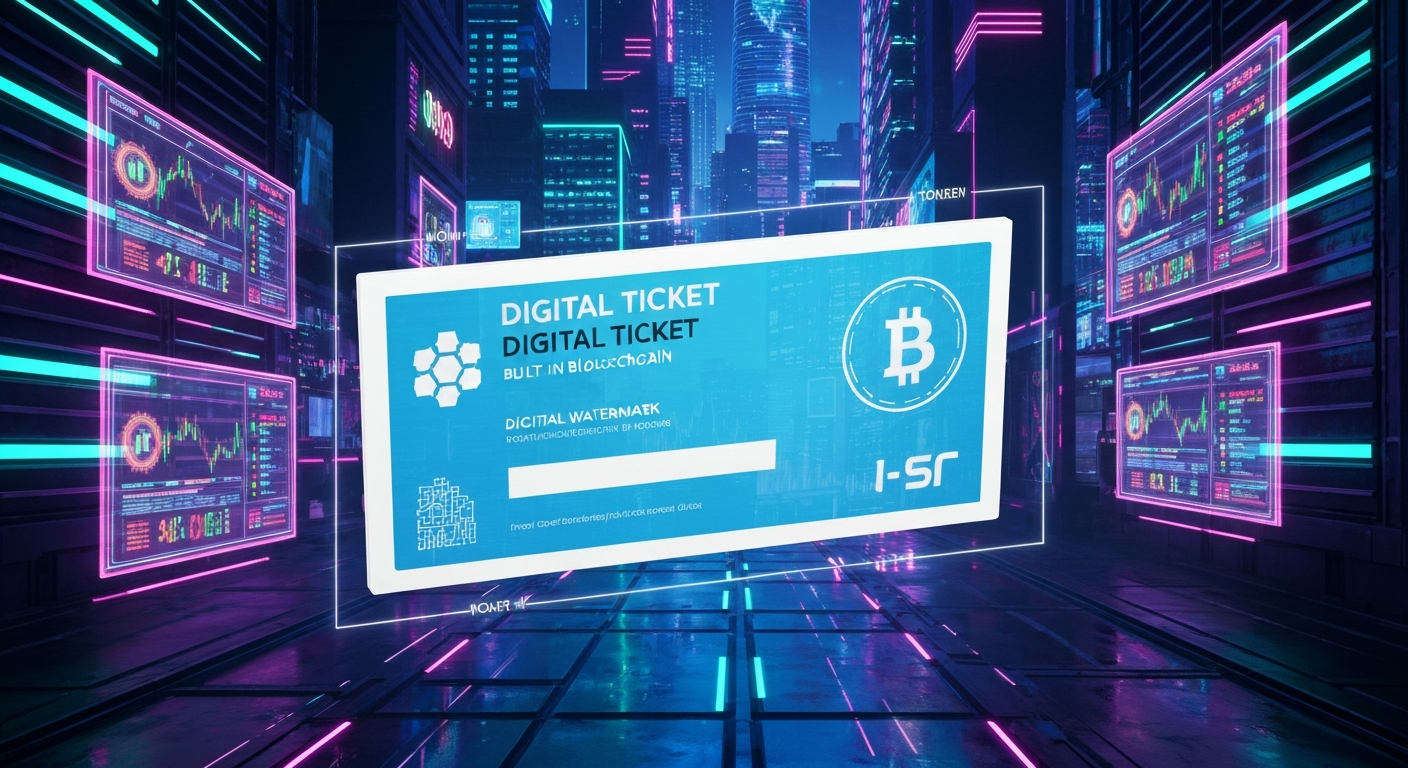
The global sports phenomenon, the FIFA World Cup, is exploring blockchain technology to tackle a persistent problem: ticket scalping. By leveraging the Avalanche blockchain, FIFA aims to introduce a more secure and transparent ticketing system, ensuring fans pay fair prices and preventing fraudulent resales. This initiative highlights a growing trend of major organizations adopting decentralized technologies for real-world applications.
Revolutionizing Ticket Distribution with Blockchain
The core idea behind FIFA's exploration involves turning each World Cup ticket into a non-fungible token (NFT). This digital asset would serve as a unique, verifiable proof of ownership, directly linked to the attendee. Unlike traditional paper or digital tickets, NFTs on a blockchain create an immutable record, making it significantly harder for unauthorized parties to duplicate or counterfeit. This approach seeks to restore integrity to the ticketing process, which has long been plagued by issues of authenticity and price gouging.
Each NFT ticket could function as a "digital twin" of a real-world asset, offering enhanced security and traceability. This concept mirrors other efforts in the digital finance space to integrate real-world assets with blockchain technology, such as Moody's integrating credit ratings on Solana for tokenized assets. The system would enable FIFA to implement specific rules governing ticket transfers, such as setting price caps on resales or restricting transfers to verified fan accounts, thereby directly combating the predatory practices of scalpers.
Combating Scalping and Enhancing Fan Experience
Scalping has been a significant headache for major events, with tickets often reappearing on secondary markets at exorbitant prices, leaving genuine fans frustrated and out of pocket. By using blockchain, FIFA gains unprecedented control and transparency over the entire lifecycle of a ticket, from issuance to entry at the stadium. This level of oversight can help maintain fair market values and ensure that the revenue generated from ticket sales benefits the event organizers and, indirectly, the sport itself.
Key Takeaways:
- FIFA is exploring Avalanche blockchain for World Cup ticketing.
- The goal is to combat ticket scalping and fraud.
- Tickets would be issued as non-fungible tokens (NFTs).
- Blockchain enables secure transfers and resale price controls.
- This initiative represents a significant step for blockchain in real-world applications.
The implementation of such a system would require robust infrastructure and careful consideration of user experience. However, the potential benefits in terms of security, transparency, and consumer protection are substantial. As the digital asset space matures, regulatory frameworks like those governing MiCA-compliant platforms could provide a blueprint for how large organizations can navigate the complexities of blockchain adoption while ensuring legal and operational compliance. This move by FIFA could set a precedent for other major sporting and entertainment events looking to secure their ticketing systems.