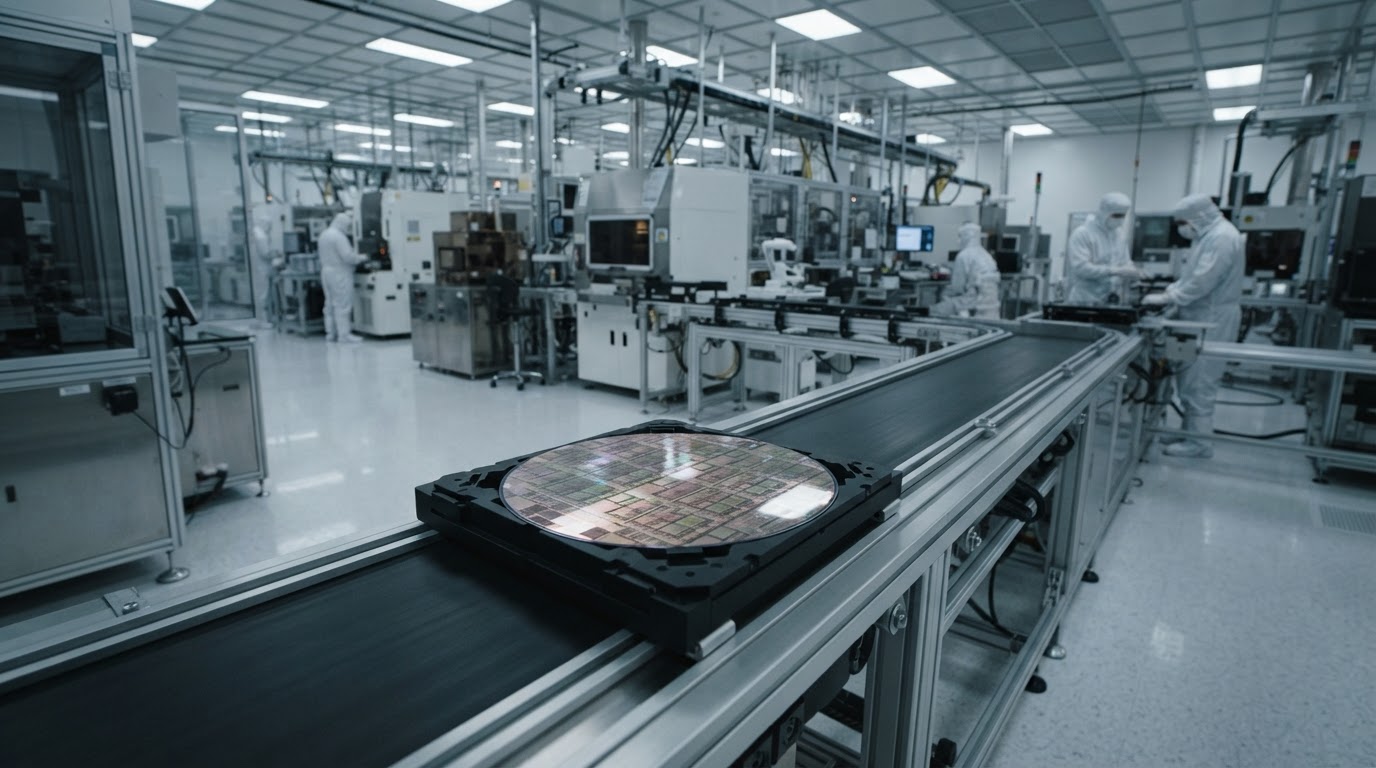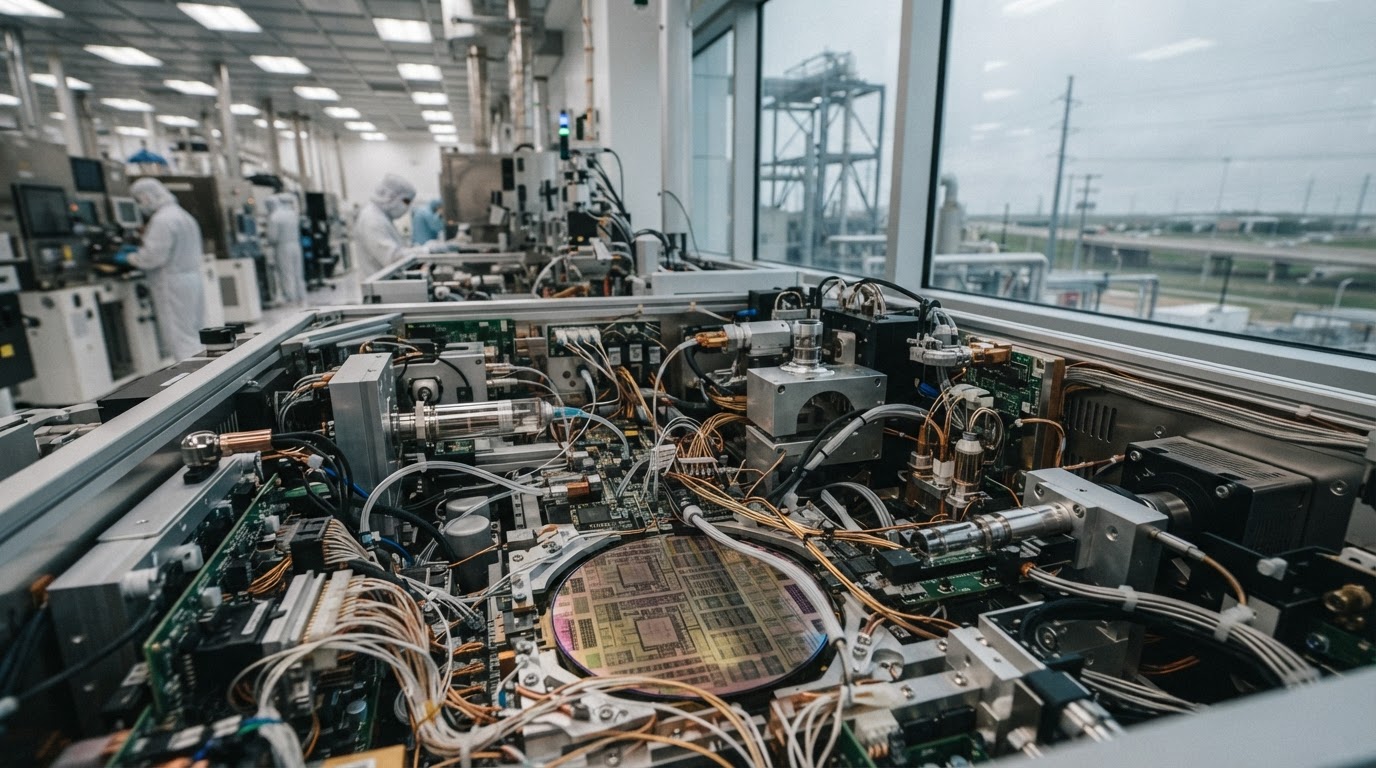
Elon Musk confirmed on October 30, 2026, that construction and supplier integration for Terafab—the $119 billion semiconductor complex in Texas built by Tesla and SpaceX—is moving ahead rapidly. According to tax filings submitted to two local school districts, the project spans four construction phases designed to reach a monthly capacity of 1 million wafers within a decade, matching the scale of industry leader Samsung.
Unprecedented Industry Speed and Vendor Engagement
Reporting from Korean trade outlet The Elec highlighted an unusual operating model at the Texas facility. A Korean supplier executive noted that inquiries sent to US teams receive responses within 30 minutes to an hour, even during early morning US hours. The speed is attributed to Terafab engineers holding direct purchasing authority, unlike traditional semiconductor firms where approvals pass through multiple managerial layers. An overseas equipment executive stated that they had "never seen this level of execution speed in the semiconductor industry."
During the recent SEMICON West trade show, procurement staff representing Tesla and SpaceX engaged with approximately 10 Korean booths. More than half of those vendors have already signed nondisclosure agreements to negotiate hardware supply contracts. The enterprise builds on existing corporate momentum, following SpaceX acquiring Musk's AI venture xAI in February before completing a $75 billion IPO in June.
Technological development received a boost in the spring when Intel signed on as an official technology partner. However, questions remain regarding the facility's business model. No semiconductor fab in history has operated at a scale of 1 million wafers per month solely for internal corporate consumption, and Musk acknowledged in October that he has no prior background in running a chip fabrication facility.
Key Takeaways
- $119 Billion Scale: The four-phase Texas complex aims for 1 million silicon wafers monthly within 10 years for Tesla and SpaceX.
- Direct Decision-Making: Suppliers report 30-to-60-minute response times as engineers hold direct procurement authority.
- Supply Chain Push: Staff met with 10 Korean vendors at SEMICON West, with over half signing non-disclosure agreements.
- Sole Internal Use: The plant operates without external buyers, relying on public SpaceX investors and Tesla capital following SpaceX's $75 billion IPO.
Why It Matters
Building an in-house chip manufacturing infrastructure eliminates long-term supply bottleneck risks for Tesla's autonomous driving hardware and SpaceX's AI models. However, absorbing a $119 billion capital expense without external revenue customers exposes public shareholders to severe balance sheet pressure if manufacturing yields falter. Investors in broader tech infrastructure, who have closely tracked corporate capital expenditure patterns such as Amazon's massive AWS spending backlog, will be monitoring whether Musk's unconventional engineering management can achieve commercial-grade semiconductor yields without prior fab experience. Shareholders must also weigh these capital demands alongside previous corporate governance debates, including past scrutiny over SpaceX equity allocations and corporate stakes.