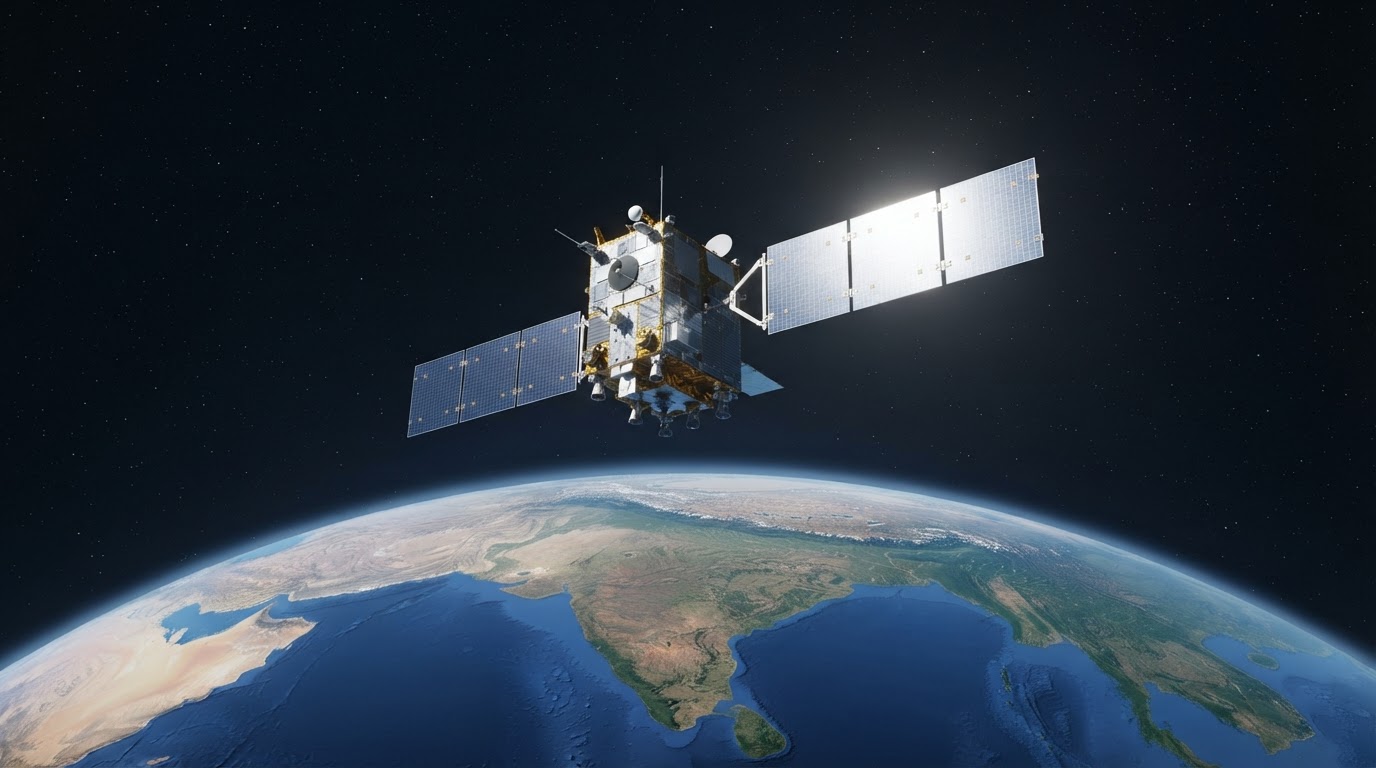
SpaceX founder Elon Musk publicly targeted Indian billionaire Mukesh Ambani on Friday, mockingly referring to the Reliance Industries chairman as the "real boss of India" over delayed market access for Starlink. Ambani, whose Jio telecom network serves over 520 million subscribers, is building a competing satellite internet constellation projected to cost between $10 billion and $15 billion.
Musk Challenges Reliance Chairman Over Market Access
Addressing Mukesh Ambani—who holds an estimated fortune of $86.3 billion on Forbes' latest India rich list—Musk released a mock letter asking if he would consider allowing Starlink to compete against Jio. Ambani holds no government office, but Musk sarcastically apologized for not realizing he was "the real boss of India" and accused him of seeking to maintain a "monopolistic exploitation of the great people of India."
The high-profile feud comes as SpaceX continues expanding its international reach, building on global momentum after recent expansion efforts such as when SpaceX agreed to buy a nationwide low-band spectrum portfolio.
Jio's $10B Satellite Plan vs. Starlink's Infrastructure
Jio plans to deploy a network of approximately 1,600 satellites capable of delivering up to 5 terabits per second of capacity over India. By comparison, Starlink is currently approved for 600 gigabits per second, according to Business Standard, making Jio's planned capacity roughly eight times larger.
However, Jio's network is still years away from launch. According to reports from Angel One, Jio's first test flight is scheduled for September 2027, with full constellation deployment targeted for 2035. Conversely, Starlink has already constructed 20 ground stations inside India. Despite the competition, Jio signed an agreement in March 2025 to distribute Starlink equipment once official approval is granted.
Administrative Red Tape Delays Both Providers
Starlink formally secured its Indian operating licence in June 2025. However, both Starlink and Jio's satellite subsidiary remain stalled at identical regulatory hurdles: awaiting Home Ministry security clearances and government spectrum allocations.
Indian Telecom Minister Jyotiraditya Scindia rejected allegations of preferential treatment toward domestic firms, calling the claims "baseless and misconceived" and stating that "India does not allow a monopoly in any sector."
Key Takeaways
- Mukesh Ambani's Jio is planning a $10 billion to $15 billion satellite network featuring 1,600 satellites.
- Jio targets 5 terabits per second in theoretical capacity, compared to Starlink's approved 600 gigabits per second.
- Starlink received its Indian license in June 2025 and built 20 ground stations, but lacks final security clearance and spectrum.
- Jio's first satellite test flight is planned for September 2027, with total network completion slated for 2035.
Why It Matters
India represents one of the world's largest remaining untapped broadband markets, making telecom access a major global battleground. While Jio's satellite architecture promises significantly higher capacity, its long timeline leaves a multi-year gap that Starlink could dominate if clearance is granted promptly. The public dispute underscores how established domestic conglomerates utilize regulatory friction to protect market dominance against disruptive foreign market entrants.