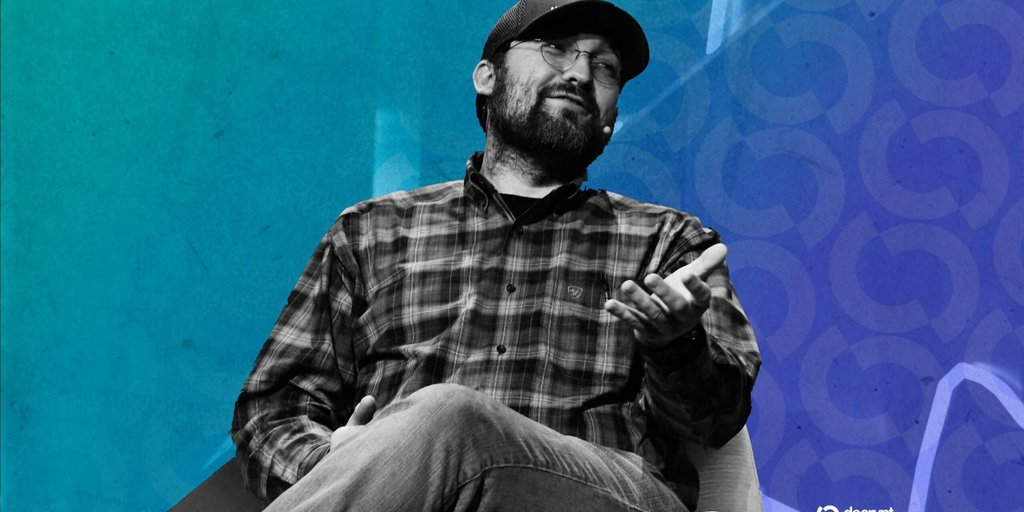
The cryptocurrency market continues its challenging trajectory, and Cardano's native token, ADA, has felt the significant impact, recently reaching a price point not seen in half a decade. This downturn has prompted a serious discussion from Cardano founder Charles Hoskinson, who openly cautioned about a potential "wave of failures" across the ecosystem if the broader market decline persists.
This recent dip places ADA at a critical juncture, reflecting a widespread bearish sentiment affecting many digital assets. Investors are closely watching how major cryptocurrencies perform, with some, like Ethereum, also experiencing significant drops and falling to 14-week lows. The current market environment underscores the volatility inherent in the crypto space, where even established projects can face substantial price corrections.
Market Pressures and ADA's Performance
Cardano's ADA token has now touched a five-year low, a stark indicator of the ongoing market pressures. This decline isn't isolated to Cardano; many altcoins have struggled to maintain their value in recent months. The broader cryptocurrency market has been grappling with factors such as shifting investor sentiment, macroeconomic uncertainties, and a general move away from riskier assets, with even Bitcoin experiencing price dips below key psychological levels.
The consistent downward trend has led to liquidations and reduced investor confidence, particularly in projects that might be perceived as having less immediate utility or adoption. While Cardano boasts a strong developer community and a robust research-driven approach, its market performance has been unable to buck the prevailing trends. The token's value is now significantly lower than its all-time highs, challenging the resolve of long-term holders.
Hoskinson's Warning: A "Wave of Failures"
In a candid assessment, Charles Hoskinson articulated his concerns about the future of various projects within the Cardano ecosystem and the wider crypto industry. He suggested that a prolonged bear market could lead to a "wave of failures," where projects that are poorly managed, underfunded, or lack genuine innovation might not survive. This isn't necessarily a prediction of Cardano's own demise, but rather a realistic outlook on the challenges that many ventures face during extended downturns.
Hoskinson's remarks highlight the importance of sustainable development, strong fundamentals, and prudent financial management for crypto projects. He emphasized that only those with resilient business models and dedicated communities will likely weather the storm. This perspective serves as a call for greater introspection and strategic planning within the decentralized space.
Key Takeaways for the Cardano Community
- ADA has reached its lowest price point in five years, reflecting broader market challenges.
- Charles Hoskinson warns of potential project failures across the ecosystem if market conditions do not improve.
- The current environment demands strong project fundamentals and sustainable business models.
- Community resilience and ongoing development are crucial for navigating the downturn.
Looking ahead, the focus for Cardano will likely remain on its ongoing development efforts, particularly in scaling solutions and decentralized applications. The ability of the Cardano community to continue building and innovating through this difficult period will be critical. While the current market sentiment remains cautious, the long-term vision of the project, as championed by Hoskinson, continues to be centered on creating a robust and decentralized global financial operating system. The resilience of projects like Cardano during these challenging times will ultimately shape the future landscape of the altcoin market, where some whales are already pivoting their strategies in response to volatility.