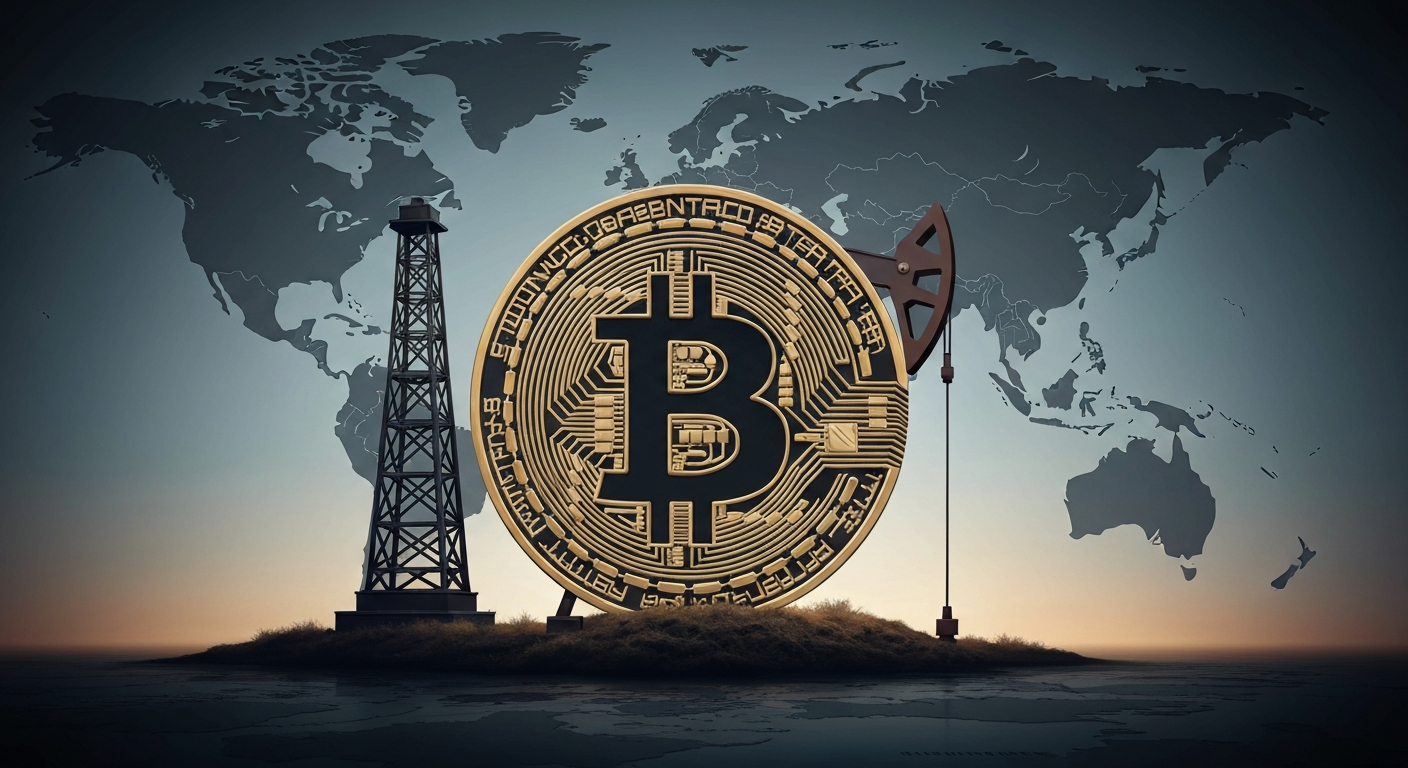
The ongoing inflationary pressures impacting Bitcoin are reportedly intensifying following a renewed conflict in the Middle East which has led to a significant surge in oil prices as of July 8, 2026.
Geopolitical Tensions Fuel Inflation Concerns
The resurgence of hostilities in the Middle East has immediately reverberated through global commodity markets, particularly impacting crude oil. As geopolitical risks escalate, the supply outlook for oil becomes uncertain, driving prices upward. This oil price surge directly contributes to higher energy costs across industries, exacerbating existing inflationary trends. For Bitcoin, which is often viewed as a hedge against inflation, this situation presents a complex dynamic, as its value is also susceptible to broader market sentiment driven by global instability. Similar market reactions were observed during past escalations, such as when Bitcoin faced pressure amid U.S.-Iran escalation and rising oil prices.
Bitcoin's Response to Macroeconomic Headwinds
Historically, Bitcoin has shown varied responses to macroeconomic shifts. While some investors flock to digital assets during periods of high inflation as a store of value, others may de-risk by selling off volatile assets in favor of safer havens. The current environment, marked by both persistent inflation and geopolitical instability, creates a challenging landscape for the cryptocurrency. The elevated oil prices amplify the cost of goods and services, potentially squeezing consumer spending and corporate profits, factors that can negatively influence investor confidence in risk assets like Bitcoin. Past instances of regional conflict have shown how Bitcoin and altcoins can tumble in response to geopolitical shocks.
Why it matters
This development highlights the growing interconnectedness of traditional geopolitical events and the nascent cryptocurrency market. While Bitcoin was once seen as entirely detached, its performance is increasingly influenced by global macroeconomic forces like inflation and energy costs. Investors should closely monitor the trajectory of oil prices and the broader Middle East situation, as continued escalation could further entrench inflationary pressures and introduce additional volatility into the crypto market.
Key Takeaways:
- Renewed Middle East conflict is driving up oil prices.
- This oil price surge is intensifying global inflationary pressures.
- Bitcoin's role as an inflation hedge is being tested amidst these macroeconomic headwinds.
- The market is observing how digital assets respond to sustained geopolitical instability.